
Vietnamese Steamed Rice Cakes Recipe
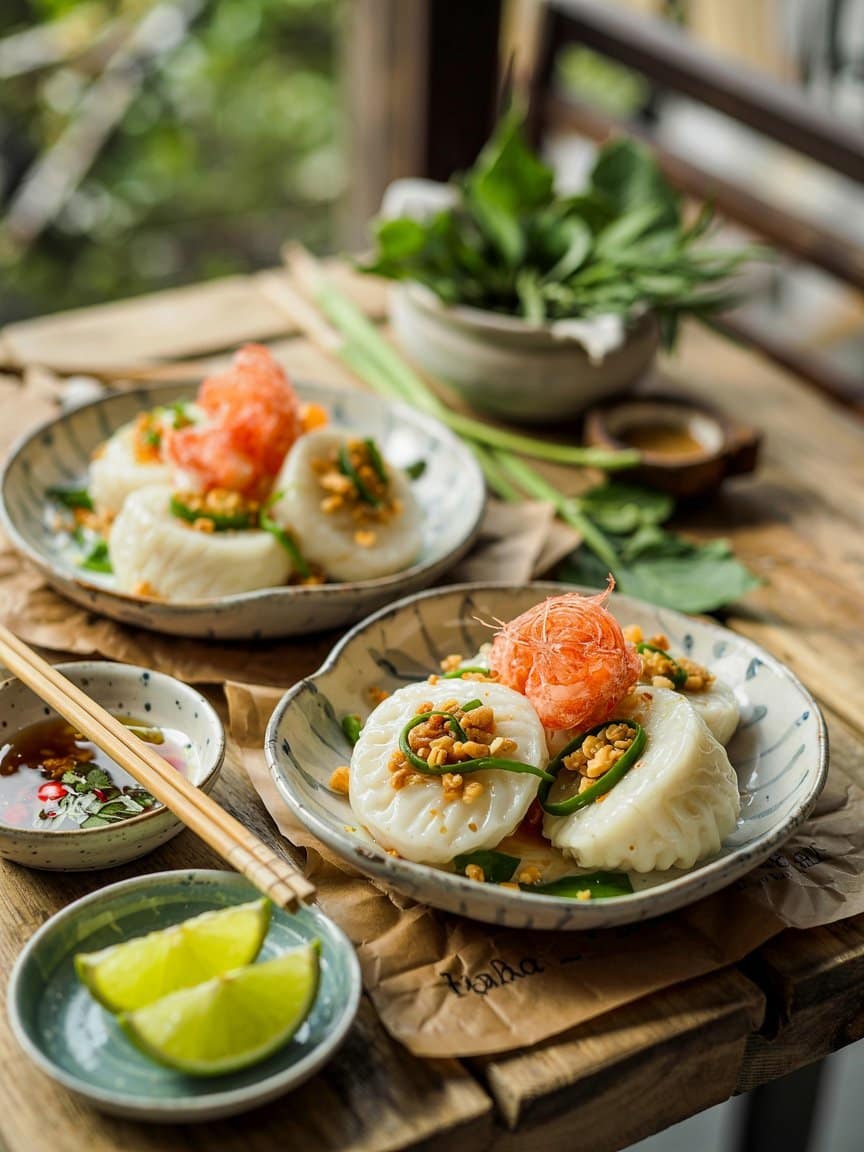
Welcome — you’re about to learn how to make one of the most delicate, comforting, and versatile snacks from Southeast Asian home kitchens. These light, pillowy steamed rice cakes are a staple in many regions: sometimes eaten for breakfast, sometimes as a snack, and often served at gatherings. They showcase the elegance of simple ingredients transformed by technique.
These cakes come from Vietnam’s kitchens and are celebrated for their tender texture, subtle savory-sweet balance, and adaptability. In this post you’ll get a full, practical, chef-tested breakdown: ingredient guidance, step-by-step preparation, troubleshooting tips, tasty variations, and serving and storage suggestions — everything to make your own perfect batch at home.
What are Vietnamese steamed rice cakes?
“Vietnamese steamed rice cakes” is a broad label that covers several regional treats made primarily from rice (usually rice flour, sometimes mixed with tapioca or glutinous rice flour) and steamed in small molds, cups, or on banana leaves. They may be sweet or savory. The version I’m teaching here is inspired by the simple, classic steamed rice cakes often found at street stalls and family tables — soft, slightly chewy, lightly seasoned, and perfect with a bright dipping sauce.
Think of them as the closest cousin to Asian rice puddings and dumplings: deceptively simple, but exquisitely dependent on batter consistency and steaming technique.
Why you’ll love this recipe
- Uses inexpensive, widely available ingredients.
- Fast prep — but technique-forward, so the outcome is impressive.
- Flexible: make them savory (topped with shrimp and scallions), sweet (pandan & coconut), or neutral for versatile serving.
- Great for make-ahead: they reheat beautifully.
- Kid-friendly texture and mild flavor — perfect for picky eaters.
Ingredients — what you need and why
This recipe is written for roughly 24 small cakes (standard muffin tin size / small silicone molds). Scale up or down as needed.
Base batter
- 2 cups rice flour (not glutinous rice flour) — the main structure. Rice flour yields a soft, delicate crumb.
- ½ cup tapioca starch (or tapioca flour) — adds spring and chew; helps the cakes hold shape.
- 1 tsp fine sea salt — balances flavor.
- 1 tbsp sugar — tiny amount to round flavours (optional for savory versions, still recommended).
- 4 cups water — for batter. Warm water helps hydrate flour, cold water can be used if you prefer.
- 1 tbsp vegetable oil — prevents sticking and keeps cakes tender.
Optional enrichments (choose depending on sweet or savory)
- 1 can (14 oz) coconut milk — for a rich, fragrant, slightly sweet version.
- 1–2 tbsp pandan extract or 2–3 fresh pandan leaves (tied) — classic aromatic note in Southeast Asia.
- 1 cup finely chopped cooked shrimp or ground pork (for savory topping).
- 3 scallions, thinly sliced (for savory).
- Fried shallots — for garnish and crunch.
- Fresh cilantro, crushed peanuts, or sesame seeds — as finishing touches.
For the traditional dipping sauce (nuoc cham — for savory cakes)
- ½ cup fish sauce
- ½ cup warm water
- 3 tbsp sugar
- 3 tbsp lime juice or rice vinegar
- 1 clove garlic, minced
- 1 small bird’s eye chili, thinly sliced (optional)
Mix until sugar dissolves. Tastes best balanced: sweet-sour-salty-spicy.
Equipment and prep notes
- Steamer: bamboo steamer, electric steamer, or a large pot with a steamer rack will work. A tight-fitting lid is essential.
- Molds: small metal or silicone muffin cups, shallow ramekins, or traditional small porcelain dishes. Silicone is easiest for unmolding.
- Whisk or blender: for a silky batter.
- Ladle or measuring cup: to portion batter evenly.
- Clean kitchen towel or paper towel: place between lid and steamer to avoid condensation dripping onto cakes.
Pro tip: If using a pot, fill it with 1–2 inches (2.5–5 cm) of water and bring to a steady simmer. Maintain moderate steam — strong enough to cook but not so violent that the batter gets waterlogged.
Step-by-step instructions
Follow these steps for consistent results. Read entirely before starting.
1. Make the batter
- In a mixing bowl, whisk together rice flour, tapioca starch, salt, and sugar until uniform.
- If using pandan leaves, bruise them and briefly simmer in the water or coconut milk to infuse, then remove the leaves. Alternatively, stir in pandan extract later.
- Warm the water or coconut milk (if using) to about body temperature — not boiling. Slowly whisk liquid into the dry mix until you have a smooth, lump-free batter. A blender or immersion blender helps create a silky finish.
- Stir in the oil. Let the batter rest 15–30 minutes. This hydrates the flour and improves texture.
2. Prepare steamer and molds
- Lightly oil your molds or spray with nonstick spray. If using metal or porcelain, a thin coating helps with unmolding.
- Bring your steamer to a consistent simmer (not a rolling boil).
- Line steamer base with parchment, banana leaves, or a damp towel if desired (for aroma and to prevent sticking when direct steaming on leaf).
3. Portion and steam
- Give the batter one quick whisk. Ladle batter into molds, filling ¾ full (they’ll rise slightly).
- If making savory cakes: add a small spoon of topping (shrimp, pork, scallion) on top of each filled mold. Gently press into batter.
- Arrange molds in the steamer, leaving a little space between.
- Cover and steam for 8–12 minutes depending on mold size. The cakes are done when the surface is set (no raw wet batter), slightly translucent, and the edges can be loosened with a knife.
- Remove molds to cool a few minutes. Unmold gently. If cakes stick slightly, run a thin knife around edges before inverting.
4. Serving
- Serve warm with nuoc cham (dipping sauce) for savory versions, or with a drizzle of sweetened coconut milk and toasted sesame for sweet versions.
- Finish with fried shallots and fresh scallions for contrast.
Texture & technique: what to watch for
- Batter consistency: It should be pourable like heavy cream. Too thin = cakes that collapse or become gelatinous; too thick = dense, cakey texture. If batter thickens after resting, whisk in a tablespoon of water at a time.
- Steam control: Rolling boil = uneven cooking and can force water droplets into the cakes. Gentle steady steam = even, glossy top. Keep steam consistent; reduce heat if it starts boiling too hard.
- Lid condensation: Steam accumulates on the lid and can drip onto the cakes, marring the surface. Wrap the lid in a clean kitchen towel (secure the towel so it doesn’t touch the steam) to catch condensation.
- Timing: Small molds (like 2–3 inch) take 8–10 minutes. Larger ramekins may take up to 15–18 minutes. Check visually by ensuring the top is set and not shiny wet.
Flavor variations (inspired ideas)
One of the best things about these rice cakes is how easily they transform.
Classic savory (street-style)
- Base batter + a small spoonful of seasoned shrimp/pork on top.
- Garnish: fried shallots, scallions, cilantro, crushed peanuts.
- Serve with nuoc cham.
Coconut pandan (sweet)
- Replace part or all of the water with coconut milk (substitute up to 2 cups coconut milk + remainder water).
- Add pandan extract or pandan-infused water for aroma.
- Serve with sweetened coconut cream (reduce coconut milk with a touch of sugar and a pinch of salt).
Sesame-coconut (sweet & nutty)
- Sweet batter + a sprinkle of toasted sesame seeds on top before steaming.
- Drizzle with honey or condensed milk to serve.
Savory herb & mushroom (vegetarian)
- Top with sauteed shiitake mushrooms, a splash of tamari, and fresh Thai basil.
- Serve with a soy-lime dipping sauce instead of fish sauce.
Mini sandwich cakes (party-style)
- Make thin, small rounds and sandwich with a sliver of grilled pork or pickled vegetables for a handheld snack.
Recipe variations for dietary needs
- Gluten-free: This recipe is naturally gluten-free (rice & tapioca). Always check labels to ensure no cross-contamination.
- Vegan: Use water and coconut milk instead of any animal products and replace fish sauce in the dipping with soy sauce + lime + sugar.
- Lower fat: Reduce oil to 1 tsp and use water instead of coconut milk; texture will be lighter but less rich.
Serving suggestions & pairings
- Breakfast: Serve warm with a cup of jasmine tea or a strong Vietnamese-style coffee.
- Snack: On-the-go bites for kids or party platters — mini sizes are perfect.
- Appetizer: Present an assorted platter of savory and sweet mini cakes with dipping sauces for variety.
- Side dish: Pair with grilled meats (pork chops, lemongrass chicken) or a fresh herb salad.
Classic pairings:
- Nuoc cham (for savory versions)
- Sweetened coconut cream (for sweet versions)
- Crushed pickled carrots and daikon (for tartness and crunch)
Storage, reheating, and make-ahead tips
- Refrigerator: Store in an airtight container for up to 3 days. Place parchment layers between cakes to prevent sticking.
- Freezer: Freeze arranged in a single layer on a tray until solid, then transfer to an airtight freezer bag for up to 1 month. Thaw overnight in the fridge.
- Reheating: Steam gently for 3–6 minutes until warmed through. Microwaving works in a pinch: sprinkle with a few drops of water, cover loosely, microwave 20–30 seconds depending on portion size — but steaming preserves texture best.
- Make-ahead: You can prepare batter and keep refrigerated (covered) for up to 12 hours. Fresh batter is ideal but short chilling is fine.
Troubleshooting: common problems and fixes
- Cakes are gummy/chewy: Batter was too watery or steamed too long. Check batter thickness and reduce steaming time slightly.
- Cakes collapse after steaming: Might be undercooked in center or removed from heat too quickly. Steam until tops are set and avoid sudden temperature changes.
- Surface has droplets: Condensation from lid dripping — use a towel under the lid.
- Sticking to molds: Use more oil, or line molds with banana leaf or parchment rounds. Silicone molds minimize sticking.
A bit of cultural context (short & tasteful)
These steamed rice cakes embody the “less is more” philosophy in many Southeast Asian kitchens: high-impact texture and fragrance from minimal, humble ingredients. They’re a testament to how rice — in flour, milk, and leaf — is central to so many regional dishes. Enjoy them not only for their flavour, but also for the warm memories they bring of street vendors, family breakfasts, and communal eating.
Chef’s tips and advanced techniques
- Use a blender for silky batter: A quick pulse in a blender eliminates any chance of grainy lumps and helps hydrate starches.
- Infuse aromatics: Gently simmer pandan leaves or a strip of lime peel in the liquid for a subtle fragrant note.
- Two-layer cakes: For a show-stopping look, pour a thin layer of one-flavored batter, steam 2–3 minutes until set, then add a second contrasting layer and steam again.
- Texture play: Add a tablespoon of rice bran oil or sesame oil near the end for a subtle aroma (sparingly).
- Perfect crust: For small savory cakes, scatter a few fried garlic chips on top for immediate crispness and contrast.
Full recipe (consolidated)
Ingredients (makes about 24 mini cakes)
- 2 cups rice flour
- ½ cup tapioca starch
- 1 tsp salt
- 1 tbsp sugar
- 4 cups water (or up to 2 cups coconut milk + water)
- 1 tbsp vegetable oil
- Optional: pandan extract, cooked shrimp, scallions, fried shallots
Method (short)
- Whisk dry ingredients. Warm liquid and combine into a smooth batter. Rest 15–30 minutes.
- Oil molds. Bring steamer to a steady simmer.
- Fill molds ¾ full. Top with optional toppings (shrimp/scallion).
- Steam 8–12 minutes until set.
- Garnish and serve warm with appropriate sauces.
Final thoughts
Making Vietnamese steamed rice cakes is an exercise in patience, precision, and sensory learning. The first time you perfect the batter thickness and steaming rhythm, you’ll be rewarded with soft, translucent cakes that are endlessly adaptable. Whether you serve them sweet with coconut and pandan or savory with shrimp and nuoc cham, these cakes are a celebration of simple ingredients prepared with care.
Vietnamese Steamed Rice Cakes Recipe
Ingredients
For the Rice Cake Batter
- 2 cups rice flour
- ½ cup tapioca starch
- 1 teaspoon salt
- 1 tablespoon sugar optional
- 3½ – 4 cups water
- 1 tablespoon vegetable oil
Savory Shrimp Topping
- 1 cup cooked shrimp finely chopped or shredded
- 1 tablespoon vegetable oil
- 1 teaspoon fish sauce
- ½ teaspoon sugar
- ¼ teaspoon black pepper
Scallion Oil
- 3 scallions finely sliced
- 3 tablespoons hot vegetable oil
- Pinch of salt
Optional Garnishes
- Fried shallots
- Crispy pork cracklings
- Crushed peanuts
Dipping Sauce (Nuoc Cham)
- ½ cup fish sauce
- ½ cup warm water
- 3 tablespoons sugar
- 2 tablespoons lime juice
- 1 garlic clove minced
- 1 small chili finely sliced
- Rice flour and tapioca starch form the base of these cakes giving them their signature soft yet slightly chewy texture.
Instructions
Step 1: Prepare the Batter
- In a large mixing bowl, whisk together the rice flour, tapioca starch, salt, and sugar. Gradually pour in the water while whisking to avoid lumps. Stir in the vegetable oil and mix until smooth.
Step 2: Rest the Batter
- Allow the batter to rest for about 15–20 minutes. This helps the flour hydrate and results in smoother steamed cakes.
Step 3: Prepare the Shrimp Topping
- Heat a small pan over medium heat with 1 tablespoon oil. Add chopped shrimp, fish sauce, sugar, and pepper. Cook for about 3–4 minutes until the shrimp is dry and fragrant. Set aside.
Step 4: Make Scallion Oil
- Place sliced scallions in a small bowl with a pinch of salt. Heat vegetable oil until hot and pour it over the scallions. Stir gently to combine.
Step 5: Prepare the Steamer
- Bring water to a gentle boil in a steamer. Lightly oil small ramekins or silicone molds to prevent sticking.
Step 6: Fill the Molds
- Stir the batter again and pour it into each mold until about ¾ full.
Step 7: Steam the Rice Cakes
- Place the molds in the steamer and steam for about 8–12 minutes, or until the cakes are set and slightly translucent.
Step 8: Add Toppings
- Once cooked, remove the cakes from the steamer. Sprinkle shrimp topping, scallion oil, fried shallots, and other garnishes over each cake.
Step 9: Serve
- Serve the steamed rice cakes warm with the dipping sauce on the side.
Notes
- Tips for Best Results
- Stir the batter before pouring each batch because rice flour tends to settle at the bottom.
- Use silicone molds or lightly oiled ramekins to make unmolding easier.
- Maintain gentle steam rather than a vigorous boil for smooth cake surfaces.
- Storage
- Store leftovers in an airtight container in the refrigerator for up to 3 days.
- Reheat by steaming for 3–5 minutes.
- Variations
- Add coconut milk to the batter for a richer flavour.
- Make a vegetarian version using sauteed mushrooms instead of shrimp.
- Sweet versions can include pandan flavour and coconut cream topping.