
The Pioneer Woman Chili Recipe
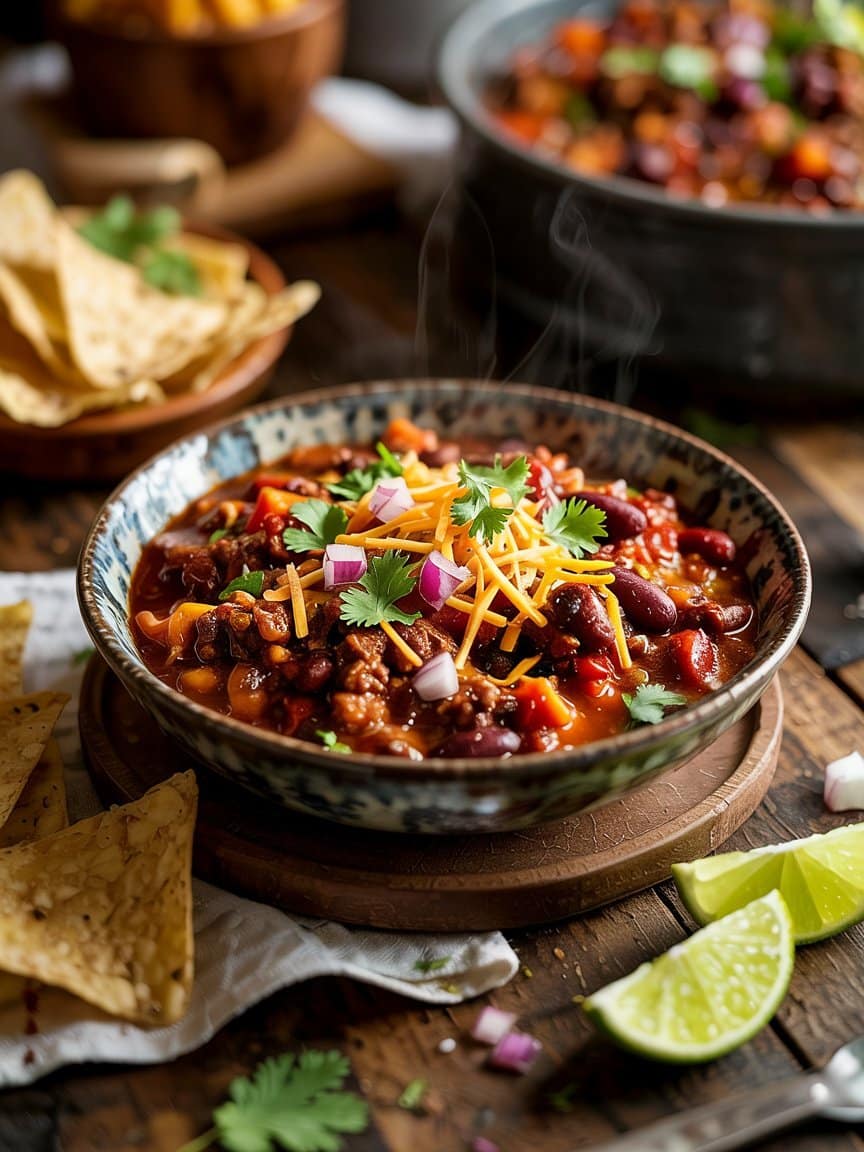
If you love big, comforting bowls of chili that smell like Sunday afternoons and pair just as well with a cozy sweater as they do with a game-day crowd, you’re in the right place. This post takes you deep into everything you need to know about The Pioneer Woman Chili Recipe—how it’s made, why certain techniques matter, smart ingredient swaps, make-ahead tips, serving ideas, troubleshooting, and more. Think of this as a full-course masterclass on making a hearty, crowd-pleasing chili that hits all the right notes: savory, slightly sweet, warmly spiced, and gloriously thick.
I’ll walk you through a balanced version inspired by that homey, family-kitchen style—built for maximum flavor and minimal fuss—so whether you’re a curious beginner or an experienced cook looking for refinements, you’ll find practical, actionable advice here.
Why this chili works (the flavour architecture)
A truly great chili balances five things: savory meatiness, umami depth, aromatic warmth, gentle tang, and body (thickness). The Pioneer Woman Chili Recipe nails this by layering ingredients and using straightforward techniques:
- Browning meat and aromatics for Maillard flavor.
- Toasting spices to release oils and deepen aroma.
- Adding a touch of sweetness (brown sugar or ketchup) to balance the acid from tomatoes.
- Including a mix of beans and tomato bases for body.
- Low, slow simmering to allow flavors to blend and sauce to thicken.
Understanding that structure makes it easy to adapt the recipe—more heat, less salt, vegetarian version—without losing what makes the chili comforting and satisfying.
Ingredients — pantry-friendly and flavor-forward
This ingredient list is written for a 6–8 serving batch. Quantities are flexible; I’ll note where you can scale and swap.
Base ingredients
- 2 tablespoons neutral oil (vegetable, canola, or light olive oil)
- 2 pounds ground beef (80/20 for flavour) — or 1 lb beef + 1 lb ground pork for more complexity
- 1 large yellow onion, finely chopped (about 1 1/2 cups)
- 3 cloves garlic, minced
- 1 green bell pepper, diced (optional but classic)
- 2 (15-ounce) cans diced tomatoes (or 1 can crushed + 1 can diced)
- 1 (8-ounce) can tomato sauce
- 1 cup beef broth (or chicken/vegetable broth)
- 1 (15-ounce) can kidney beans, drained and rinsed
- 1 (15-ounce) can pinto beans, drained and rinsed
Spices & flavor builders
- 2 tablespoons chili powder (blend of ancho/regular chili powder)
- 1 tablespoon ground cumin
- 2 teaspoons smoked paprika (or sweet paprika if you prefer)
- 1 teaspoon dried oregano
- 1 teaspoon kosher salt (adjust to taste)
- 1/2–1 teaspoon freshly ground black pepper
- 1–2 teaspoons brown sugar or 1 tablespoon ketchup (optional — balances acidity)
- 1 tablespoon Worcestershire sauce (umami booster)
- 1 tablespoon apple cider vinegar or a squeeze of lime at the end (for brightness)
Optional heat and accents
- 1–2 chipotle peppers in adobo, chopped (for smoky heat)
- 1 jalapeno, seeded and finely diced (for fresh heat)
- Hot sauce to taste
Garnishes and finishes
- Shredded sharp cheddar or Monterey Jack
- Sour cream or plain yogurt
- Chopped green onions or cilantro
- Tortilla chips or cornbread on the side
- Lime wedges
Equipment you’ll use (and why it matters)
- Heavy-bottomed Dutch oven or large stockpot: ensures even heat and prevents scorching during long simmers.
- Wooden spoon or heatproof spatula: for breaking up meat.
- Chef’s knife and cutting board: prep efficiency.
- Measuring spoons & cups: for consistent spice balance.
- Skimmer or slotted spoon: to remove excess fat if desired.
Step-by-step preparation (chef-tested and clear)
Below you’ll find a stepwise method that emphasizes flavor development at each stage. Don’t rush the browning—this step makes a huge difference.
1. Prep first
Chop onion, bell pepper, and garlic. Drain and rinse beans. Open tomato cans. Measure spices into a small bowl and stir to combine so they’re ready when you need them.
2. Brown the meat
Heat the oil in a Dutch oven over medium-high heat. Add the ground beef in loose chunks—don’t overcrowd the pan. Let it sear for a minute or two, then start breaking it up with your spoon. You want some pieces to caramelise; that browning is flavour gold.
If the pan becomes overloaded with grease, spoon out a few tablespoons to leave behind just enough for flavor (but not swimming in fat).
3. Soften aromatics
Add the chopped onion and diced bell pepper to the meat. Reduce heat to medium. Cook until the onion is soft and translucent, about 5–7 minutes. Add the garlic in the last 60 seconds—garlic burns quickly and becomes bitter if cooked at high heat too long.
4. Toast the spices
Push the meat and aromatics to one side, lower the heat slightly, and add the spice mix. Toast them briefly—about 30–45 seconds—stirring to coat everything. If using chipotle peppers or jalapeno, add them now so they cook into the base.
Toasting helps release essential oils and deepens flavor compared to just adding powdered spices to cold liquid.
5. Deglaze and build the sauce
Pour in the beef broth (or a splash of water) and use your spoon to scrape the browned bits from the bottom of the pan—this is flavour. Add the diced tomatoes, tomato sauce, Worcestershire sauce, and brown sugar (if using). Stir to combine.
Bring the pot to a simmer, then reduce heat to low. Partially cover and let simmer gently for at least 30 minutes; 1–2 hours is better if you have the time. The longer simmer allows the tomatoes to meld with the meat and spices and thickens the sauce.
6. Add beans and finish cooking
About 20–30 minutes before you’re ready to serve, stir in the drained beans. Simmer until beans are heated through and flavours have married. Taste and adjust: more salt, a splash of vinegar for brightness, or hot sauce for heat.
7. Rest and serve
Turn off the heat and let the chili sit 10–15 minutes before serving—this rest lets flavours settle. Serve with chosen garnishes and sides.
Cooking variations — make it yours
One of the best things about chili is how adaptable it is. Here are reliable variations and how to execute them.
Slow Cooker / Crock-Pot
Brown the meat and saute aromatics in a skillet first (don’t skip browning). Transfer to the slow cooker with the rest of ingredients (except beans, which can get mushy if cooked too long). Cook on LOW 6–8 hours or HIGH 3–4 hours. Stir in beans in the last 30–45 minutes.
Instant Pot / Pressure Cooker
Use Saute mode to brown meat and cook aromatics. Add spices, deglaze with broth, then add tomatoes and sauce. Lock lid and cook on HIGH pressure for 12 minutes, then quick release. Stir in beans and simmer a few minutes on Saute to thicken.
Vegetarian / Vegan
Swap meat for 2 cups textured vegetable protein (rehydrated), 2 cups of chopped mushrooms (sauteed until very brown), or double the beans + add lentils. Use vegetable broth and vegan Worcestershire or soy sauce for umami. Add a tablespoon of miso dissolved in a little broth for depth.
Smoky or BBQ-style
Add 2–3 tablespoons of your favourite barbecue sauce near the end and swap smoked paprika for some chipotle powder. You can also stir in a tablespoon of liquid smoke if you want an intense smoked flavour (use sparingly).
White Chili (completely different style)
Use ground turkey or shredded chicken, white beans, green chiles, cumin, and a light broth instead of tomato base. This is a distinct recipe and not a tweak of the tomato-based version.
Tips and chef tricks for exceptional chili
- Browning in batches: If you add too much meat at once, it steams instead of browning. Brown in 2 batches for best caramelization.
- Toast spices dry: Before adding liquid, toasting spices releases more aroma and ramps up flavor.
- Balance is everything: If the chili tastes flat, add a pinch of salt. If it’s too acidic, a tiny bit of sugar tames it. If it’s too sweet, a squeeze of vinegar brightens it.
- Don’t overdo beans: Beans are great, but too many can water down the texture. Keep the balance between meat, beans, and sauce.
- Thickness control: Simmer uncovered to reduce and thicken; add broth if you need to loosen it.
- Make it day-of better: Chili often tastes even better the next day as flavors meld—this is a blessing, not a problem.
- Use quality tomatoes: Good canned tomatoes (San Marzano-style or a high-quality store brand) make a noticeable difference.
- Acid at finish: A splash of vinegar or lime right before serving lifts all the flavors dramatically.
- Cheese technique: Grate cheese fresh—pre-shredded cheese often contains anti-caking agents that affect melt and texture.
Serving suggestions and pairings
Chili is versatile at the table. Here are ideas to make it an event:
- Classic: Bowl of chili with shredded cheddar, sliced green onions, and a dollop of sour cream. Serve with cornbread or buttermilk biscuits.
- Game day: Scoop into a slow cooker to keep warm. Offer shredded cheese, chopped onions, jalapenos, tortilla chips, and mini slider buns for chili sliders.
- Baked potato chili: Spoon chili over baked potatoes and top with scallions and cheddar for a heartier meal.
- Chili mac: Toss hot, cooked macaroni with chili and top with cheese. Bake briefly for a melty finish.
- Taco night: Use chili as a filling for nachos or chili-filled tacos with crisped tortillas and pickled onions.
- Sides that work: Cornbread, simple green salad, pickled vegetables, coleslaw, and roasted corn.
Storage, reheating, and freezing
- Fridge: Store in airtight container for up to 4 days.
- Freeze: Freeze in portioned containers for up to 3 months. Thaw overnight in the fridge before reheating.
- Reheat: Warm gently on the stovetop over medium-low, stirring occasionally. Add a splash of broth if it’s too thick. Microwave in covered bowl, stirring halfway through.
Nutrition notes and portion guidance
Chili is calorically dense due to beef and, frequently, cheese/sides. For a lighter version, use lean ground turkey, reduce added sugar, and serve over roasted vegetables or with a modest portion of cornbread. Beans add fiber and plant protein, making chili fairly balanced when paired with fresh vegetable sides.
Troubleshooting common problems
- Bland flavour: Add salt gradually, a splash of vinegar, or a small spoonful of soy sauce/Worcestershire. Simmer longer to concentrate flavours.
- Too thin: Simmer uncovered to reduce, or stir in a tablespoon of tomato paste or a cornstarch slurry (1 tsp cornstarch + 2 tsp cold water) and simmer a few minutes.
- Too spicy: Add a dollop of sour cream, more beans, some brown sugar, or a little dairy to temper heat.
- Beans too mushy: Add beans late in the cook time or use firmer canned beans (like kidney beans). If cooking dried beans, cook them separately with control.
- Greasy: Chill briefly and skim off fat, or use less fatty meat. You can also blot with paper towels.
Frequently asked questions (FAQ)
Q: Can I omit the beans?
A: Yes. Beanless chili (often called Texas-style) focuses on meat and spices. Adjust thickness with simmering and tomato base.
Q: How long should I simmer chili?
A: Minimum 30 minutes, ideally 1–2 hours for deeper flavour. Slow-cooking for several hours is fine too. Avoid boiling—steady low simmer is best.
Q: Can I make chili without browning the meat?
A: Technically yes, but you’ll lose a layer of flavour. Browning creates complex savory notes; it’s worth the extra step.
Q: Is canned tomato sauce necessary?
A: It adds body and a smooth texture. You can substitute additional crushed tomatoes plus a tablespoon of tomato paste if needed.
A few inspired finishing touches
- Stir in a handful of chopped dark chocolate or a teaspoon of espresso powder for surprising depth—use cautiously; these boost umami and roundness.
- A swirl of heavy cream for richness (works especially well on very spicy chili).
- Top with quick pickled onions (splash of vinegar + sugar + salt, sit 10 minutes) for a bright contrast.
Sample timeline for busy cooks (make-ahead plan)
- Day before: Make chili fully, cool, and refrigerate. Reheat slowly on stovetop; flavors will be even better.
- Same day, rushed: Brown meat and aromatics the night before and keep chilled. Finish sauce and simmer for 30–60 minutes when you have time.
- For parties: Keep in a slow cooker on low for serving. Replenish liquid if it reduces too much.
Final notes — cooking philosophy and encouragement
Chili is one of those joyous recipes that invites personalization, second-helpings, and sharing. The Pioneer Woman Chili Recipe style leans into warmth, approach ability, and family-friendly flavours—exactly what people look for when they want comfort food that’s easy to scale up. Use the guidance above to make it your own: tweak the heat, adjust the meat-to-bean ratio, or swap for a vegetarian base. Each time you make chili, you’ll learn a little more about how the spices, tomato, fat, and acid play together—and that’s the fun.

The Pioneer Woman Chili Recipe
Ingredients
Main Ingredients
- 2 pounds ground beef
- 2 cloves garlic chopped
- 1 8-ounce can tomato sauce
- 1 14-ounce can diced tomatoes (optional for extra texture)
- 2 tablespoons chili powder
- 1 teaspoon ground cumin
- 1 teaspoon dried oregano
- 1 teaspoon salt
- ¼ teaspoon cayenne pepper optional for heat
- 1 cup water or as needed
Thickening Mixture
- ¼ cup masa harina corn flour
- ½ cup water
- Beans
- 1 15-ounce can kidney beans, drained and rinsed
- 1 15-ounce can pinto beans, drained and rinsed
Optional Toppings
- Shredded cheddar cheese
- Chopped onions
- Sour cream
- Tortilla chips
- Lime wedges
- Fresh cilantro
- Masa harina is often added near the end to thicken the chili and provide a subtle corn flavour.
Instructions
Step 1: Brown the Beef
- Place the ground beef in a large Dutch oven or heavy pot over medium heat. Add the chopped garlic and cook the meat until browned, breaking it apart with a spoon as it cooks.
Step 2: Drain Excess Fat
- Once the beef is fully cooked, carefully drain any excess grease from the pot. This keeps the chili rich but not overly greasy.
Step 3: Add the Base Ingredients
- Pour in the tomato sauce and diced tomatoes. Stir in the chili powder, cumin, oregano, salt, and cayenne pepper. Mix well so the spices coat the meat evenly.
Step 4: Simmer the Chili
- Reduce the heat to low and cover the pot. Let the chili simmer for about 1 hour, stirring occasionally. If the chili becomes too thick while simmering, add a little water to maintain the desired consistency.
Step 5: Prepare the Masa Slurry
- In a small bowl, combine the masa harina with ½ cup water. Stir until it forms a smooth mixture.
Step 6: Thicken the Chili
- Pour the masa mixture into the chili and stir thoroughly. This will thicken the chili and add a subtle corn flavor.
Step 7: Add the Beans
- Stir in the kidney beans and pinto beans. Let the chili simmer for another 10–15 minutes so the beans heat through and the flavours combine.
Step 8: Taste and Adjust
- Taste the chili and adjust seasoning if necessary. You can add more salt, chili powder, or cayenne depending on your preferred spice level.
Step 9: Serve
- Ladle the chili into bowls and top with shredded cheese, chopped onions, tortilla chips, or lime wedges.
Notes
- Flavour Tips
- Toast the spices briefly in the pot before adding liquid to deepen the chili flavour.
- A splash of lime juice before serving can brighten the overall taste.
- Storage
- Refrigerate leftover chili in an airtight container for up to 4 days.
- Freeze for up to 3 months in freezer-safe containers.
- Reheating
- Reheat on the stovetop over medium heat or microwave in short intervals, stirring occasionally.
- Variations
- Spicy version: Add diced jalapenos or extra cayenne pepper.
- Slow cooker version: Brown the beef first, then cook all ingredients (except beans) on low for 6–8 hours. Add beans during the last 30 minutes.
- Turkey chili: Substitute ground turkey for a lighter version.
- Meal Prep Tip
- Chili often tastes even better the next day because the spices have more time to develop.