
The Best Tiramisu Recipe
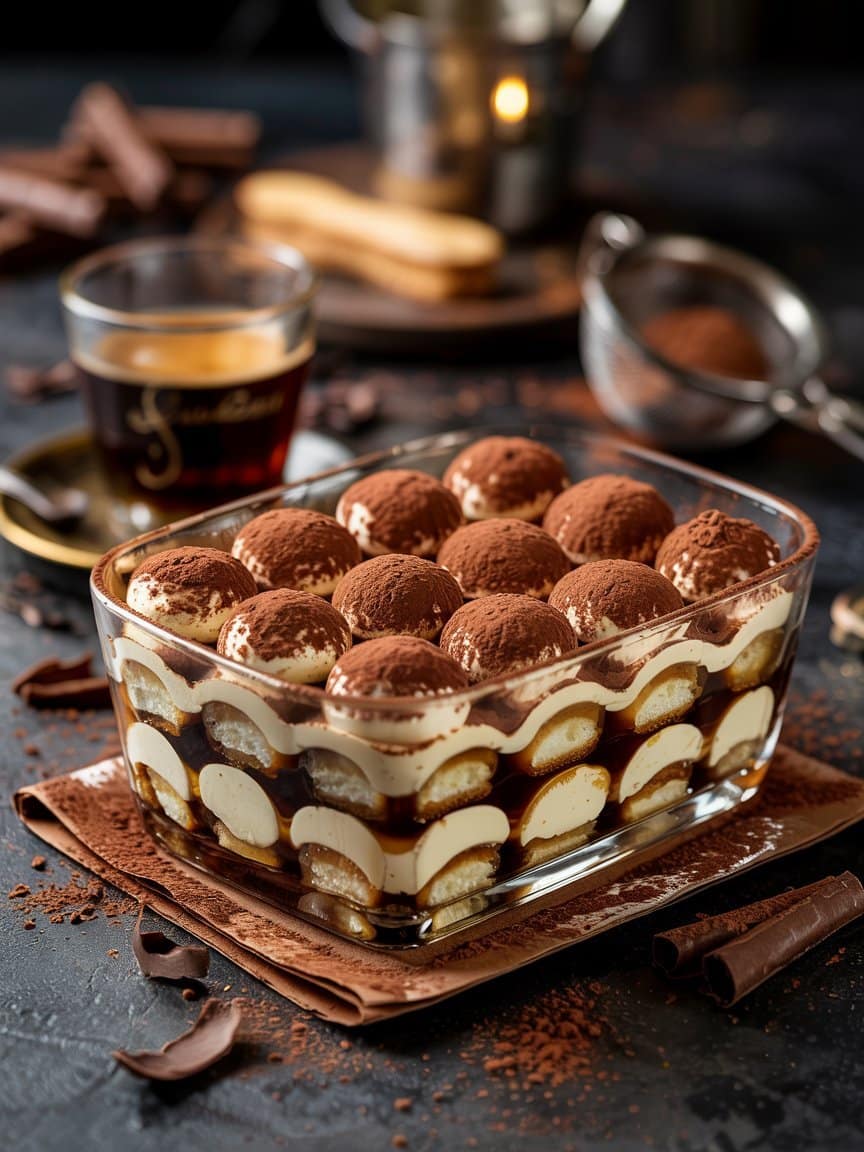
There are few desserts that feel as indulgent and comforting as tiramisu. Silky mascarpone, layers of coffee-soaked ladyfingers, a whisper of liquor, and a dusting of cocoa — simple elements that, when treated with respect, combine into something magical. As a professional chef, I’ve tested dozens of approaches to find a version that balances taste, texture, safety, and reliability. What follows is my full, carefully explained recipe for The Best Tiramisu Recipe, plus technique tips, variations (including egg-free and gluten-free), troubleshooting, and serving ideas. Whether you’re an adventurous home baker or making tiramisu for the first time, this post will walk you through every detail.
Why this is the best tiramisu recipe (short overview)
Tiramisu’s magic comes from contrast: rich, creamy mascarpone against the bright bitter-sweetness of espresso-soaked ladyfingers; lightness from whipped cream or whites versus density from the cheese. The key to a great tiramisu is control of texture — not soggy, not dry — and food-safety when eggs are involved. This recipe prioritizes:
- A safe, cooked zabaglione base (optional) to eliminate the risk from raw egg yolks while preserving traditional flavor.
- A balanced coffee soak so ladyfingers are moist but still structural.
- A smooth, stable mascarpone cream that sets cleanly and is easy to slice.
- Clear, practical chef tips so you can reproduce it every time.
What you’ll need (equipment & tools)
- Medium mixing bowls (at least 2)
- Heatproof bowl that nests over a pot for a bain-marie (if you cook zabaglione)
- Electric hand mixer or stand mixer with whisk attachment
- Fine-mesh sieve (for cocoa)
- Rubber spatula and whisk
- 9×13-inch (or equivalent) baking dish, or for a more elegant presentation, an 8×8-inch dish or individual glasses (see Serving & Plating)
- Kitchen thermometer (optional but recommended if you’re cooking eggs)
- Small shallow dish for coffee soak
- Plastic wrap
Ingredients (serves 8–10)
For the coffee soak
- 2 cups (480 ml) strong espresso or very strong brewed coffee, cooled to room temperature
- 3 tablespoons granulated sugar (optional — dissolves into warm coffee if you make it hot first)
- 3 tablespoons coffee liqueur (Kahlúa) or 2 tablespoons dark rum or 3 tablespoons Marsala — optional (use water or additional espresso if you need alcohol-free)
For the mascarpone cream (chef’s, safe version)
- 6 large egg yolks
- 3/4 cup (150 g) granulated sugar
- 1/3 cup (80 ml) Marsala wine, coffee liqueur, or water (optional — see notes)
- 500 g (about 17.6 oz) mascarpone cheese, chilled (do not over-beat)
- 1 cup (240 ml) heavy cream, chilled
- 1 teaspoon pure vanilla extract
- Pinch of fine salt
For assembly
- About 24–30 ladyfingers (savoiardi) — store-bought or homemade
- Unsweetened cocoa powder, for dusting
- Shaved dark chocolate or chocolate curls (optional)
Notes
- If you prefer a raw-egg traditional method, I’ll include an alternate French meringue/light-whites method in Variations. For safety and consistency, the provided recipe cooks the yolks into a zabaglione-style base.
- Mascarpone can separate if overworked; treat it gently and keep it cold.
- For egg-free or vegan versions, see Variations.
Prep & timing (quick reference)
- Active prep: ~45–60 minutes
- Chill time (minimum): 6–8 hours; best if refrigerated overnight (8–24 hours)
- Total time: ~7–24+ hours depending on chill time
Chilling is not optional — tiramisu needs time in the fridge for the flavours to marry and the cream to set.
Step-by-step recipe: The Best Tiramisu Recipe
1 — Make the coffee and flavour soak
- Brew 2 cups very strong espresso. If using regular coffee, brew double-strength. Let it cool to room temperature.
- Stir in the sugar (if using) while the coffee is warm so it dissolves, then add the liqueur if using. Transfer to a shallow dish so ladyfingers can be dipped quickly.
Chef tip: Very hot coffee will make ladyfingers collapse; lukewarm or room-temperature coffee is ideal for consistent absorption.
2 — Cook the zabaglione (yolk + sugar base — safe method)
This step gently cooks the egg yolks and sugar into a stable, silky custard (zabaglione). It preserves authentic flavour while removing raw-egg risk.
- In a heatproof bowl, whisk together 6 egg yolks and 3/4 cup sugar until smooth and slightly pale. Add the Marsala or chosen liquor (optional) and a pinch of salt.
- Set the bowl over a pot of simmering (not boiling) water — the bowl should not touch the water. Whisk constantly. Cook until the mixture thickens, becomes ribbon-like, and reaches roughly 160°F (71°C) on a kitchen thermometer. This usually takes 6–8 minutes depending on the heat and bowl.
- Remove from heat and keep whisking for another minute to smooth. Let it cool slightly to warm, then proceed.
Chef tip: If you don’t have a thermometer, the zabaglione is ready when it falls in a thick ribbon from the whisk and holds for a second on the surface — but a thermometer is worth it for safety.
3 — Incorporate the mascarpone
- In a separate bowl, gently loosen the chilled mascarpone with a rubber spatula until smooth — don’t overmix.
- Fold the warm (not hot) zabaglione into the mascarpone until fully incorporated and silky. Work gently to avoid making the cheese grainy.
Chef tip: If the zabaglione is too hot, it will make the mascarpone curdle. If it’s too cool, incorporation is harder. Aim for warm, not hot.
4 — Whip the cream and fold to lighten
- Whip 1 cup heavy cream with 1 teaspoon vanilla extract to soft-medium peaks. If you like a sweeter tiramisu, you may add 1–2 tablespoons powdered sugar while whipping.
- Fold about one-third of the whipped cream into the mascarpone mixture to loosen it, then fold in the remainder gently until uniform and airy.
Why this step matters: The whipped cream adds lightness and stabilizes the filling without raw whites. It gives the tiramisu lift while keeping it creamy.
5 — Dip the ladyfingers — fast and even
- Working quickly, dip each ladyfinger into the coffee for about 1–2 seconds per side. You want them moist but not sodden; they should still hold shape.
- Line the bottom of your dish with a single layer of dipped ladyfingers. Trim to fit if necessary.
Chef tip: Don’t let ladyfingers soak in a bowl — dip with fingers or tongs and place immediately. Timing is everything: 1-second dips for crisp store-bought savoiardi, 2 seconds if they’ve been on the shelf a while or are very dry.
6 — Layer and finish
- Spread half of the mascarpone cream over the first layer of ladyfingers, smoothing gently with an offset spatula.
- Add a second layer of dipped ladyfingers, then spread the remaining mascarpone mixture evenly.
- Cover with plastic wrap (press wrap directly to the surface of the cream to avoid skinning) and refrigerate for at least 6–8 hours; overnight is preferable.
7 — Dust and serve
- Just before serving, dust the top with a generous, even layer of unsweetened cocoa powder through a fine-mesh sieve. Add shaved dark chocolate or chocolate curls for a finishing touch, if desired.
- Cut into squares and serve chilled.
Chef tip: Dusting cocoa too early introduces moisture and can create streaks; always dust right before serving.
Detailed technique notes & chef’s secrets
Balancing the soak
The trickiest part of tiramisu is achieving that beautiful balance where the ladyfingers are fully flavoured by coffee but still provide structure. If they’re soggy, the dessert collapses; if too dry, it’s crumbly. Practice your dip time: 1 second for light, crisp store-bought savoiardi; 1.5–2 seconds for drier or homemade ones.
Mascarpone handling
Mascarpone cheese is delicate. It can separate if overmixed or combined with hot ingredients. Keep it cold, and fold rather than beat. If it looks slightly grainy after combining, chilling it will often help it smooth.
Flavor depth
Coffee is the backbone. Use freshly brewed espresso for the cleanest, most intense flavor. Adding a tablespoon or two of coffee liqueur or Marsala lifts the flavor, but a high-quality non-alcoholic coffee syrup works too.
Stabilizing the cream
If you want a firmer set for transport, briefly fold in 1/2 teaspoon of powdered gelatin dissolved in 1 tablespoon of warm water into the whipped cream before folding into mascarpone. Keep it subtle — the goal is stability, not chewiness.
Variations (keep it creative)
Classic raw-egg (French/Italian traditional) — for experienced cooks
- Separate 6 eggs. Beat yolks with sugar until pale, and fold into mascarpone. Whip the whites to soft peaks with a pinch of salt and sugar, then fold into the mascarpone mix. This is lighter but contains raw egg whites — not recommended for young children, elderly, pregnant people, or immunocompromised.
Italian meringue (safer raw-white alternative)
- Make a sugar syrup to soft-ball (240°F / 116°C) and slowly pour into beaten egg whites while whipping to create a stabilized Italian meringue. Fold into mascarpone. This stabilizes the whites and reduces risk, but still uses egg whites.
Egg-free / vegetarian (no eggs, still rich)
- Replace zabaglione with: 1 cup heavy cream whipped to stiff peaks + 2 tbsp powdered sugar + 1 tsp vanilla, fold into 500 g mascarpone. Add a tablespoon of instant espresso powder dissolved in 1 tbsp hot water if you want a coffee-tinted cream. This is safe and still delicious but lacks the classic zabaglione flavour nuance.
Vegan tiramisu
- Use vegan mascarpone substitute (cashew-based cream), coconut cream whipped, and eggless ladyfinger alternatives (or use sponge cake cubes). Replace coffee liqueur with water or a vegan spirit. The texture will differ but can be excellent.
Gluten-free
- Use gluten-free ladyfingers or thin slices of gluten-free sponge cake. Soaking times may vary; adjust.
Boozy / grown-up version
- Increase Marsala or rum to 1/4 cup in the zabaglione for a more pronounced liquor note, but keep in mind alcohol suppresses some sweetness and intensifies warmth.
Troubleshooting — common problems and fixes
- The tiramisu is watery/runny: Most likely the ladyfingers were oversoaked or mascarpone separated. For oversoaking, next time reduce dip time. If mascarpone separated (grainy or runny), chilling might help it come back together; otherwise, gently fold in whipped cream to rescue it and re-chill.
- The cream is too stiff or grainy: Overwhipping mascarpone or mixing in very cold whipped cream that’s not loosened can cause graininess. Let the mixture sit in the fridge 30 minutes; the texture often smooths out.
- It tastes flat / not coffee-forward enough: Either the coffee is too weak, or you used too little soak/liquor. Use stronger espresso next time and ensure the coffee is fresh.
- Ladyfingers fall apart when dipped: Either they are too fresh and fragile, or you’re dipping too long. Use quick one-second dips or buy sturdier savoiardi.
Make-ahead, storage, and freezing
- Make-ahead: Tiramisu improves after resting. Make it the day before serving for best flavor melding. It keeps well in the fridge, covered, for up to 3 days. After 3 days the texture will slowly deteriorate.
- Transport: Keep chilled and covered. If you’re traveling, freeze briefly (1–2 hours) to firm it for transport, then keep on ice.
- Freezing: Tiramisu freezes well for up to 1 month. Wrap tightly in plastic and then foil. Thaw overnight in the refrigerator before dusting with cocoa and serving. Note: texture will change slightly; fresh cream may be less fluffy after thawing.
Serving suggestions & pairings
- Portioning: A 9×13 pan yields about 12 modest slices; an 8×8 pan gives 9 larger pieces. Serve slightly chilled but not ice-cold — tiramisu’s flavor blossoms at refrigerator-cool temperature.
- Garnishes: Cocoa powder, dark chocolate shavings, thin espresso-soaked coffee beans (for decoration), or a light dusting of powdered sugar.
- Beverages: Serve with fresh espresso, a cappuccino, or an elegant sweet wine such as Vin Santo, Marsala, or a tawny port. For a non-alcoholic match, choose a bright cold-brew coffee or a spiced chai.
- Presentation ideas: For dinner parties, make tiramisu in individual stemmed glasses or small ramekins and top with a single chocolate curl. For family-style service, assemble in a rectangular dish and cut neat squares.
Frequently asked questions (quick answers)
Can I use regular cream cheese instead of mascarpone?
You can in a pinch, but mascarpone has a luxurious, milky sweetness and silky fat content that cream cheese can’t fully replicate. If you must substitute, soften full-fat cream cheese and blend with 2–3 tablespoons heavy cream per 250 g cream cheese to mimic texture.
Is tiramisu supposed to be chilled or frozen?
Chilled. Freezing is optional for storage but serve chilled after thawing. Frozen tiramisu has different texture — good for storage, but refrigerated, freshly chilled tiramisu is superior.
How long before serving should I dust with cocoa?
Right before serving. Cocoa absorbs moisture and will streak if added too soon.
Is mascarpone shelf-stable?
No — keep mascarpone refrigerated and use by the date on the package.
Final tips from a chef
- Respect the coffee: use freshly brewed espresso for the best results.
- Keep everything cold except the zabaglione — warmth is the enemy of mascarpone.
- Taste and adjust: a splash more liqueur or a tiny pinch of salt can elevate the flavour.
- Patience wins: the longer (within reason) the tiramisu rests, the more cohesive and flavorful it becomes.
Closing thoughts
Creating The Best Tiramisu Recipe isn’t about reinventing the wheel — it’s about mastering technique and balance. Pay attention to temperature, handle mascarpone gently, and control the coffee soak. With the cooked zabaglione base provided here you get traditional flavour with improved safety and consistency, but I included variations so you can choose the approach that fits your kitchen and audience. Make it for a dinner party, a celebration, or just because you deserve something delicious — this tiramisu is worth the few extra minutes of care.

The Best Tiramisu Recipe
Ingredients
For the Coffee Soak
- 2 cups strong espresso or very strong brewed coffee cooled
- 3 tablespoons granulated sugar optional
- 3 tablespoons coffee liqueur dark rum, or Marsala wine (optional)
For the Mascarpone Cream
- 6 large egg yolks
- ¾ cup granulated sugar
- ⅓ cup Marsala wine or coffee liqueur optional, can substitute water
- 500 g 17.6 oz mascarpone cheese, chilled
- 1 cup heavy cream chilled
- 1 teaspoon vanilla extract
- Pinch of salt
For Assembly
- 24 –30 ladyfingers savoiardi
- Unsweetened cocoa powder for dusting
- Dark chocolate shavings optional
Instructions
Prepare the Coffee Soak
- Brew strong espresso and let it cool to room temperature. Stir in sugar (if using) until dissolved, then add the liqueur. Pour into a shallow bowl and set aside.
Make the Zabaglione (Cooked Egg Base)
- In a heatproof bowl, whisk egg yolks and sugar until smooth and pale. Add Marsala (if using) and salt.
- Place the bowl over a pot of gently simmering water (bain-marie). Whisk constantly for 6–8 minutes until thick, glossy, and warmed through (about 160°F / 71°C). Remove from heat and let cool slightly.
Combine with Mascarpone
- In a separate bowl, gently soften the mascarpone with a spatula. Gradually fold in the warm zabaglione until smooth and creamy.
Whip the Cream
- Whip the heavy cream with vanilla extract to soft–medium peaks. Gently fold the whipped cream into the mascarpone mixture until light and fully combined.
Dip the Ladyfingers
- Quickly dip each ladyfinger into the coffee mixture for 1–2 seconds per side. Do not over soak.
Assemble the Tiramisu
- Arrange a single layer of dipped ladyfingers in the bottom of a serving dish.
- Spread half of the mascarpone cream evenly over the top.
- Repeat with a second layer of ladyfingers and finish with the remaining cream.
Chill
- Cover tightly and refrigerate for at least 6–8 hours, preferably overnight, to allow the tiramisu to set and flavours to develop.
- Finish and Serve
- Just before serving, dust generously with unsweetened cocoa powder and add chocolate shavings if desired. Slice and serve chilled.
Notes
- Make-Ahead: This dessert tastes best when made a day in advance.
- Storage: Store covered in the refrigerator for up to 3 days.
- Freezing: Tiramisu can be frozen for up to 1 month; thaw overnight in the fridge before serving.
- Egg-Free Option: Replace the egg yolk mixture with extra whipped cream and powdered sugar folded into mascarpone.
- Alcohol-Free: Omit the liqueur and use plain espresso or coffee.
- Texture Tip: Do not over mix mascarpone—gentle folding ensures a silky cream.