
Spam Rice Balls Recipe
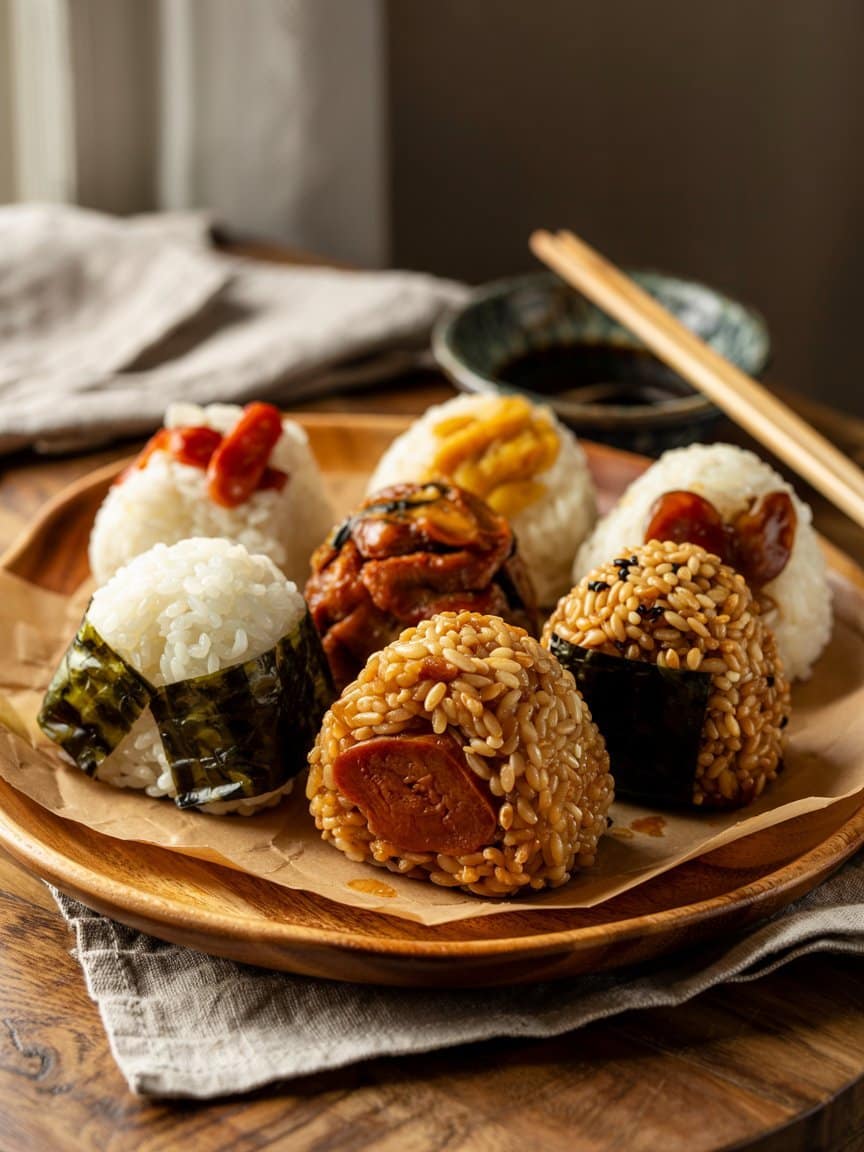
Comfort food meets convenience in this delicious, slightly nostalgic, and endlessly adaptable Spam Rice Balls Recipe. Whether you’re chasing a quick lunch, packing a satisfying bento, or dreaming up a party snack that disappears before you sit down, these rice balls hit the sweet spot between salty, savory, and perfectly portable. Below you’ll find a professional chef’s take: clear technique, careful timing, flavour-boosting tips, and variations so you can make this recipe your own.
What are Spam Rice Balls?
Spam rice balls are a riff on classic rice balls (onigiri) and the beloved Hawaiian snack Spam musubi. They pair tender, slightly sticky sushi rice with caramelised or seasoned slices of canned pork (Spam). The Spam can be used as an external topping, a core filling, or even mixed into the rice. This recipe shows several approaches so you can choose what fits your mood and ingredients.
Quick note: Spam — the canned pork product popular worldwide and made by Hormel Foods — is a pantry hero for this dish because it’s already fully cooked, richly savory, and easy to slice and sear.
Why you’ll love this Spam Rice Balls Recipe
- Fast to assemble: pantry-friendly, great for busy days.
- Flexible: vegetarian-free but adaptable with creative fillings and sauces.
- Portable: perfect for lunches, picnics, or on-the-go breakfasts.
- Deep flavor: browning/caramelizing the Spam transforms the canned meat into something crave-worthy.
Ingredients (makes about 8 medium rice balls)
For the rice
- 2 cups Japanese short-grain rice (uncooked) — yields about 4–4½ cups cooked rice
- 2½ cups water for cooking (adjust to your rice cooker or stovetop method)
- 3 tablespoons rice vinegar
- 1 tablespoon sugar
- 1 teaspoon fine salt
For the Spam and seasoning
- 1 can (12 oz) Spam (or your preferred canned luncheon meat), sliced ¼–½ inch thick — about 8–10 slices
- 2 tablespoons neutral oil (canola, vegetable) or a blend of oil and butter
- 3 tablespoons soy sauce
- 2 tablespoons mirin (or 1 tablespoon sugar + 1 tablespoon sake)
- 1 tablespoon sugar or honey (for extra caramelization, optional)
- 1 teaspoon toasted sesame oil (optional, for finishing)
Fillings & optional add-ins (pick your favorites)
- Pickled plum (umeboshi) — classic onigiri filling
- Furikake (rice seasoning) — sesame + nori flakes are great
- Small strip of nori (seaweed) for wrapping or garnish
- Thinly sliced cucumber, kimchi, or shredded lettuce for crunch
- Sliced green onions, toasted sesame seeds, or chili flakes for garnish
Tools & equipment
- Rice cooker or heavy saucepan with lid
- Wooden rice paddle or spatula
- Bowl of water for wetting hands (add a pinch of salt)
- Plastic wrap (if shaping by hand or using a mold)
- Onigiri mold (optional) for perfectly shaped rice balls
- Nonstick skillet or cast-iron pan
Step-by-step: How to make Spam Rice Balls
1. Cook the rice perfectly
- Rinse the rice 3–4 times until the water runs almost clear. This removes excess starch and prevents gummy rice.
- Let the rice drain for 10–15 minutes after rinsing — it makes a more even texture.
- Cook 2 cups rice with 2½ cups water in a rice cooker or stovetop pot. Follow your usual method (rice cooker: press start; stove: bring to boil, simmer covered 12–15 minutes, then rest 10 minutes off heat).
- While rice cooks, mix the rice vinegar, sugar, and salt in a small bowl until dissolved.
- Transfer cooked rice to a shallow wooden or heatproof bowl (a hangiri is traditional) and gently fold in the vinegar mixture while fanning the rice to cool it quickly and add shine. Use a cutting-and-folding motion — don’t mash.
Chef tip: Slightly warm rice is ideal when shaping (warm but not piping hot). Cold rice won’t bind as well.
2. Prepare and caramelise the Spam
- Remove Spam from the can and slice into ¼–½ inch thick pieces. If you prefer smaller cubes or shredded Spam for mixing, cut accordingly.
- Heat a nonstick skillet over medium-high heat and add oil (or oil + a small knob of butter).
- Place Spam slices in a single layer and sear until golden on both sides — 2–3 minutes per side. This browning adds texture and flavor.
- Lower heat and add soy sauce, mirin, and sugar/honey to pan. Cook, spooning the glaze over the Spam until it thickens and clings to the meat (about 1–2 minutes). Remove and drain briefly on paper towel.
Variation: For a smoky-sweet glaze, add 1 teaspoon gochujang or a dash of liquid smoke to the pan sauce.
3. Shape the rice balls (onigiri technique)
You have two main options: filled or topped rice balls.
A. Topped (musubi-style)
- Wet your hands with salted water (this seasons the rice and prevents sticking).
- Take about ½ cup–¾ cup of rice, form it into a compact ball or triangle by cupping rice with both hands and applying gentle pressure. Aim for a tight shape that holds but isn’t crushed.
- Place a seared Spam slice on top of the rice. Wrap with a strip of nori if desired, or secure with a thin smear of sweet soy glaze.
B. Filled (onigiri-style)
- Wet hands. Take a small amount of rice and flatten into a disc in your palm.
- Place a small piece of Spam or a flavourful filling (kimchi, umeboshi, tuna mayo + Spam) in the center.
- Cover with more rice and shape into a triangle or ball—pressing corners gently to form crisp edges if doing triangles.
- Optionally wrap a single nori strip around the base.
Using molds: Lightly oil the mold (or use plastic wrap), press rice in, add filling, then close and remove. Molds are great for uniform bento presentation.
Chef tip: Keep a small bowl of water nearby to wet your hands between shapes. To avoid overhandling and compressing the rice, form each rice ball in 12–15 seconds.
4. Finish and serve
- Sprinkle with sesame seeds, furikake, or sliced scallion.
- Serve warm or at room temperature. If packing, keep nori separate until ready to eat to prevent sogginess.
Flavour & texture tips from a chef
- Rice texture: Use short-grain Japanese rice for the right stickiness. Medium-grain can work but will be less cohesive. Avoid long-grain rice.
- Salt in water: Wetting your hands with lightly salted water seasons the rice internally without adding clumps on the surface. Use about ¼ teaspoon salt per cup of water in your hand bowl.
- Avoid over-compressing: You want firmness, not a brick. Compress enough to hold shape, then stop — overworked rice becomes dense and loses the pleasant bite.
- Crisp edges: If you love contrast, pan-fry finished rice balls briefly (a minute or two per side) in a nonstick pan with a touch of oil for a golden crust. Keep heat moderate to avoid burning.
- Nori handling: Toast nori quickly over low flame or under broiler for a few seconds to revive crispness if it’s stale. But keep nori separate if you’ll pack the rice balls to maintain crispness.
Delicious variations
- Classic Spam Musubi-style: Rectangle block of rice topped with caramelised Spam slice, wrapped with nori strip. Finish with a brush of teriyaki glaze.
- Kimchi-Spam Rice Balls: Mix chopped kimchi and toasted sesame oil into rice. Use finely diced Spam as the filling. Garnish with sesame seeds.
- Spam & Egg Breakfast Rice Ball: Add a small tamago (Japanese sweet omelet) strip as a layer or filling—breakfast on the go.
- Spicy Gochujang Spam Balls: Glaze seared Spam with gochujang + honey + soy for a sweet-spicy kick. Pair with plain rice and cucumber.
- Cheesy Spam Rice Balls: Place a small cube of cheddar or mozzarella inside for melty surprise—best served warm.
- Herbed Spam Rice: Fold minced cilantro, green onion, and a squeeze of lime into rice for a fresher, lighter profile.
- Vegan twist (not Spam): Substitute savory marinated tofu or tempeh for Spam and follow the same searing and glaze method.
Serving suggestions & pairings
Spam Rice Balls are versatile. Here are some chef-approved combinations:
- Sides: Pickled vegetables (tsukemono), cucumber sunomono, edamame, or a simple green salad.
- Soups: Clear miso soup or a light dashi-based broth pairs beautifully.
- Sauces: Extra soy glaze, Sriracha mayo, or a soy-sesame dipping sauce.
- Drinks: Green tea, iced barley tea (mugicha), or a cold beer for adult gatherings.
- Bento packing: Add fresh fruit, tamagoyaki, and vegetable tempura for a balanced box.
Make-ahead, storage, and reheating
- Short-term: Keep rice balls at room temperature up to 4–6 hours if covered and kept cool — ideal for same-day lunches.
- Refrigeration: Store in an airtight container in the fridge up to 24 hours. Note: refrigeration makes rice harder and nori soggy. Reheat gently in a microwave covered with a damp paper towel to restore softness (30–45 seconds). Re-toast nori or keep it separate.
- Freezing: You can freeze Spam rice balls wrapped tightly in plastic wrap and then foil for up to 1 month. Thaw in the fridge and reheat in the microwave, finishing in a hot pan for texture.
- Best practice: If packing in a bento, pack nori and crunchy items separately and assemble at eating time for maximum texture contrast.
Nutrition & allergy notes
- Spam is high in sodium and fat; moderation is key. Consider using low-sodium soy sauce and draining the Spam on paper towels after searing to remove excess grease.
- For lower-fat options, try reduced-fat Spam (if available) or substitute with grilled chicken, tofu, or canned salmon.
- If you have allergies (soy, sesame, gluten), swap soy sauce for tamari (gluten-free) or coconut aminos and omit sesame. Always check ingredient labels.
Troubleshooting: common questions
Q: My rice balls fall apart.
A: Either the rice is too cold or you didn’t use the right type of rice. Use short-grain rice and shape when slightly warm. Wet hands and press gently but firmly.
Q: Rice is too sticky / gummy.
A: You likely didn’t rinse the rice enough. Rinse until water almost clear. Also, avoid overmixing when adding vinegar — use gentle folding.
Q: Nori became soggy in lunchbox.
A: Pack it separately and wrap rice ball right before eating, or use a band of nori that can be slipped on at mealtime.
Q: Spam tastes bland after cooking.
A: Caramelise it properly and glaze with soy + mirin + sugar. A quick pan sauce or brushing with teriyaki after searing brings huge flavour.
Cultural notes and respect
This recipe walks the line between Japanese onigiri techniques and Hawaiian Spam musubi traditions. Both have deep cultural significance: onigiri is a centuries-old Japanese portable food, while Spam musubi grew from Hawaiian adaptations during and after WWII, becoming a local favourite. When cooking and sharing, it’s lovely to acknowledge these origins and enjoy the cross-cultural creativity that food enables.
Advanced chef techniques (optional)
- Seasoned rice mixing: Stir small amounts of toasted sesame oil and furikake into rice for deeper flavour before shaping.
- Double texture: After shaping rice balls, press a little panko onto the outside and briefly pan-fry for a crunchy crust. Serve with a dipping sauce.
- Glazed rice balls: Brush the rice surface with diluted soy glaze and use a kitchen torch or broiler very briefly for a caramelised finish (watch closely to avoid drying).
Final notes & serving idea menu
If you want a complete meal built around this Spam Rice Balls Recipe, try this menu:
- Starter: Miso soup with wakame and tofu
- Main: Two Spam rice balls (one musubi-style, one filled with kimchi)
- Side: Cucumber sunomono and pickled radish
- Dessert: Fresh pineapple or mango slices
- Drink: Cold green tea
Conclusion
The Spam Rice Balls Recipe is simple, satisfying, and endlessly tweakable. With a little technique — properly cooked rice, caramelised Spam, and gentle shaping — you’ll turn humble pantry ingredients into something memorable. Whether you keep them classic, spice things up, or play with textures, these rice balls are perfect for lunches, picnics, or when you need a quick comfort bite.
Spam Rice Balls Recipe
Ingredients
For the Rice:
- 2 cups cooked Japanese short-grain rice
- 1 tablespoon rice vinegar
- 1 teaspoon sugar
- ½ teaspoon salt
For the Spam:
- 1 can Spam about 12 oz, sliced or diced
- 1 tablespoon oil
- 2 tablespoons soy sauce
- 1 tablespoon sugar
- 1 tablespoon mirin optional
Optional Add-ins & Garnish:
- Furikake seasoning
- Roasted seaweed nori strips
- Sesame seeds
- Green onions chopped
Instructions
Step 1: Prepare the Rice
- Cook the rice according to package instructions.
- While still warm, mix in rice vinegar, sugar, and salt.
- Gently fold the rice without mashing it and let it cool slightly.
Step 2: Cook the Spam
- Slice or dice the Spam into small pieces.
- Heat oil in a pan over medium heat.
- Add Spam and cook until golden and slightly crispy (about 3–5 minutes).
- Pour in soy sauce, sugar, and mirin.
- Stir and cook until the Spam is caramelized and coated in glaze.
Step 3: Shape the Rice Balls
- Wet your hands with water (add a pinch of salt to prevent sticking).
- Take about ½ cup of rice and flatten it slightly.
- Add a spoonful of cooked Spam in the center (if making filled rice balls).
- Cover with more rice and shape into a ball or triangle.
- Press gently to hold shape without over-compressing.
Step 4: Add Finishing Touches
- Wrap with a strip of nori if desired.
- Sprinkle furikake or sesame seeds on top.
- Serve warm or at room temperature.
Notes
- Best Rice Tip: Use short-grain rice for the right sticky texture; long-grain rice won’t hold shape well.
- Handling Rice: Slightly warm rice works best for shaping; very hot rice can fall apart.
- Storage: Store in an airtight container in the fridge for up to 24 hours. Reheat gently before serving.
- Make Ahead: Avoid adding nori until serving to keep it crisp.
- Variations:
- Add cheese inside for a melty center
- Mix kimchi into rice for a spicy twist
- Pan-fry shaped rice balls for a crispy exterior