
Salted Caramel Cake Recipe
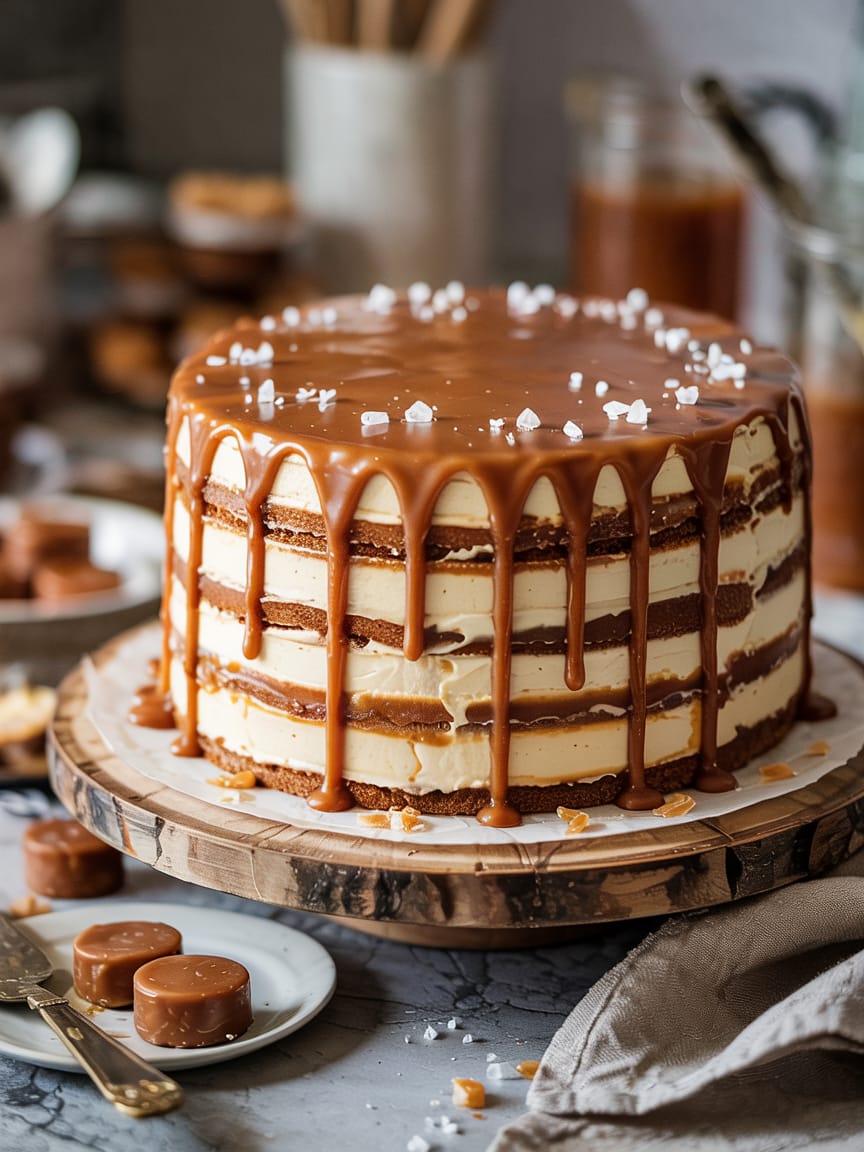
If you love the sweet, buttery pull of caramel cut by a whisper of sea salt, this Salted Caramel Cake Recipe is for you. In this post I’ll walk you through everything — from a foolproof butter cake base to a silky homemade salted caramel sauce and a cloud-like caramel buttercream. You’ll get pro tips on technique, troubleshooting for temperamental caramel, smart variations (chocolate-salted caramel, bourbon caramel, gluten-free and vegan swaps), and plating and serving ideas that make this cake sing on special occasions or Sunday afternoons.
This guide is written in the voice of a professional chef: clear, practical, and friendly. Read straight through, or jump to the sections you need — the recipe, technique tips, variations, or storage and serving suggestions.
Quick Recipe Summary
A tender, buttery layer cake flavored with vanilla and brown sugar, filled and frosted with a homemade salted caramel buttercream and finished with a salted caramel drizzle. Bright finishing salt balances the sweetness, giving the cake a grown-up, addictive flavor.
Yields: 10–14 slices (three 8-inch layers)
Hands-on time: ~1 hour 15 minutes (plus cooling / chilling)
Total time: ~3–4 hours (includes cooling and assembly)
Why this Salted Caramel Cake Recipe works
- Texture balance: A classic butter cake (butter + a little oil or more butter depending on preference) stays tender yet structured enough to hold caramel fillings without collapsing.
- Flavor layering: Homemade caramel provides freshness and depth that store-bought sauces can’t match. Brown sugar in the cake reinforces caramel notes.
- Salted contrast: Finishing sea salt (flaky Maldon or similar) cuts through the sweetness and elevates the flavors.
- Stability: A buttercream-based frosting is stable enough for layered assembly and holds a caramel drip without weeping when handled correctly.
Equipment You’ll Need
- Three 8-inch round cake pans (or two 9-inch pans for a two-layer cake)
- Stand mixer with paddle attachment or electric hand mixer
- Saucepan heavy-bottomed (for caramel)
- Candy thermometer (helpful but optional)
- Rubber spatula and whisk
- Parchment paper and cooking spray/butter for pans
- Cooling racks
- Offset spatula and bench scraper (for frosting)
- Pastry bag and tips (optional, for decorating)
- Instant-read thermometer (optional, for cake doneness)
Ingredients
For the cake (three 8-inch layers)
- 360 g (2 3/4 cups) all-purpose flour
- 10 g (2 tsp) baking powder
- 3 g (1/2 tsp) baking soda
- 6 g (1 tsp) fine sea salt
- 200 g (1 cup) unsalted butter, room temperature
- 100 g (1/2 cup) neutral oil (vegetable, canola, or light olive oil) — optional for extra moistness; you may substitute with more butter but oil improves tenderness
- 400 g (2 cups) granulated sugar
- 120 g (1/2 cup) light brown sugar, packed
- 4 large eggs, room temperature
- 10 ml (2 tsp) vanilla extract
- 360 ml (1 1/2 cups) buttermilk, room temperature (or 360 ml milk + 1½ tbsp lemon juice, let sit 5–10 minutes)
- Optional: 1 tsp espresso powder dissolved in the buttermilk to deepen caramel flavor
For the salted caramel sauce (makes extra — reserve some for serving)
- 300 g (1 1/3 cups) granulated sugar
- 90 g (6 tbsp) unsalted butter, cut into pieces
- 120 ml (1/2 cup) heavy cream, warmed
- 1–1½ tsp flaky sea salt (to taste)
- 1 tsp pure vanilla extract (optional)
For the salted caramel buttercream
- 340 g (1 1/2 cups) unsalted butter, room temperature
- 700 g (5 1/2 – 6 cups) powdered sugar, sifted (adjust sweetness/consistency)
- 120–180 g (1/2–3/4 cup) cooled salted caramel sauce (start with less and add to taste)
- 1–2 tbsp heavy cream (if needed to loosen)
- Pinch of fine sea salt (if your caramel is mild)
Finishing
- Flaky sea salt (Maldon) for garnish
- Chopped toasted pecans or walnuts (optional)
- Extra caramel sauce for drizzling
Prep Work — What to do before you start
- Bring dairy and eggs to room temperature. Room-temp eggs emulsify better and help the batter rise evenly. Buttermilk should be slightly warm to avoid seizing the batter when mixed.
- Preheat oven to 350°F / 175°C. Position racks to allow center of pans to be in the middle of the oven.
- Prepare pans. Grease pans, line bottoms with parchment rounds, and grease the parchment. This ensures clean release.
- Make caramel first. Caramel needs cooling time. Making it early and letting it come to room temperature (or slightly warm) makes it safe to fold into buttercream later.
Step-by-step: Make the Salted Caramel Sauce
Making a smooth, stable caramel is the most technical part but it’s straightforward with attention.
- In a dry heavy-bottomed saucepan over medium heat, add the granulated sugar in an even layer. Do not stir yet.
- Let the sugar begin to melt at the edges. Once edges melt, swirl the pan gently to promote even melting. Use a heatproof spatula only if absolutely necessary. The sugar will clump then melt into an amber liquid. Watch closely — caramel goes from amber to burnt quickly.
- When the sugar reaches a deep amber color (rich but not dark brown), remove from heat. Add the butter in pieces — it will sputter and steam. Stir vigorously until butter is fully melted and incorporated.
- Slowly pour in the warmed heavy cream while whisking. The sauce will bubble up — be careful. Return to low heat and stir to combine.
- If you have a candy thermometer, aim for about 225–235°F (soft-ball to firm-ball range) for a pourable sauce; you can also judge by viscosity.
- Stir in salt and vanilla. Taste and adjust salt — salted caramel should have a clear counterpoint of salt to sweetness.
- Let cool in a heatproof container. For buttercream, use cooled-but-still-pourable caramel. Reserve about 60–120 g of sauce for drizzling and serving.
Caramel troubleshooting: If crystals form on the side, brush down the sides with a wet pastry brush when sugar is melting. If sauce seizes when adding cream, keep stirring and heat gently — it should come back together. If extremely grainy, you can strain and warm slightly; if still grainy, start again (small batches are safer).
Step-by-step: Cake Batter & Baking
- Sift dry ingredients. Whisk together flour, baking powder, baking soda, and salt in a bowl. Set aside.
- Cream butter and sugars. In the stand mixer fitted with the paddle, beat room-temperature butter, oil (if using), granulated sugar and brown sugar on medium speed until light and fluffy, 3–4 minutes. Scrape down bowl.
- Add eggs and vanilla. Add eggs one at a time, mixing well after each addition. Add vanilla. If using espresso in buttermilk, add here diluted.
- Alternate dry and wet. With the mixer on low, add the dry ingredients in three additions, alternating with the buttermilk (dry, wet, dry, wet, dry). Mix only until combined — overmixing develops gluten and toughens the cake. Scrape the bowl and fold by hand if necessary.
- Divide batter into pans. Distribute evenly between prepared pans. Tap the pans gently on the counter to remove large air pockets. Smooth the tops with an offset spatula.
- Bake. Bake at 350°F/175°C. For three 8-inch pans expect ~20–26 minutes; for two 9-inch pans expect ~28–34 minutes. Start checking at the minimum time. Cake is done when the top is golden, springs back when gently pressed, and a toothpick comes out with a few moist crumbs (not raw batter).
- Cool. Let cakes cool in pans 10–15 minutes, then invert onto a cooling rack, remove parchment, and cool completely before assembling. If cakes are domed, level with a serrated knife or cake leveler for even stacking.
Make the Salted Caramel Buttercream
- In the stand mixer with paddle attachment, beat the room-temperature butter on medium until smooth and slightly pale (about 2–3 minutes).
- Reduce speed to low and add sifted powdered sugar in batches. As it incorporates, add 1–2 tablespoons heavy cream to help with texture. Scrape down the bowl.
- Add 120 g (start here) of the cooled caramel, then taste. Add more caramel until you reach a balance of caramel flavor and sweetness — keeping in mind caramel will make the buttercream looser. You can adjust sweetness with more powdered sugar or loosen with cream.
- Add a pinch of fine sea salt if desired. Beat on medium-high for 1–2 minutes for a silky finish. The buttercream should hold peaks but be spreadable. If too loose, chill briefly; if too stiff, add cream or another tablespoon of caramel.
Assembly — Build the Cake
- If layers are domed, level them so surfaces are flat. Place the first layer on a cake board or serving plate.
- Place a dollop (about 1/3 cup) of buttercream and spread an even thin base layer. Spoon a couple tablespoons of salted caramel sauce in the center and spread to within 1/4 inch of the edge (leave a margin so the next layer can adhere). Don’t add too much caramel or the layers will slide.
- Add the second cake layer and repeat. For three layers, repeat the filling process again.
- Do a crumb coat — a thin layer of buttercream all over the cake to lock in crumbs. Chill 20–30 minutes until set.
- Apply a final layer of buttercream smoothly using an offset spatula and bench scraper. If you want a drip, chill the frosted cake until firm.
- Caramel drip: Warm reserved caramel slightly to pourable consistency. Use a spoon or squeeze bottle to add drips around the edge, then pour a small amount on center and spread with a spatula. Chill briefly to set.
- Garnish with flaky sea salt and toasted nuts as desired.
Decoration Ideas
- Keep it rustic: smooth buttercream, caramel drip, scatter of toasted pecans, and flaky sea salt.
- Elegant: piped rosettes or swirls of buttercream on the rim and a central caramel-dipped chocolate shard.
- Textured: brush with edible gold dust on edges, or add chocolate ganache accents.
- Mini-version: make cupcakes using the same batter; fill with caramel and top with caramel buttercream and a sprinkle of salt.
Tips & Techniques from the Chef’s Playbook
- Room temperature matters: Cold butter and eggs make it harder to emulsify — that leads to denser cake. Bring ingredients to room temperature.
- Don’t overmix after adding flour. Mix until just combined. Overworking develops gluten and makes the cake chewy.
- Use light brown sugar for caramel flavor. Brown sugar in the cake adds molasses notes that complement caramel.
- Make caramel ahead but not too far ahead. Caramel can be stored in the fridge up to 2 weeks — warm gently before using. For buttercream, use caramel at room temperature so it doesn’t harden the buttercream.
- Stabilize your buttercream: If you live in a warm climate, chill the assembled cake 10–20 minutes between steps to keep everything stable.
- If your caramel is grainy: Warm gently and whisk; if still grainy, a touch of corn syrup (about 1 tbsp) during the melting step can prevent recrystallization next time.
- Taste as you go. Caramel and buttercream sweetness can vary; add more salt or a touch more vanilla to balance.
Troubleshooting Common Problems
- Cake sinks in the middle: Underbaked, over-mixed, or opening the oven early. Ensure oven temperature is steady and don’t open the door until near the end of the bake time.
- Caramel seized or crystallized: If sugar crystallizes, try adding a little water before reheating next time, or start over small. Use a clean pot and avoid stirring once sugar starts to melt.
- Buttercream too thin: Chill briefly, then re-whip. Add more sifted sugar if needed.
- Buttercream too sweet: Add a pinch of salt or more caramel (if strong) to cut sweetness. Use brown butter (replace some butter with browned butter) next time for nuttier depth.
- Layers slip after stacking: Use a thinner layer of caramel (or gelatin-stabilized caramel for very humid climates) and chill the cake slightly after each stacked layer to set the filling.
Variations & Flavor Twists
- Chocolate Salted Caramel Cake: Add 40–60 g cocoa powder to the dry ingredients and reduce flour by the same weight. Use chocolate buttercream or mix melted dark chocolate into the buttercream for a richer profile.
- Bourbon Salted Caramel: Add 1–2 tbsp bourbon to the caramel at the end (careful with flames) for a warm, boozy note. Great with pecans.
- Apple-Caramel Layer Cake: Fold sautéed cinnamon apples between the layers instead of a plain caramel.
- Brown Butter Caramel Cake: Brown the butter for the cake and replace some of the butter in the buttercream with browned butter for a nutty depth.
- Gluten-free: Use a 1:1 gluten-free flour blend that contains xanthan gum. Measure carefully and don’t overmix.
- Vegan option: Use vegan butter and a flax or chia “egg” substitute; replace buttermilk with plant milk + apple cider vinegar. Use aquafaba-based Swiss meringue-style buttercream with stabilized aquafaba caramel (this is more advanced).
Storage & Make-Ahead
- Assembled cake: Store in the refrigerator covered (but not airtight directly on cake surface) for up to 4–5 days. Bring to room temperature before serving for best flavor (about 1–2 hours, depending on climate).
- Unfrosted layers: Wrap layers tightly in plastic wrap and freeze up to 3 months. Thaw in the refrigerator overnight, then bring to room temp before filling.
- Caramel sauce: Refrigerate in a sealed jar up to 2 weeks; reheat gently in the microwave or on stovetop.
- Buttercream: Keep in the fridge up to 1 week; re-whip briefly before using. Buttercream also freezes well for up to 3 months.
Serving Suggestions & Pairings
- Beverages: Strong brewed coffee, espresso, or a slightly bitter black tea cuts the sweetness perfectly. A caramel liqueur or a glass of tawny port is lovely for adults.
- Sides: Serve with a dollop of lightly whipped cream or a scoop of vanilla bean ice cream for contrast. Fresh berries (blackberries, raspberries) add acidity and color.
- Plating: A thin smear of extra caramel on the plate and a few toasted pecans make the slice look deliberately plated. Finish with a tiny flake of Maldon sea salt on top to highlight the salted-caramel tension.
Nutrition Note
This is an indulgent dessert — rich in butter, sugar, and cream. If you need a lighter version, reduce the buttercream quantity and serve smaller slices, or consider turning the recipe into cupcakes for portion control.
Final Thoughts
This Salted Caramel Cake Recipe brings together classic baking technique and the unbeatable flavor contrast of sweet caramel and flaky sea salt. The two skill areas to master are the cake’s texture (gentle mixing and proper measuring) and the caramel (careful heat control). Once you have those down, variations are endless — add chocolate, nuts, fruit, or a splash of spirits — and you’ll have a show-stopping dessert that’s as homey as it is elegant.
Salted Caramel Cake Recipe
Ingredients
For the Cake:
- 2 ¾ cups 360 g all-purpose flour
- 2 tsp baking powder
- ½ tsp baking soda
- 1 tsp fine sea salt
- 1 cup 200 g unsalted butter, room temperature
- ½ cup 100 g neutral oil (vegetable or canola)
- 2 cups 400 g granulated sugar
- ½ cup 120 g light brown sugar, packed
- 4 large eggs room temperature
- 2 tsp vanilla extract
- 1 ½ cups 360 ml buttermilk, room temperature
For the Salted Caramel Sauce:
- 1 ⅓ cups 300 g granulated sugar
- 6 tbsp 90 g unsalted butter, cubed
- ½ cup 120 ml heavy cream, warmed
- 1 –1½ tsp flaky sea salt
- 1 tsp vanilla extract
For the Salted Caramel Buttercream:
- 1 ½ cups 340 g unsalted butter, room temperature
- 5 ½ –6 cups 700 g powdered sugar, sifted
- ½ –¾ cup 120–180 g cooled salted caramel sauce
- 1 –2 tbsp heavy cream
- Pinch of fine sea salt
For Garnish:
- Flaky sea salt
- Toasted pecans or walnuts optional
- Extra caramel for drizzling
Instructions
Step 1: Make the Salted Caramel Sauce
- Heat sugar in a heavy-bottomed saucepan over medium heat, swirling occasionally until it melts into an amber-colored liquid.
- Add butter carefully (it will bubble). Stir until smooth.
- Slowly whisk in warm cream; let it bubble until smooth and thickened slightly.
- Remove from heat, add salt and vanilla. Cool before using.
Step 2: Bake the Cake Layers
- Preheat oven to 350°F (175°C). Grease and line three 8-inch cake pans.
- Whisk flour, baking powder, baking soda, and salt in a bowl.
- In a mixer, cream butter, oil, and sugars until light and fluffy.
- Beat in eggs one at a time, then add vanilla.
- Alternate adding dry ingredients and buttermilk, beginning and ending with flour. Mix until combined.
- Divide batter evenly into pans and bake 22–26 minutes, or until a toothpick comes out clean.
- Cool for 10 minutes in pans, then transfer to wire racks to cool completely.
Step 3: Make the Buttercream
- Beat butter until creamy (2–3 minutes).
- Gradually add powdered sugar, then cooled caramel sauce and cream.
- Beat until smooth and fluffy. Adjust consistency with more caramel or sugar if needed.
Step 4: Assemble the Cake
- Level cake layers if necessary.
- Spread buttercream and a spoonful of caramel between each layer.
- Apply a crumb coat, chill for 20 minutes, then frost the entire cake.
- Drizzle warm caramel over the top and sprinkle flaky sea salt.
- Garnish with nuts or extra caramel swirls if desired.
Notes
- Storage: Store covered in the refrigerator up to 5 days. Bring to room temperature before serving.
- Make-Ahead: Caramel sauce can be made up to 2 weeks in advance; buttercream can be stored 1 week refrigerated.
- Variations: Add cocoa powder for a chocolate-salted caramel version.
- Splash bourbon into the caramel for a boozy twist.
- Make cupcakes with the same batter and frosting.
- Pro Tip: Use flaky sea salt like Maldon for the best flavor and visual contrast.