
Raw Vegan Lasagne Recipe
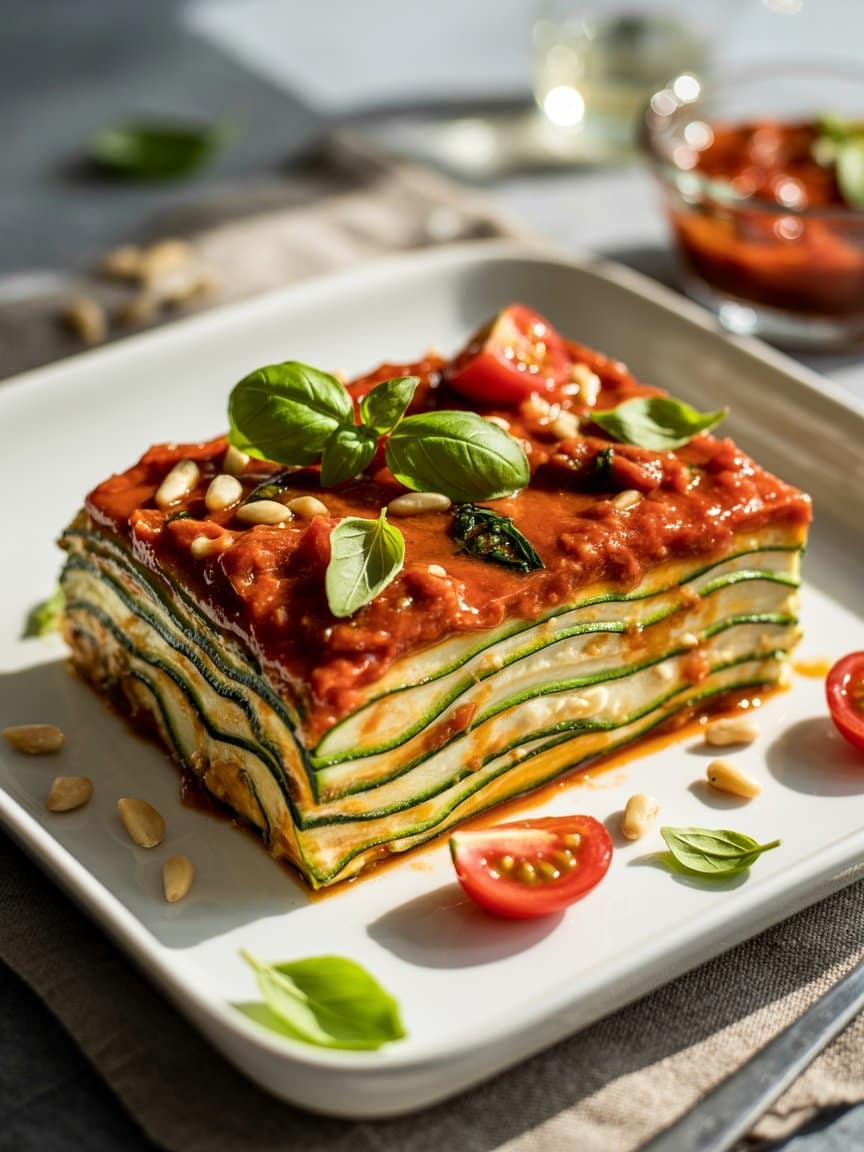
There’s something wildly comforting about lasagne: the layers, the richness, the way each forkful gives you sauce, “cheese,” and pasta in perfect harmony. If you love the classic but prefer plant-forward, uncooked meals—or you’re simply curious about raw cuisine—this Raw Vegan Lasagne Recipe is made to delight. It recreates that layered comfort using fresh, nutrient-dense ingredients without cooking. Expect bright, herb-forward flavors, creamy cashew “ricotta,” a savory raw marinara, and thin, flexible vegetable “noodles” that come together into a stunning, palate-pleasing dish.
Below you’ll find everything you need: detailed ingredient lists, step-by-step preparation, pro tips for texture and layering, make-ahead and storage ideas, variations (nut-free, oil-free, spicy, and more), serving suggestions, and troubleshooting. Whether you’re new to raw food or a seasoned raw vegan, this recipe is approachable, flexible, and crave-worthy.
Why make a Raw Vegan Lasagne?
Raw vegan cooking preserves enzymes, brightens flavours, and emphasizes whole, unprocessed ingredients. This lasagne is lighter than its baked cousin but still rich and satisfying thanks to creamy nut-based layers and concentrated raw tomato flavours. It’s perfect for warm-weather entertaining, potlucks where a chilled dish is welcome, or any time you want a show-stopping vegan main that’s nutrient-packed and visually beautiful.
Overview: what’s in this Raw Vegan Lasagne Recipe
This recipe uses four main components:
- Vegetable “noodles” — thinly sliced zucchini (or peeled eggplant) used in place of pasta.
- Raw marinara — a vibrant sauce of fresh tomatoes, sun-dried tomatoes, herbs, and seasonings.
- Cashew “ricotta” — a creamy, tangy, nut-based cheese alternative made from soaked cashews, lemon, and nutritional yeast.
- Basil pesto (optional) — a raw, bright layer of herbaceous flavor to complement the marinara.
You’ll alternate these layers, finishing with a glossy marinara and a sprinkle of fresh herbs and pine nuts (or toasted seeds for a nut-free version). No baking required — all the magic happens in your blender, food processor, and a steady hand for layering.
Equipment you’ll want
- High-speed blender (for smooth marinara and pesto) and/or food processor (for cashew ricotta)
- Mandoline, vegetable peeler, or sharp knife (for thin zucchini noodles)
- Mixing bowls
- Spatula and offset spatula (for smoothing layers)
- 9×9-inch (or similar) glass dish or any shallow rectangular dish
- Strainer/cheesecloth (optional, for draining excess liquid from tomatoes)
- Dehydrator (optional) — useful if you want firmer zucchini or to dry some components slightly
Time, yield, and difficulty
- Prep time: 1 hour (includes soaking cashews 30–60 minutes; active work about 30–40 minutes)
- Chill time (recommended): 1–3 hours (allows layers to settle; optional but highly recommended)
- Servings: 6–8 generous slices
- Difficulty: Moderate — mostly prep and layering, no cooking skills required
Ingredients
These ingredient amounts make a 9×9-inch lasagne (6–8 servings). Adjust quantities for larger pans.
For the “noodles” (Zucchini sheets)
- 6–8 medium zucchini (about 2½–3 lb / 1.1–1.4 kg), washed
- 1 tsp sea salt (optional, for drawing moisture)
- Fresh lemon juice (optional — a squeeze helps prevent browning)
Substitutes: peeled thin slices of eggplant (not recommended if eggplant is bitter), or thinly sliced sweet potato if you’re open to a slightly cooked texture (not raw).
For the raw marinara
- 6–8 ripe tomatoes (or 4–5 cups cherry tomatoes), roughly chopped
- 1 cup sun-dried tomatoes (unsweetened, soaked in water for 20–30 min if very dry)
- 1 small red bell pepper, seeded and chopped (optional — adds sweetness)
- 2 garlic cloves (or 1 tsp garlic powder for a milder profile)
- ¼ cup extra virgin olive oil or 2–3 tbsp water for oil-free version
- 2 tbsp red wine vinegar or apple cider vinegar
- 1 tsp sea salt (adjust to taste)
- 1 tsp black pepper
- 1–2 tsp dried oregano or 1/3 cup fresh basil leaves
- 1 tbsp fresh lemon juice (brightens flavor)
For the cashew “ricotta”
- 2 cups raw cashews, soaked 30–60 minutes, drained
- 2–3 tbsp fresh lemon juice
- 2–4 tbsp water (start with 2, add to reach desired texture)
- 2 tbsp nutritional yeast (optional — for cheesy umami)
- 1 garlic clove (optional)
- 1 tsp sea salt (adjust)
- 1–2 tbsp fresh basil or parsley, finely chopped
- 1 tsp apple cider vinegar (optional — boosts tang)
Nut-free option: replace cashews with 2 cups soaked sunflower seeds (see variations).
For the basil pesto layer (optional)
- 2 cups packed fresh basil leaves
- 1/3 cup pine nuts (or walnuts; sunflower seeds for nut-free)
- 2 garlic cloves
- ¼ cup olive oil (or 3–4 tbsp water for oil-free)
- 2 tbsp lemon juice
- 1 tsp sea salt
- 2 tbsp nutritional yeast (optional)
Garnish
- Fresh basil leaves
- Pine nuts or toasted seeds
- Cherry tomato halves or thin lemon zest strips
- Freshly cracked black pepper
Preparation — step by step
Follow these steps in order for best texture and assembly.
1. Soak the cashews
Place raw cashews in a bowl and cover with warm water for 30–60 minutes (longer if your cashews are very dry). If you’re short on time, use hot water and soak 15–20 minutes — they’ll soften enough for blending but won’t be as silky. Drain and rinse before blending.
2. Prepare the zucchini “noodles”
Use a mandoline, vegetable peeler, or sharp knife to slice zucchini lengthwise into long, paper-thin sheets (about 1–2 mm thick). Aim for consistent thickness so layers assemble smoothly.
If your zucchini are watery:
- Lightly salt the zucchini sheets and let them sit in a colander for 10–15 minutes to draw out excess moisture, then gently blot dry with paper towels.
- Optional: lay them on a dehydrator sheet and dehydrate at the lowest setting (95–115°F / 35–46°C) for 20–60 minutes to firm them up — this is helpful in humid climates.
Tip: Trim rounded edges to make neat, rectangular sheets for easier layering. If some sheets tear, overlap them when layering.
3. Make the raw marinara
In a high-speed blender, combine chopped fresh tomatoes, soaked sun-dried tomatoes, bell pepper, garlic, olive oil (or water), red wine vinegar, salt, pepper, oregano, and lemon juice. Pulse to a chunky-smooth sauce — you want body, not a total purée. Taste and adjust acidity and salt. If it’s watery, strain briefly through a sieve to remove excess liquid; you want a firm, spreadable marinara.
For a deeper tomato flavor: use some tomatoes that have been blended separately and allowed to sit for 15–30 minutes — resting intensifies the flavors.
4. Make the cashew ricotta
In a food processor, add soaked cashews, lemon juice, water, nutritional yeast, garlic, salt, and apple cider vinegar. Process until smooth and ricotta-like — start with pulses and scrape down sides. The texture should be creamy but spreadable, not soupy. Add chopped basil or parsley and pulse a couple more times to distribute.
Texture tips:
- Too thick: add 1 tsp water at a time.
- Too thin: add a few more cashews or chill the mix for 20–30 minutes to firm up.
5. Make the pesto (optional)
In a blender or small food processor, pulse basil, nuts/seeds, garlic, lemon juice, and nutritional yeast. Stream in olive oil (or water) until you reach a thick, spoonable pesto. Season to taste.
6. Assemble the lasagne
Line your 9×9-inch dish with a thin base layer of marinara (about ¼–⅓ cup) to prevent sticking.
Layering order suggestion (repeat until dish is full):
- Zucchini sheet, trimmed to fit.
- Spread a thin layer (about ½ cup) of cashew ricotta evenly (use an offset spatula).
- Spoon a layer (~½ cup) of raw marinara over the ricotta and smooth.
- Dollop small spoonfuls of basil pesto and spread lightly (optional).
- Repeat: zucchini → ricotta → marinara → pesto, finishing with a generous top layer of marinara.
For a neat finish, press layers gently with an offset spatula so they compact slightly. A final drizzle of marinara and a few artistic swirls of pesto look beautiful.
7. Chill and rest
Cover the lasagne and chill in the fridge for at least 1 hour (2–3 hours is ideal). Chilling helps the layers set, the flavors meld, and the cashew ricotta firm up for clean slices.
8. Slice and serve
Use a sharp knife pre-rinsed in hot water (wipe between cuts) for clean slices. Garnish each slice with fresh basil, pine nuts (or toasted seeds), and a pinch of nutritional yeast if desired.
Tips for success
- Texture control: Cashew-based cheese can be very forgiving, but aim for a spreadable consistency. If too loose, refrigerate to firm up; if too thick, add small amounts of water or lemon juice.
- Drain watery tomatoes: Very juicy tomatoes can make the lasagne soggy. If your tomatoes feel watery, dice them, let them sit in a strainer for 10–20 minutes, then use the firmer parts for the marinara.
- Even zucchini sheets: Uniform thickness makes layering easier and yields cleaner slices. A mandoline or vegetable peeler is your friend.
- Salt carefully: Because this is a cold dish, flavors are less concentrated than when cooked. Taste each component and season slightly more than you would expect, then adjust after chilling.
- Use ripe tomatoes: Flavor is everything here. The better the tomato, the better the dish.
- Make it ahead: Prepare components a day ahead (marinara and ricotta keep well) and assemble the day of serving for best texture.
- Avoid sogginess: If you expect the lasagne to sit for many hours before serving (e.g., at a buffet), keep the zucchini sheets slightly dehydrated or salt-drained to remove excess moisture.
Variations and substitutions
This Raw Vegan Lasagne Recipe is highly adaptable. Here are ideas to tailor it to dietary needs and flavor preferences.
Nut-free raw lasagne
Replace cashews with soaked sunflower seeds (same ratio). Sunflower seeds will yield a slightly earthier flavor; add extra lemon juice and nutritional yeast to brighten it. Swap pine nuts in the pesto for pumpkin seeds or hemp hearts.
Oil-free
Skip olive oil in sauces. Use water, extra lemon juice, or blended sunflower or pumpkin seeds for body. The marinara will be light and bright.
Soy-free and gluten-free
This recipe is naturally soy-free and gluten-free when made without tamari or other sauces. Always check packaged sun-dried tomatoes for additives.
Spicy kick
Add 1 small jalapeño (seeds removed for less heat) to the marinara or a pinch of red pepper flakes to the ricotta for subtle heat.
Mediterranean twist
Add thin slices of raw bell pepper, marinated artichoke hearts (raw-ish if you find fresh), or a layer of thinly sliced heirloom tomatoes between the ricotta and zucchini.
High-protein boost
Add hemp seeds or a handful of cooked (and chilled) chickpeas to the ricotta for texture and protein — note that cooked legumes are not raw.
Make-ahead, storage, and reheating
- Make-ahead: Prepare cashew ricotta and marinara up to 2 days in advance. Keep refrigerated in airtight containers. Slice zucchini sheets and store separately wrapped in paper towels and sealed in a container for up to 24 hours.
- Assembled storage: Store the assembled lasagne in the refrigerator for up to 3–4 days. Expect some moisture to accumulate — drain any excess liquid before slicing.
- Freezing: Raw lasagne can be frozen, but textures change. If you must freeze, wrap tightly and freeze for up to 1 month. Thaw overnight in the fridge and drain excess moisture before serving.
- Reheating: This is served chilled or at room temperature. Do not heat in an oven — it defeats the “raw” concept. If you prefer slightly warm, allow portions to sit at room temperature for 20–30 minutes.
Nutritional notes
This lasagne is rich in healthy fats (from nuts and olive oil, if used), fiber, vitamins, and antioxidants (from fresh tomatoes, basil, and zucchini). Swapping cashews for sunflower seeds creates a nut-free option while maintaining healthy fats. Nutritional yeast adds B vitamins and a savory, cheesy note.
If you’re tracking macros, rough estimates per serving (based on 8 servings and using cashews and olive oil) might be: ~220–350 kcal, 10–18 g fat, 10–15 g carbs, 6–10 g protein — but this varies widely with portion sizes, exact ingredients, and additions like pesto.
Serving suggestions and pairings
- Temperature: Serve chilled or slightly above fridge temp. Let slices sit at room temperature 15–20 minutes before serving for fuller flavor.
- Accompaniments: A crisp green salad (arugula with lemon vinaigrette), marinated olives, or a light cucumber salad pairs beautifully. Add crusty raw-style seed crackers or thin raw flax crackers for crunch.
- Drinks: Pair with a crisp, mineral white wine if not strictly plant-based wine constraints exist; otherwise, sparkling water with lemon, a light herbal iced tea (mint or basil), or a citrus kombucha are refreshing complements.
- Presentation: Garnish with microgreens, edible flowers, toasted seeds, and a swirl of pesto for an elegant, restaurant-style finish.
Troubleshooting — common issues and fixes
- Soggy lasagne: Likely from very juicy tomatoes or un-drained zucchini. Fix: strain marinara, salt-drain zucchini, or briefly dehydrate sheets before assembling. Chill lasagne to help firm up.
- Ricotta too runny: Refrigerate to firm up, or add more cashews/sunflower seeds and process again. Chill and recheck.
- Ricotta grainy: Insufficient blending — pulse longer, add small amounts of water, and scrape the sides frequently. A high-speed blender yields the silkiest texture.
- Flavor bland: Raw dishes can taste under-seasoned. Adjust salt, acid (lemon or vinegar), and herbs. Let sauces rest to develop depth.
- Zucchini tears: Overly thin sheets or weak zucchini. Overlap slightly when layering and trim edges for neatness.
Frequently asked questions
Q: Is this really raw?
A: Yes. All ingredients are uncooked. If you use soaked but not cooked nuts/seeds, they remain raw. Dehydration at low temps (below 118°F / 48°C) is still considered raw by many practitioners.
Q: Can I use store-bought vegan ricotta?
A: You can, but many store-bought vegan cheeses are processed or heat-treated. Making cashew ricotta keeps the dish raw and fresher-tasting.
Q: How do I make this nut-free?
A: Use soaked sunflower seeds (1:1 swap for cashews) for ricotta and pumpkin seeds instead of pine nuts for pesto.
Q: Can I make this gluten-free?
A: The recipe is naturally gluten-free when using zucchini or eggplant sheets.
Final thoughts
This Raw Vegan Lasagne Recipe is proof that raw cuisine can be indulgent, layered, and deeply satisfying. It’s about texture contrast — silky cashew ricotta, bright raw marinara, and delicate zucchini sheets — and layers of fresh herb flavor. Make it for a special occasion, a summer dinner party, or when you want a nourishing, plant-rich centerpiece.
Because it’s so flexible, adapt it to your pantry and palate: spice it up, make it nut-free, or layer in extra veg. The method matters more than exact measurements — once you master the balance of creamy, acidic, and herbaceous, you’ll have a go-to raw lasagne that impresses every time.
Raw Vegan Lasagne Recipe
Ingredients
Zucchini “noodles”
- 6 –8 medium zucchini about 2½–3 lb / 1.1–1.4 kg, washed
- 1 tsp sea salt optional, to draw moisture
- Lemon juice optional, to prevent browning
Raw marinara
- 6 –8 ripe tomatoes or ~4–5 cups cherry tomatoes, chopped
- 1 cup sun-dried tomatoes unsweetened; soak 20–30 minutes if very dry
- 1 small red bell pepper seeded and chopped (optional)
- 2 garlic cloves
- ¼ cup extra-virgin olive oil or 2–3 tbsp water for oil-free
- 2 tbsp red wine vinegar or apple cider vinegar
- 1 tsp sea salt adjust to taste
- 1 tsp black pepper
- 1 tsp dried oregano or ⅓ cup fresh basil leaves
- 1 tbsp fresh lemon juice
Cashew “ricotta”
- 2 cups raw cashews soaked 30–60 minutes and drained
- 2 –3 tbsp fresh lemon juice
- 2 –4 tbsp water start small; adjust for texture
- 2 tbsp nutritional yeast optional
- 1 garlic clove optional
- 1 tsp sea salt adjust
- 1 –2 tbsp fresh basil or parsley finely chopped
- 1 tsp apple cider vinegar optional
Basil pesto (optional)
- 2 cups packed fresh basil leaves
- ⅓ cup pine nuts or walnuts; pumpkin/sunflower seeds for nut-free
- 2 garlic cloves
- ¼ cup olive oil or 3–4 tbsp water for oil-free
- 2 tbsp lemon juice
- 1 tsp sea salt
- 2 tbsp nutritional yeast optional
Garnish
- Fresh basil leaves
- Pine nuts or toasted seeds
- Cherry tomato halves or microgreens
- Freshly cracked black pepper
Instructions
- Soak cashews — Place raw cashews in warm water and soak 30–60 minutes (or 15–20 minutes in hot water if short on time). Drain and rinse before blending.
- Prepare zucchini sheets — Use a mandoline, vegetable peeler, or sharp knife to slice zucchini lengthwise into long, thin sheets (~1–2 mm). Salt lightly and let sit in a colander 10–15 minutes to draw out moisture if zucchini are watery; blot dry.
- Make the raw marinara — In a high-speed blender combine chopped fresh tomatoes, soaked sun-dried tomatoes, red bell pepper, garlic, olive oil (or water), vinegar, salt, pepper, oregano (or basil), and lemon juice. Pulse to a chunky-smooth sauce — avoid over-pureeing. If too watery, strain briefly to achieve a spreadable consistency. Taste and adjust salt/acidity.
- Make the cashew “ricotta” — In a food processor, add soaked cashews, lemon juice, 2 tbsp water, nutritional yeast, garlic, salt, and apple cider vinegar. Process until smooth and spreadable; scrape sides and add water 1 tsp at a time if needed. Stir in chopped basil or parsley. Aim for a creamy ricotta-like texture (not soupy).
- (Optional) Make the pesto — In a small blender/processor, pulse basil, nuts/seeds, garlic, and nutritional yeast. Stream in olive oil (or water) until a thick, spoonable pesto forms. Season to taste.
- Assemble the lasagne — Lightly oil or spread a thin layer of marinara on the bottom of a 9×9-inch (or similar) dish. Layer in this order and repeat:
- 1 zucchini sheet (trimmed to fit)
- Thin, even layer of cashew “ricotta” (~½ cup)
- Layer of raw marinara (~½ cup), smoothed
- Small spoonfuls of pesto, spread lightly (optional)
- Repeat layers until the dish is filled, finishing with a generous top layer of marinara and a few swirls of pesto.
- Compress and chill — Press layers gently with an offset spatula for a compact finish. Cover and refrigerate at least 1 hour (2–3 hours recommended) to let layers set and flavors meld.
- Slice & serve — Use a sharp knife rinsed in hot water (wipe between cuts) for clean slices. Garnish each portion with fresh basil, pine nuts/toasted seeds, cherry tomato halves, and cracked pepper. Serve chilled or slightly above fridge temperature.
Notes
- Texture & drainage: If tomatoes or zucchini are very juicy, strain briefly (tomatoes) and salt-drain zucchini to avoid a soggy lasagne. A short low-temperature dehydrator pass (20–60 min) firms zucchini sheets in humid climates.
- Make-ahead: Marinara and cashew ricotta can be prepared 1–2 days ahead and kept chilled in airtight containers. Slice zucchini sheets and store them wrapped in paper towels for up to 24 hours.
- Storage: Assembled lasagne keeps 3–4 days refrigerated. Drain any accumulated liquid before slicing. Freezing is possible (up to 1 month) but texture will change; thaw overnight in fridge.
- Nut-free swap: Replace cashews with soaked sunflower seeds (1:1) and use pumpkin/sunflower seeds in the pesto. Add extra lemon/nutritional yeast to brighten flavour.
- Oil-free option: Omit olive oil in sauces; use water, blended seeds, or extra lemon for body.
- Flavour boosts: For more depth, let marinara rest 15–30 minutes after blending. Add red pepper flakes for heat or marinated thin peppers for a Mediterranean twist.
- Serving tips: Let slices sit 15–20 minutes at room temperature before serving to reveal flavour. Pair with a crisp salad, olives, or raw crackers for contrast.