
Quick & Healthy Moo Shu Pork Recipe
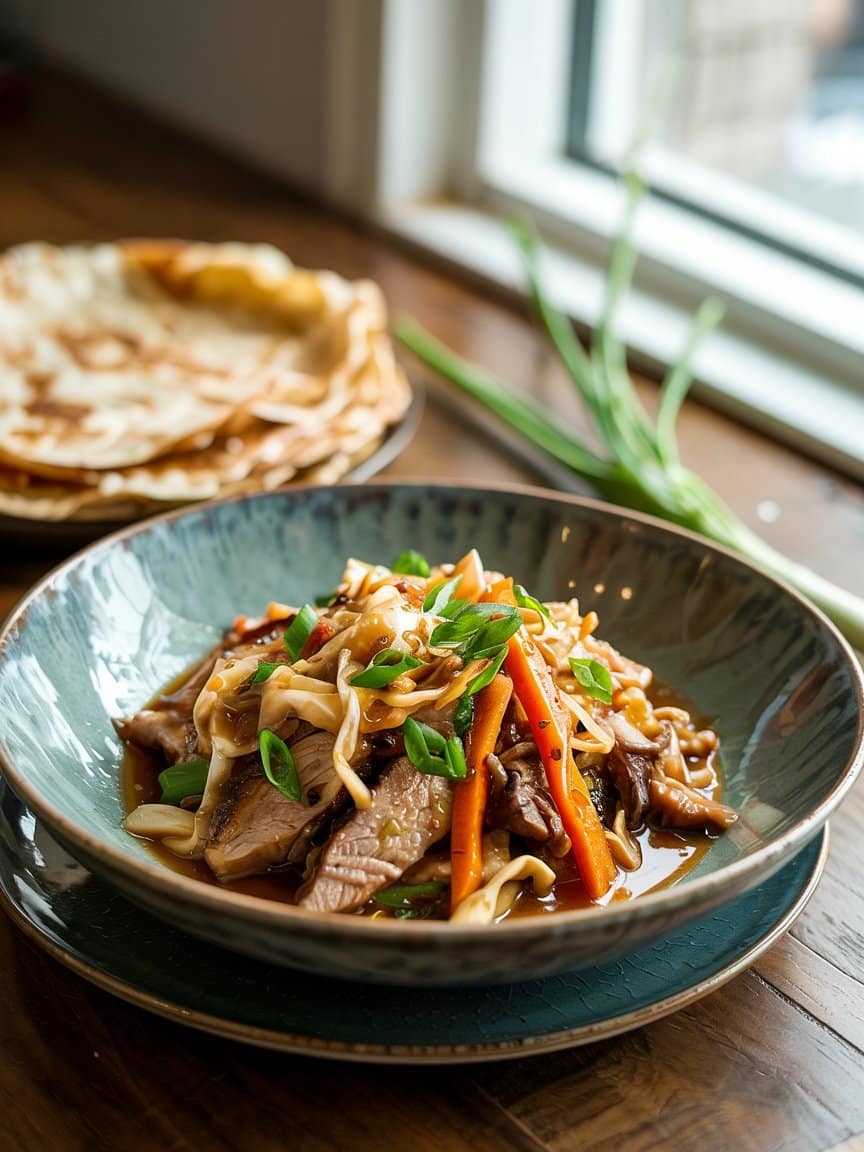
If you love the savory-sweet, aromatic flavours of classic Chinese-American dishes but want something quicker and healthier without losing any of the satisfaction, this Quick & Healthy Moo Shu Pork Recipe is for you. It keeps the essential elements you expect — tender pork, crisp vegetables, a honeyed-sour-savory sauce, and the fun of wrapping — while dialing down oil, salt, and refined carbs. Below you’ll find everything: ingredients with easy swaps, step-by-step preparation, advanced tips from a chef’s perspective, variations for different diets, make-ahead and storage instructions, and serving suggestions that elevate the dish to weeknight favourite (or crowd-pleasing dinner party dish).
Why this Quick & Healthy Moo Shu Pork Recipe works
Moo shu is classically a fast, high-heat stir-fry meant to balance textures and contrasting flavours: meaty, umami-rich protein; bright, crunchy vegetables; and a slightly sweet-savory sauce. The “quick” part comes from cutting ingredients uniformly and cooking on high heat so everything finishes fast — that keeps vegetables crisp and pork juicy. The “healthy” part comes from choosing lean pork, increasing vegetable ratio, cutting sodium in sauces, and offering lighter wrappers or lettuce as alternatives. This recipe preserves authenticity while making smart modern choices.
Ingredients (serves 4)
For the pork and marinade
- 450 g (1 lb) pork tenderloin, thinly sliced against the grain into 2–3 mm (1/8–1/4 in) strips
- 1 tablespoon low-sodium soy sauce (or tamari for gluten-free)
- 1 teaspoon Shaoxing wine or dry sherry (optional but recommended)
- 1 teaspoon cornstarch
- 1 teaspoon sesame oil
- Pinch of white pepper or ground black pepper
For the stir-fry
- 1 tablespoon vegetable oil, divided (or avocado oil; see tips for less oil)
- 3 large eggs, lightly beaten (for the classic Moo Shu egg ribbons)
- 1 medium yellow or red onion, thinly sliced
- 2–3 cloves garlic, finely minced
- 1 tablespoon ginger, finely minced or julienned
- 3 cups shredded napa cabbage or regular green cabbage (about 200–250 g)
- 1 cup shredded carrot (about 100 g)
- 1 cup thinly sliced shiitake mushrooms or button mushrooms (fresh)
- 4 scallions (green onions), sliced into 1-inch pieces
- 1 cup canned bamboo shoots or water chestnuts, drained and sliced (optional but traditional for texture)
For the sauce
- 2 tablespoons low-sodium soy sauce
- 1 1/2 tablespoons hoisin sauce (or 1 tablespoon for lower sugar)
- 1 tablespoon rice vinegar
- 1 teaspoon sugar or honey (optional, for balance)
- 1/2 cup low-sodium chicken or vegetable stock (or water)
- 1 teaspoon cornstarch mixed with 1 tablespoon water (slurry) — optional, for thickening
To serve
- 8–12 Mandarin pancakes, flour tortillas, or whole-wheat wraps (for lighter) OR butter lettuce leaves for low-carb
- Extra sliced scallions or cucumber ribbons for garnish
- Chili oil or sliced fresh chiles on the side (optional)
Equipment & mise en place
- A wok is ideal for high-heat stir-frying; if you don’t have one, use the largest heavy-bottomed skillet you own.
- Sharp chef’s knife and a cutting board. Uniform cuts matter — they ensure even cooking.
- Two bowls (one for pork marinade, one for eggs), a small bowl for sauce, and a spatula or wooden spoon.
- Tongs or chopsticks to toss ingredients quickly.
- Optional: a mandoline for uniform cabbage and carrot ribbons.
Always prep everything (mise en place) before you heat the pan — stir-frying is fast and unforgiving.
Step-by-step: How to make Quick & Healthy Moo Shu Pork Recipe
1. Marinate the pork (10–15 minutes)
Combine the thin pork slices with the soy sauce, Shaoxing wine, cornstarch, sesame oil, and a pinch of pepper. Toss to coat evenly and let sit while you prep vegetables. The cornstarch helps keep the pork tender and creates a velvety mouthfeel when cooked — a classic chef trick (velveting) without the heavy oil.
2. Mix the sauce
Whisk together soy sauce, hoisin, rice vinegar, stock, and sugar/honey (if using). Keep the cornstarch slurry separated for use later if you want a slightly thicker glaze. Taste and adjust: if it’s too salty, add a tiny splash more rice vinegar or a teaspoon of water.
3. Prepare the eggs
Heat 1 teaspoon oil in the wok over medium heat. Pour in the beaten eggs and swirl quickly to create a thin omelet. When set, remove to a cutting board and slice into thin ribbons. These egg ribbons add texture and a classic moo shu touch.
4. High-heat searing of pork (1–2 minutes)
Increase the heat to high. Add 1/2 tablespoon of oil to the hot wok. Add the marinated pork in a single layer, avoid overcrowding. Let it sear for 30–45 seconds, then toss and stir until nearly cooked through — about 1–2 minutes total depending on thickness. Remove pork to a bowl and set aside.
5. Stir-fry aromatics and vegetables (3–4 minutes)
Add the remaining oil. Add onions and mushrooms first; sauté for 30–45 seconds until fragrant. Add garlic and ginger and stir for 10–15 seconds — don’t let them burn. Add carrots and cabbage (and bamboo shoots/water chestnuts if using). Toss on high heat for 1–2 minutes to keep vegetables crisp-tender. Add scallions towards the end to preserve freshness.
6. Finish with pork and sauce (1–2 minutes)
Return the pork and egg ribbons to the wok. Pour the prepared sauce and toss everything together quickly. If you prefer a thicker coating, add the cornstarch slurry now and toss until the sauce thickens, about 20–30 seconds. Remove from heat immediately to prevent overcooking.
7. Serve
Spoon hot moo shu onto pancakes or wraps or present in a large serving bowl with both wraps and lettuce cups on the side. Garnish with extra scallion and a drizzle of sesame oil or chili oil if desired.
Timing overview
- Prep: 15–20 minutes (quick once you have practice)
- Active cooking: 8–10 minutes
- Total: about 25–30 minutes
This is truly a weeknight-friendly recipe: fast, flavourful, and forgiving.
Chef’s tips for maximum flavor and a truly healthy result
- Slice against the grain: For the most tender pork, cut across the muscle fibers. Thin slices cook faster and remain tender.
- Velvet with cornstarch: The small cornstarch touch in the marinade keeps juices locked in and yields a smoother texture without frying.
- Use high heat: A screaming-hot wok creates that quick sear and smoky “wok hei” flavor. Don’t crowd the pan — cook in batches if needed.
- Keep vegetables crisp: Add sturdier veg first (carrot, mushrooms), tender veg later (cabbage, scallions). Toss quickly.
- Low-sodium swaps: Choose low-sodium soy sauce and low-sugar hoisin or reduce hoisin to control sodium and sugar. Use unsalted stock.
- Egg ribbons are optional but traditional: They add protein and texture. If you prefer dairy-free or egg-free, skip or replace with thin tofu strips.
- Finish with acid: A tiny squeeze of lime or a few drops of rice vinegar just before serving brightens the whole dish.
- Right oil: Use oils with high smoke points (avocado, refined peanut, or vegetable oil) for stir-frying; sesame oil is reserved as a finishing oil in small amounts.
Health-focused modifications
- Lower oil: Use a nonstick skillet and reduce oil to 1 teaspoon. You’ll lose some sear but save calories. Alternatively, use an oil sprayer.
- Lower-carb / paleo: Serve in lettuce cups instead of pancakes; replace soy sauce with coconut aminos; omit hoisin.
- Gluten-free: Use tamari or gluten-free soy sauce and check hoisin label (many contain wheat). Use gluten-free pancakes or lettuce wraps.
- Lower sodium: Reduce soy sauce by half and replace the balance with water or low-sodium stock; increase aromatics (ginger/garlic) for flavor.
- Higher veg ratio: Double the cabbage and carrots for more fiber and micronutrients while keeping pork modest for a lean bowl.
- Keto: Omit hoisin and use erythritol or stevia if you want sweetness; serve in lettuce leaves.
Variations — make it your own
Chicken Moo Shu
Swap pork for boneless, skinless chicken breast or thigh (thin-sliced). Marinate similarly and adjust cooking time slightly — chicken cooks quickly and benefits from a short sear.
Tofu or Vegetarian Moo Shu
Press extra-firm tofu, slice into strips, and pan-sear until golden before adding to vegetables. Add umami with a splash of mushroom soy or a teaspoon of miso dissolved in the sauce.
Shrimp Moo Shu
Use shrimp (peeled/deveined) and sauté 1–2 minutes until pink. Shrimp cooks faster — add them near the end to avoid rubberiness.
Spicy Moo Shu
Add a teaspoon of chili-garlic sauce or sambal oelek to the sauce. Finish with sliced fresh chiles or chili oil.
Low-sugar Moo Shu
Use only 1 teaspoon of hoisin (or a reduced-sugar hoisin) and omit sugar/honey. Add more rice vinegar for brightness if needed.
Serving suggestions & presentation
- Traditional style: Serve with Mandarin pancakes or soft flour tortillas warmed briefly in a dry skillet. Place a small pile of moo shu in the center of each pancake, garnish with scallion, roll, and enjoy.
- Low-carb style: Serve in crisp butter lettuce cups with the moo shu piled in the center like tacos.
- Rice bowl: Build bowls with brown rice or jasmine rice, top with moo shu, extra scallions, and a drizzle of chili oil.
- Family style: Present the moo shu in a large bowl, pancakes on the side, and let everyone build their own wraps.
- Garnish ideas: Fresh cilantro, thin cucumber ribbons, toasted sesame seeds, or pickled ginger — each adds a contrast that brightens the plate.
Make-ahead, storage, and reheating
- Marinate ahead: You can marinate pork up to 24 hours in the refrigerator for deeper flavor.
- Prep veg in advance: Shred cabbage and carrots and store separately in airtight containers up to 48 hours.
- Cooked storage: Leftover moo shu pork keeps for 3–4 days in the refrigerator in an airtight container.
- Reheat: Reheat briefly in a hot skillet to refresh textures. Add a small splash of water or stock if it seems dry. Microwaving works but softens the veg; use short bursts and stir in between.
- Freezing: Cooked moo shu doesn’t freeze beautifully because of the cabbage’s high water content; it’s better to freeze raw marinated pork or tofu and the sauce separately for quick weekday meals.
Troubleshooting — common pitfalls and fixes
- Soggy vegetables: This happens when the pan is overcrowded or vegetables are cooked too long. Fix: cook in two batches, keep heat high, and add vegetables that need less time later.
- Tough pork: Overcooking or slicing with the grain makes pork chewy. Fix: slice against the grain and remove pork from heat when just cooked; it will carryover cook a bit.
- Watery sauce: Either reduce the stock or thicken with cornstarch slurry added off the heat and stirred until glossy.
- Bland flavor: Add a splash of rice vinegar or a pinch more salt/soy sauce; acidity layered with umami (hoisin/soy) balances everything. Fresh ginger/garlic boosts flavor without salt.
- Burnt garlic/ginger: Add garlic later and stir constantly — the wok is hot and they burn quickly. Cook onions and mushrooms first.
Nutritional notes (approximate)
A serving of this Quick & Healthy Moo Shu Pork Recipe (with modest pancakes) is rich in protein, fiber (from cabbage and carrots), and micronutrients (vitamin C, beta-carotene). By choosing low-sodium soy and limiting hoisin, this version reduces added sodium and sugar compared to restaurant versions. Exact calories depend on portions and serving choices (pancakes vs. lettuce cups). For a lighter meal, use lettuce cups and limit oil.
Flavor science — why the ingredients work together
- Ginger & garlic provide fresh, aromatic top notes that counterbalance the savory backbone of soy and pork. They also stimulate salivation and appetite.
- Hoisin contributes a sweet-savory glaze and a sense of umami; it’s concentrated, so a little goes a long way.
- Vinegar (rice vinegar) adds acidity that “lifts” the palate and balances the sweetness.
- Cornstarch does two jobs: it protects the proteins during high-heat searing (velveting) and helps create a glossy sauce that clings to ingredients.
- Egg ribbons add a soft texture and mild richness that contrasts with the crisp vegetables.
Final notes from the (imagined) chef
This Quick & Healthy Moo Shu Pork Recipe is one of those reliably satisfying meals that’s adaptable to your pantry and your diet. The technique — high heat, fast toss, and simple balanced sauce — is more important than a strict ingredient list. Once you get comfortable with the rhythm of stir-frying, you can swap proteins, double down on vegetables, or tweak the sauce to suit your taste.
If you try this recipe, consider sharing your tweaks: did you make it spicier? Did you swap pork for tofu and love it? Small adjustments are how recipes become personal favorites. Enjoy the crunch, the warmth, and the interactive pleasure of wrapping each bite — this is quick cooking that keeps the joy at the center.
Quick & Healthy Moo Shu Pork Recipe
Ingredients
For the Pork Marinade
- 1 lb 450 g pork tenderloin, thinly sliced against the grain
- 1 tablespoon low-sodium soy sauce or tamari
- 1 teaspoon sesame oil
- 1 teaspoon Shaoxing wine or dry sherry optional
- 1 teaspoon cornstarch
- Pinch of black or white pepper
For the Stir-Fry
- 1 tablespoon vegetable or avocado oil divided
- 3 large eggs lightly beaten
- 1 medium onion thinly sliced
- 2 –3 cloves garlic minced
- 1 tablespoon fresh ginger minced
- 3 cups shredded napa or green cabbage
- 1 cup shredded carrots
- 1 cup sliced mushrooms shiitake or button
- 4 green onions cut into 1-inch pieces
- 1 cup bamboo shoots or water chestnuts optional
For the Sauce
- 2 tablespoons low-sodium soy sauce
- 1½ tablespoons hoisin sauce
- 1 tablespoon rice vinegar
- ½ cup low-sodium chicken or vegetable broth
- 1 teaspoon honey or sugar optional
- 1 teaspoon cornstarch mixed with 1 tablespoon water optional, for thickening
For Serving
- Mandarin pancakes flour tortillas, or lettuce leaves
Instructions
Marinate the Pork
- In a bowl, combine sliced pork with soy sauce, sesame oil, Shaoxing wine, cornstarch, and pepper. Toss well and set aside for 10–15 minutes.
Prepare the Sauce
- In a small bowl, whisk together soy sauce, hoisin sauce, rice vinegar, broth, and honey (if using). Set aside. Keep cornstarch slurry separate if using.
Cook the Eggs
- Heat 1 teaspoon oil in a wok or large skillet over medium heat. Pour in beaten eggs, swirl to form a thin omelet, cook until just set, then remove and slice into thin strips.
Sear the Pork
- Increase heat to high. Add ½ tablespoon oil and stir-fry pork in a single layer for 1–2 minutes until just cooked. Remove and set aside.
Cook Vegetables
- Add remaining oil to the pan. Stir-fry onions and mushrooms for 30–45 seconds. Add garlic and ginger, cook briefly, then add cabbage, carrots, and optional bamboo shoots. Toss on high heat for 1–2 minutes until crisp-tender.
Combine & Finish
- Return pork and egg strips to the wok. Pour in sauce and toss quickly. Add cornstarch slurry if a thicker sauce is desired. Cook 20–30 seconds, then remove from heat.
Serve
- Spoon into warm pancakes or lettuce cups and serve immediately.
Notes
- Health Tip: Use lettuce wraps instead of pancakes for a low-carb version.
- Protein Swap: Pork can be replaced with chicken breast, shrimp, or tofu.
- Storage: Store leftovers in an airtight container in the refrigerator for up to 3–4 days.
- Reheating: Reheat quickly in a hot skillet with a splash of water or broth.
- Flavour Boost: Finish with a few drops of sesame oil or chili oil before serving.