
Printable Shrimp Tempura Roll Recipe
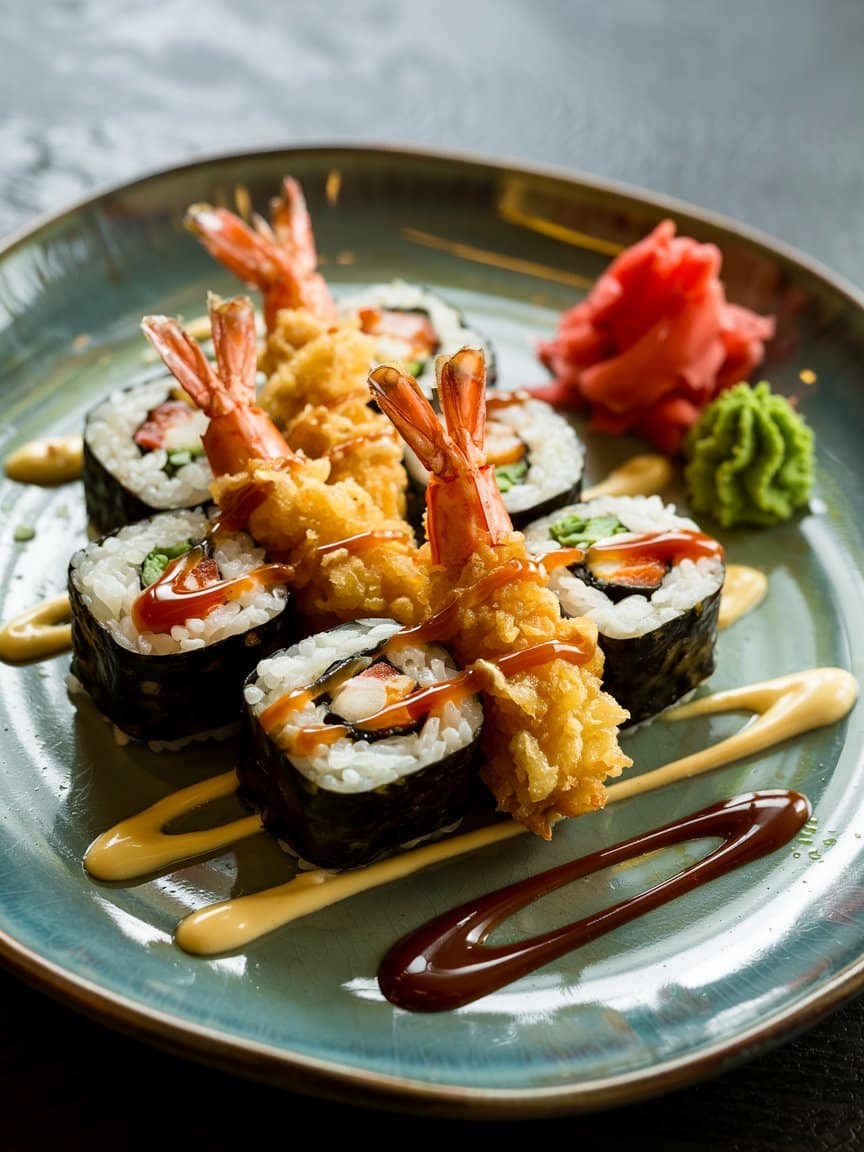
If you’re craving the crunchy, comforting contrast of shrimp tempura wrapped in sushi rice and nori — with a silky drizzle of sauce and a pop of texture — this Printable Shrimp Tempura Roll Recipe is for you. In this long, chef-tested guide I’ll walk you through everything: ingredients, kitchen tools, step-by-step techniques for perfect tempura and sticky sushi rice, clever tips to prevent soggy rolls, make-ahead tricks, variations for different diets, and serving suggestions that turn a humble roll into a restaurant-style experience at home. Whether you’re a sushi beginner or an experienced home chef, you’ll come away confident and ready to roll.
Why this recipe works (and what makes a great shrimp tempura roll)
A great shrimp tempura roll balances three key textures and flavours: the light, airy crunch of the tempura batter; the slightly sweet, tangy sushi rice; and the savoury umami of nori and sauces. Technique is everything: the batter should be cold and mixed very gently to stay lumpy and light; oil temperature must be steady; rice must be seasoned and slightly sticky but not gluey; and assembly needs a light touch so the crispness stays intact.
This Printable Shrimp Tempura Roll Recipe uses straightforward ingredients, simple techniques, and practical tips to produce consistent results — even if you’re home frying for the first time. I’ll also include a printer-friendly recipe card near the end so you can print a quick reference to use in the kitchen.
Yield, timing, and difficulty
- Yield: 4–6 rolls (about 8–12 pieces per roll depending on size) — serves 4–6 people as part of a sushi spread or 2–3 as a main course.
- Hands-on time: ~60–75 minutes (includes rice time and frying).
- Total time: ~1 hour 30 minutes (rice cooling, prep).
- Difficulty: Moderate — requires frying and rolling, but both are very learnable with the instructions below.
Ingredients
For the sushi rice
- 2 cups Japanese short-grain sushi rice (uncooked)
- 2 1/2 cups water (for cooking rice) — follow package ratio if different
- 1/3 cup rice vinegar
- 3 tbsp granulated sugar
- 1 tsp fine sea salt
For the shrimp tempura
- 12 large shrimp (16/20 count preferred) — peeled and deveined, tails left on or off per preference
- 1 cup all-purpose flour (or tempura flour if available)
- 1/2 cup cornstarch or potato starch
- 1 tsp baking powder (optional — creates extra lift)
- 1 large egg
- 1 cup ice-cold sparkling water (or very cold water) — adjust as needed
- Ice cubes (to keep bowl cold)
- 1–2 cups panko breadcrumbs (optional — for extra crunch, see technique)
- Neutral oil for deep frying (vegetable, canola, or peanut oil), enough for a 3–4 inch depth
For assembly and fillings
- 8–10 sheets nori (roasted seaweed), full-size
- 1–2 ripe avocados, thinly sliced (optional)
- 1 small cucumber, julienned (seeds removed)
- 2–3 tbsp toasted sesame seeds
- Tobiko or masago (fish roe), optional for garnish
- Pickled ginger and wasabi, to serve
- Soy sauce, for dipping
For sauces (choose one or two)
- Spicy mayo: 1/2 cup mayonnaise + 1–2 tbsp Sriracha (adjust to taste) + 1 tsp lemon juice
- Eel (unagi) sauce: store-bought or homemade (reduction of soy sauce, mirin, sugar)
- Ponzu or soy-sesame dip: soy sauce + a splash of rice vinegar + toasted sesame oil
Equipment & tools (recommended)
- Rice cooker or heavy-bottomed pot with lid
- Bamboo sushi rolling mat (makisu) — wrap with plastic wrap to prevent sticking
- Deep, heavy pot or a wide, deep-fryer for frying
- Candy or deep-fry thermometer (keeps oil at steady temp)
- Sharp chef’s knife and a small, sharp sushi/paring knife
- Large bowl for batter and a small bowl of ice water nearby
- Cooling rack and tray lined with paper towels
- Rice paddle or wooden spoon
- Plastic wrap
- Fine-mesh sieve for draining (optional)
Preparation overview — what to prep first
- Rinse and start the sushi rice. Rice needs time to steam and then cool to slightly warm.
- Prepare shrimp: peel, devein, and score/back-slit if necessary; chill briefly if you like.
- Make tempura batter just before frying (keep it ice cold).
- Set up an assembly station: nori on mat, rice ready, fillings prepped.
- Fry shrimp and assemble rolls while tempura is still crisp.
Step-by-step directions
1. Rinse and cook the sushi rice
- Measure rice into a bowl and rinse under cold water, gently agitating with your hand until the water runs clear (3–5 rinses). This removes excess surface starch.
- Drain rice for 15–30 minutes (optional but improves texture).
- Cook rice in a rice cooker or stovetop: use 1:1.25 to 1:1.3 rice-to-water ratio (2 cups rice : 2 1/2 cups water is a great starting point). Bring to a boil, then simmer covered on low for 12–15 minutes. Let rest off heat for 10 minutes with lid on.
- While rice cooks, combine rice vinegar, sugar, and salt in a small saucepan and warm gently just to dissolve sugar. Cool slightly.
- Transfer cooked rice to a large, shallow bowl (a wooden sushi oke is ideal). Gently fold in the vinegar mixture while fanning the rice to cool quickly and give it a glossy sheen. Don’t mash — use cutting motions with the paddle. Cover with a damp cloth and keep at room temperature until ready to use.
2. Prep the shrimp
- Peel and devein the shrimp, leaving tails on for aesthetics if you like. Pat dry thoroughly — moisture on shrimp causes oil to spit.
- Make a shallow lengthwise cut along the belly (or back) and remove the vein if needed. You can also make small incisions to straighten the shrimp so they fry flat.
- Lightly dust with a bit of flour — this helps batter cling.
3. Make the tempura batter
- Keep all batter ingredients and bowls ice cold. Place a larger bowl in the refrigerator or over a bowl of ice while preparing.
- In a bowl, gently whisk the egg and ice-cold sparkling water together. In another bowl, whisk together flour, cornstarch, and baking powder.
- Just before frying, fold the dry ingredients into the wet mixture with light strokes. The batter should be lumpy, not smooth — overmixing develops gluten and makes the batter heavy.
- If you plan to use panko for an extra crunch: dip battered shrimp quickly in panko right before frying.
4. Heat the oil
- Pour oil into a deep pot to a depth of 3–4 inches. Heat to 340–360°F (170–180°C). A thermometer is worth the cost; steady temperature makes for lighter tempura.
- Keep a bowl of ice water nearby if the batter needs chilling between batches.
5. Fry the shrimp
- Working in small batches (to avoid temperature drop), dip shrimp in batter, shaking off excess gently. If using panko, roll/shallow-dip into panko immediately.
- Slide shrimp into the oil tail-first and fry until puffed and golden — usually 2–3 minutes depending on size. Don’t overcrowd the pot.
- Remove on a wire rack or paper towel-lined tray. Try to avoid stacking — let the oil drain.
- Keep cooked tempura warm in a low oven (200°F / 95°C) for a few minutes if needed, but avoid long holding times; tempura is best fresh and crispy.
6. Prepare rolling station
- Place the bamboo mat on your counter and wrap it with plastic wrap (important to prevent rice sticking).
- Lay a sheet of nori shiny side down on the mat.
- With wet hands (to prevent rice sticking), spread a thin, even layer of sushi rice across the nori, leaving a 1-inch strip at the far edge bare (this helps seal the roll).
- Sprinkle toasted sesame seeds or tobiko on the rice if you like (for an outside-coated roll). If making an inside-out roll (uramaki), flip the nori so the rice is on the outside.
7. Assemble the roll
- Arrange 2–3 pieces of shrimp tempura lengthwise across the rice near the edge closest to you. Add cucumber sticks and avocado slices above shrimp.
- If you like sauce inside, add a thin drizzle of spicy mayo or a smear (but don’t overdo it or the roll gets soggy).
- Lift the edge of the mat and roll forward, tucking the filling gently and pulling the mat so the roll forms tight and smooth. Press lightly to shape.
- Once rolled and sealed, use the mat to compress gently to firm the roll. If making a roll with rice outside, you may want to wrap the outside rice with a sheet of nori or leave as is.
8. Slice the roll
- Use a sharp wet knife. Wipe the blade clean between cuts. Cut in a gentle sawing motion — don’t press down hard.
- For 8-piece rolls, slice in half then each half into four pieces. For larger rolls, adjust cuts.
- Arrange on a platter, drizzle with eel sauce or spicy mayo, sprinkle sesame seeds, and add tobiko if desired.
Printable Shrimp Tempura Roll Recipe — Printer-Friendly Card
(Print this section horizontally or as a trimmed card.)
Printable Shrimp Tempura Roll Recipe — Ingredients (Makes 4 rolls)
- 2 cups Japanese short-grain rice
- 2 1/2 cups water
- 1/3 cup rice vinegar, 3 tbsp sugar, 1 tsp salt
- 12 large shrimp (peeled, deveined)
- 1 cup all-purpose flour, 1/2 cup cornstarch, 1 tsp baking powder (opt.)
- 1 large egg, 1 cup ice-cold sparkling water
- Panko crumbs (optional)
- Neutral oil for frying
- 8–10 sheets nori, 1–2 avocados, 1 cucumber, toasted sesame seeds
- Spicy mayo and eel sauce (optional)
Directions — Key Steps
- Rinse and cook rice; season with rice vinegar mixture; let cool slightly.
- Dry shrimp, dust with flour. Mix ice-cold batter (do not overmix).
- Heat oil to 170–180°C. Dip shrimp in batter (+ panko if desired) and fry 2–3 min until golden. Drain.
- Place nori on mat, spread rice thinly, add tempura shrimp and fillings, roll tightly.
- Slice with wet knife, garnish with sauces and sesame seeds. Serve immediately.
Chef’s tips & troubleshooting
Tempura stays crispy if…
- Batter is very cold (use ice-cold sparkling water and chill bowls).
- Oil temperature is steady (too cool -> oily tempura; too hot -> burnt exterior, raw inside).
- Fry in small batches so oil temperature doesn’t drop.
- Serve immediately after frying; crispness diminishes as moisture migrates.
Rice texture issues
- Too sticky/mashed: Don’t overwork rice; use cutting motions when folding in vinegar.
- Too firm/dry: Check rice-to-water ratio and ensure rice rests covered after cooking.
- Cold or hard: Sushi rice is best slightly warm or room-temperature. Avoid refrigerating if you plan to roll immediately (it will harden).
Rolling problems
- If rolls fall apart, you may have used too much filling or rolled too loosely — try again with slightly less filling and firmer pressure.
- If rice sticks to mat: wrap mat with plastic and wet your hands before handling rice.
Knife tips for clean slices
- Keep a bowl of hot water and a towel next to you. Dip and dry the blade between cuts for clean, neat pieces.
Variations & creative ideas
Spicy Shrimp Tempura Roll
Add a strip of sriracha or chili oil inside the roll and top pieces with a spicy mayo drizzle.
Crunchy Dragon Roll
Top the sliced roll with thin slices of avocado and a drizzle of eel sauce; sprinkle with tempura bits (tenkasu) for extra crunch.
Vegetarian tempura roll
Replace shrimp with tempura sweet potato, asparagus, or shiitake mushrooms for a satisfying vegetarian roll.
Gluten-free option
Use rice flour or a gluten-free tempura mix and ensure soy sauce or tamari is gluten-free.
Baked tempura (healthier-ish)
Coat shrimp in a light tempura batter, coat with panko, and bake on a high rack at 450°F (230°C) until crispy. Texture differs from deep-frying but still delicious.
Make-ahead, storage, and reheating
- Rice: Can be cooked ahead but should be brought to room temperature before rolling. Keep covered with damp cloth.
- Tempura shrimp: Best eaten immediately. If storing, keep in a single layer and reheat briefly in a 400°F oven or use an air fryer at 375°F for 3–6 minutes to regain some crispness (texture won’t be identical).
- Assembled rolls: Consume within a few hours. Refrigeration causes rice to harden and tempura to become soggy from condensation.
Serving suggestions and pairings
- Dipping: Serve with soy sauce, a dab of wasabi, and pickled ginger.
- Sauces: Sweet eel sauce and spicy mayo are classic. Ponzu adds bright citrus notes.
- Sides: Miso soup, seaweed salad, edamame, or pickled vegetables.
- Beverages: Japanese lager, chilled sake (junmai or ginjo), green tea, or a light, citrusy white wine.
Nutrition & allergen notes
- Allergens: Contains shellfish and gluten (unless you use gluten-free flour). Also soy in accompaniments.
- Calories: Tempura rolls are moderate to high in calories depending on size and amount of sauce. To lighten, reduce sauce and use smaller amounts of rice.
- Modifications: Use brown rice (different texture), or reduce rice quantity by making thinner rice layers.
Frequently Asked Questions (FAQ)
Q: Can I make tempura batter ahead of time?
A: Ideally no — tempura batter works best when mixed right before frying and kept cold. The airiness comes from cold liquid and minimal mixing; sitting time causes it to lose lift.
Q: Why is my tempura oily?
A: Either the oil was too cool or the shrimp were wet. Maintain 170–180°C and pat shrimp dry before battering.
Q: Can I use pre-made tempura shrimp?
A: Yes — store-bought frozen tempura shrimp can be a convenient shortcut. Reheat in an oven or air fryer (not microwave) to keep them crispy.
Q: What’s the difference between tempura batter and panko coating?
A: Tempura batter is a light, airy batter made with cold water and flour (sometimes soda water). Panko is a breadcrumb coating that yields a flakier, crunchier crust. You can use both: batter then panko for hybrid texture.
Common mistakes and how to avoid them
- Overmixing batter: Stir just enough to combine; lumps are good.
- Crowding the fryer: Lowers oil temp; fry in small batches.
- Too thick rice layer: Makes rolls heavy; keep rice thin and even.
- Using stale oil: Fresh oil yields better flavour and color.
Final plating & presentation tips
- Arrange slices with small gaps so the sauce and garnishes show.
- Use contrasting colors — a line of spicy mayo and eel sauce in opposite directions looks professional.
- Garnish with microgreens or thinly sliced green onions for freshness.
- A small pile of pickled ginger and a dab of wasabi add colour and palate cleansers.
Closing thoughts
This Printable Shrimp Tempura Roll Recipe is designed to give you the essential techniques and chef-level tips to make crisp, balanced, beautiful rolls at home. Focus on temperature control for frying, gentle handling of sushi rice, and tight rolling — those three will lift your rolls from good to great. Experiment with sauces and fillings once you’ve mastered the basics; sushi is a playground of textures and flavours.
Printable Shrimp Tempura Roll Recipe
Ingredients
For Sushi Rice
- 2 cups Japanese short-grain sushi rice
- 2½ cups water
- ⅓ cup rice vinegar
- 3 tablespoons sugar
- 1 teaspoon salt
For Shrimp Tempura
- 12 large shrimp peeled and deveined
- 1 cup all-purpose flour
- ½ cup cornstarch
- 1 teaspoon baking powder optional
- 1 large egg
- 1 cup ice-cold sparkling water
- Neutral oil for deep frying
For Assembly
- 8 sheets nori seaweed sheets
- 1 cucumber julienned
- 1 –2 avocados sliced
- Toasted sesame seeds
- Spicy mayo or eel sauce optional
- Soy sauce pickled ginger, and wasabi for serving
Instructions
- Rinse sushi rice under cold water until clear. Cook with water according to package instructions.
- Warm rice vinegar, sugar, and salt until dissolved. Gently fold into cooked rice and let cool to room temperature.
- Heat oil in a deep pot to 350°F (175°C).
- In a bowl, lightly whisk egg with ice-cold sparkling water. Gently fold in flour, cornstarch, and baking powder, keeping batter slightly lumpy.
- Dip shrimp into batter and fry in hot oil for 2–3 minutes until light golden and crispy. Drain on paper towels.
- Place a sheet of nori on a bamboo mat. Spread a thin layer of rice evenly on top.
- Arrange shrimp tempura, cucumber, and avocado across the center.
- Roll tightly using the mat, sealing the edge with gentle pressure.
- Slice into even pieces with a sharp, damp knife.
- Garnish with sesame seeds and drizzle with sauce if desired. Serve immediately.
Notes
- Keep tempura batter very cold for extra crispiness.
- Serve rolls immediately for best texture.
- Shrimp can be air-fried or baked as a lighter alternative.
- Store leftovers in the refrigerator for up to 24 hours, though freshness is best the same day.