
Pineapple Rice Recipe
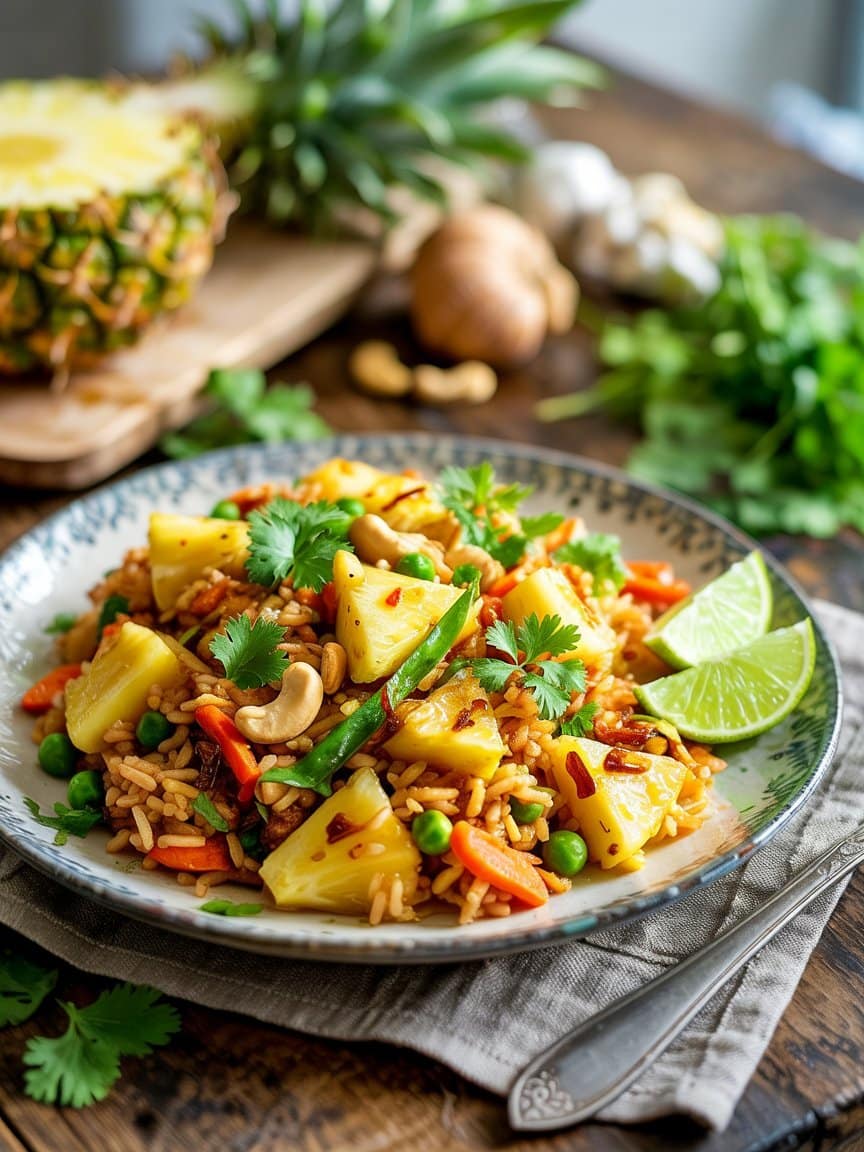
If you love the contrast of sweet tropical fruit with savory, umami-rich rice, this Pineapple Rice Recipe is for you. It’s a joyful mix of tender grains, caramelised pineapple, crisp vegetables, and fragrant aromatics — an approachable dish that works as a weeknight main, a showstopping side for dinner guests, or a light lunch that keeps well. In this post I’ll walk you through everything: ingredients with measurements, step-by-step preparation, technique notes to get perfect texture every time, tips, tasty variations (vegetarian, vegan, gluten-free, protein options), serving suggestions, troubleshooting, and storage. By the end you’ll know how to make a memorable pineapple rice that’s balanced, flexible, and bursting with layered flavours.
Why this Pineapple Rice Recipe works
Pineapple rice is successful because it plays with contrasts: sweet and tangy pineapple against savory rice, soft cooked grains against crunchy vegetables, and oily richness against bright acidity. The foundation is well-cooked, separate grains — not mush — and neat caramelization on the pineapple so you get depth rather than cloying sweetness. Aromatics (garlic, onion, scallion) and a careful seasoning balance (soy, fish sauce or alternatives, lime) turn simple components into a complex, rounded plate.
This version aims for accessibility (no exotic ingredients required), reliability (technique-driven), and versatility (easy to adapt for diets or for adding favourite proteins).
Ingredients (serves 4)
Everything below is scaled for about 4 servings as a main (or 6 as a side). Adjust proportionally.
- 2 cups long-grain white rice, rinsed until water runs clear (about 400 g before cooking)
Alternatives: jasmine rice for floral aroma; use parboiled rice for firmer grains. - 2 cups water (or 1¾ to 2 cups depending on rice type and how you like it)
- 1 small ripe pineapple (about 1–1.5 lb / 450–700 g), peeled, cored and cut into ½-inch chunks
You can use canned pineapple chunks drained in a pinch, but fresh is best for texture. - 2–3 tbsp neutral oil (vegetable, canola, or light olive oil)
- 2 tbsp butter or 1 tbsp more oil (optional — adds richness)
- 1 medium onion, finely diced (about 1 cup)
- 3 garlic cloves, minced
- 1–2 carrots, diced small (½–¾ cup)
- 1 red bell pepper, diced (about 1 cup)
- 3–4 scallions, thinly sliced (separate white from green parts)
- 2 large eggs, lightly beaten (optional — for classic fried rice version)
- 3 tbsp soy sauce (use tamari for gluten-free)
- 1 tbsp fish sauce (optional; adds depth — replace with an extra 1 tbsp soy for vegan)
- 1 tbsp brown sugar or palm sugar (optional — helps caramelize pineapple and balance acid)
- 1 tbsp lime juice (fresh)
- ½ tsp freshly ground black pepper
- ¼–½ tsp chili flakes or 1 small fresh chili, finely chopped (optional — for heat)
- ¼ cup roasted cashews or peanuts (optional, for crunch)
- Fresh cilantro or Thai basil leaves for garnish (optional)
- Lime wedges to serve
- Sesame oil (a few drops, optional, for finishing)
Equipment
- Heavy skillet or wok (12-inch ideal) — for good contact and quick high-heat cooking
- Medium pot with lid (for cooking rice) or rice cooker
- Knife and cutting board
- Spatula or wooden spoon
Prep: get organized (mise en place)
- Rinse the rice in cold water until the water runs clear to remove excess surface starch. This prevents clumping and gives separate grains. Drain well.
- Chop the pineapple, vegetables, and aromatics; separate scallion whites and greens. Beat eggs if using.
- Measure sauces and dry seasonings and place near the stove.
Having everything ready ensures quick, hot cooking — key to a great texture.
Step-by-step method
There are two clear paths: cook the rice separately and then stir-fry (recommended for best texture), or cook rice and combine later (simpler). I’ll describe the recommended approach first.
A. Cook the rice (stovetop or rice cooker)
- Combine rinsed rice with water in a pot (2 cups rice : 2 cups water is a standard starting point for many long-grain rices; reduce the water slightly for very dry rice or use your rice-package ratio). Bring to a gentle boil uncovered, then reduce to the lowest simmer, cover tightly, and cook 12–15 minutes (check package directions). Remove from heat and let rest 10 minutes, still covered.
- Spread the cooked rice on a large tray or baking sheet to cool slightly and dry — this step helps separate grains and prevents steam from making the rice mushy during the stir-fry.
Tip: Day-old refrigerated rice works brilliantly because it’s drier. If you have it, use that — it’s ideal for pineapple fried rice style.
B. Caramelise the pineapple
- Heat 1 tbsp oil (or butter) in a hot skillet or wok over medium-high heat.
- Add the pineapple chunks in a single layer. Let them sit without moving for 1–2 minutes so they brown, then stir/flip and cook another 1–2 minutes until golden and lightly caramelised.
- Sprinkle with 1 tsp brown sugar if using (this encourages caramelization), toss, then transfer the pineapple to a bowl and set aside.
C. Build the flavour base
- In the same pan add remaining oil. Add the diced onion and the white parts of scallions; saute 2–3 minutes until translucent.
- Add minced garlic and sauté 30 seconds — just until fragrant.
- Add diced carrot and bell pepper; stir-fry 2–3 minutes until slightly tender but still crisp.
D. If using eggs (classic fried rice approach)
- Push the veggies to the side of the pan, add a touch more oil, pour in the beaten eggs and scramble quickly.
- When eggs are mostly set, mix with the vegetables.
E. Finish with rice and seasoning
- Add the cooled rice to the pan. Break up any clumps with the back of your spatula and toss to combine with vegetables.
- Drizzle soy sauce and fish sauce evenly over the rice (pour around the pan rather than in one spot), then add lime juice, black pepper, and chili if using. Toss thoroughly and stir-fry for another 2–3 minutes so flavours meld and rice heats through.
- Fold in the caramelized pineapple and most of the scallion greens (reserve some for garnish). Toss gently to combine.
F. Final touches
- Taste and adjust saltiness (more soy), sweetness (a sprinkle of sugar), or acidity (extra lime).
- Finish with a few drops of toasted sesame oil if desired, and sprinkle roasted nuts for crunch.
Serve hot with lime wedges and fresh herbs on the side.
Technique notes — getting perfect texture and flavor
- Rice dryness: The single most important thing is rice that isn’t soggy. Use day-old rice or cool freshly cooked rice spread on a tray. This allows the grains to separate and get hot quickly in the pan.
- High heat: Stir-frying benefits from high heat — it sears and evaporates moisture quickly, keeping vegetables crisp and giving that lightly charred, smoky flavor.
- Caramelization: Don’t rush the pineapple; letting it brown creates deeper flavour and avoids a bland, purely sweet result.
- Layering flavours: Add seasoning at multiple stages — a little while cooking the aromatics, and again when combining rice — to create depth.
- Avoid overcrowding: If your pan is too full, ingredients steam rather than fry. Work in batches if needed.
Flavour variations — customise your Pineapple Rice Recipe
This recipe is a brilliant foundation and adapts well.
Coconut Pineapple Rice
Replace half the cooking water with canned coconut milk (thin if needed) when cooking rice. Use jasmine rice for fragrance. Skip eggs, add toasted coconut flakes, and finish with lime and cilantro.
Spicy Pineapple Rice
Stir in sriracha, sambal oelek, or a finely chopped fresh chili. Add a few teaspoons of chili paste with soy sauce and finish with lime to balance heat.
Herbaceous Fresh Twist
Fold in lots of fresh herbs at the end: cilantro, mint, and Thai basil brighten the dish and add complexity.
Protein additions
- Shrimp: Sear peeled, deveined shrimp separately until just cooked and add at the end. Shrimp pair beautifully with pineapple.
- Chicken: Use bite-sized dark or white meat, marinated briefly in soy and a dash of oil; brown and finish in the pan before adding rice.
- Tofu (vegan): Press and cube firm tofu, toss in a light cornstarch coating, pan-fry until golden, and add at the finish.
- Pork/Beef: Thinly sliced and quickly seared, marinated briefly in soy and a touch of sugar.
Vegetable-forward / Vegan
Skip eggs and fish sauce; use tamari and mushroom soy for an umami boost. Add edamame, snap peas, or baby corn for texture.
Low-sodium or gluten-free
Use reduced-sodium tamari or coconut aminos and increase lime and a touch of sugar for balance. Use tamari to keep gluten-free.
Serving suggestions and pairings
Pineapple rice can be a feature dish or accompaniment.
- As a main: Serve with grilled shrimp, seared chicken thighs, or marinated tofu. Garnish with crushed peanuts or cashews and fresh herbs.
- As a side: Pair with simple grilled fish, roasted pork, or kebabs. The sweet element complements richer meats.
- Buffet / potluck: It holds up well at room temperature; bring roasted nuts and herbs on the side to refresh at service.
- For presentation: Hollow out the pineapple shell and spoon rice back into it for a festive, tropical presentation (line with banana leaf or parchment for easier serving).
Make-ahead, storage, and reheating
- Make-ahead: Cook the rice and caramelise pineapple in advance and refrigerate separately up to 24 hours. Combine and stir-fry just before serving for the best texture.
- Storage: Keep in an airtight container in the fridge for up to 3–4 days.
- Freezing: Not recommended — frozen cooked rice can become dry and mealy.
- Reheating: Heat gently in a skillet with a splash of water or oil over medium heat, stirring to separate grains. Microwave works but can steam the rice and soften texture; use short bursts and stir.
Troubleshooting — common problems solved
- Soggy rice: Causes — too much water, not rinsed, overcrowded pan. Fix: spread rice to cool, refrigerate for a bit, then reheat in a hot pan to dry it out and restore separation.
- Rice sticks together: Use a wooden spatula and avoid smashing. Use rice that’s a bit drier and add it to a very hot pan.
- Too sweet: Add more soy or fish sauce and a splash of lime to rebalance.
- Pineapple too tart: Caramelize longer with a pinch of sugar to develop sweeter notes.
- Flavour flat: Layer acidity (lime), heat (chili), and finish with toasted sesame oil or fresh herb to wake it up.
Nutrition notes
Pineapple rice balances carbohydrates with fruit and vegetables. Add protein to make it a complete meal. For lower-calorie versions, reduce oil and skip the nuts; for heartier, keep nuts and add protein. Pineapple provides vitamin C and bromelain, which can aid digestion.
Quick checklist — before you start
- Rice rinsed and cooked (or day-old rice ready)
- Pineapple chopped and ready to caramelize
- Vegetables diced and aromatics minced
- Sauces and seasonings measured
- Large skillet/wok preheated and hot
Frequently asked questions
Can I use brown rice?
Yes, but brown rice needs longer to cook and can be stickier when stir-fried. Use fully cooled or day-old brown rice; consider slightly increasing oil and cooking time.
What if I don’t like pineapple chunks in my rice?
Try finely diced pineapple for small pockets of sweetness, or grill slices and serve on the side to let diners choose.
Is this authentic to any one cuisine?
Pineapple rice appears in several cuisines with regional twists. This recipe is fusion-friendly and aims for a broadly appealing balance.
Final thoughts
This Pineapple Rice Recipe is a flexible weeknight hero and a colorful dish for entertaining. The secret is in the technique: dry, separate rice, hot pan, and caramelised pineapple. With simple swaps and additions you can make it vegan, protein-packed, spicy, or coconut-creamy. Try the basic version first to master the method, then experiment with proteins, herbs, and heat levels.

Pineapple Rice Recipe
Ingredients
- 2 cups long-grain white rice rinsed and drained
- 2 cups water
- 2 tbsp neutral oil vegetable or canola
- 1 tbsp butter optional
- 1 small fresh pineapple peeled and cut into ½-in pieces
- 1 medium onion diced
- 3 garlic cloves minced
- 1 red bell pepper diced
- 1 –2 carrots diced
- 3 –4 scallions sliced (separate whites and greens)
- 2 large eggs lightly beaten (optional)
- 3 tbsp soy sauce or tamari
- 1 tbsp fish sauce optional
- 1 tbsp lime juice
- ½ tsp black pepper
- ½ tsp chili flakes optional
- ¼ cup roasted cashews or peanuts optional for crunch
- Fresh cilantro or basil for garnish optional
- Lime wedges to serve
Instructions
Cook the rice:
- Combine the rinsed rice and water in a pot. Bring to a boil, then reduce to low heat, cover, and simmer until water is absorbed (about 12–15 minutes).
- Remove from heat and let rest covered for 10 minutes. Spread on a tray to cool.
Caramelise the pineapple:
- Heat 1 tbsp oil (plus butter if using) in a hot skillet over medium-high heat.
- Add pineapple chunks and cook undisturbed 2 minutes to brown, then toss until golden all around.
- Remove and set aside.
Saute aromatics and veggies:
- In the same pan, add more oil if needed.
- Saute diced onion and scallion whites 2–3 minutes until softened.
- Add garlic, bell pepper, and carrot; stir-fry 3–4 minutes.
Add eggs (optional):
- Push veggies to one side, pour in beaten eggs and scramble quickly.
- Mix eggs into the vegetables.
Combine rice and seasoning:
- Add cooled rice to the pan, breaking clumps apart.
- Drizzle soy sauce and fish sauce around the pan, add lime juice, black pepper, and chili flakes.
- Stir-fry 3–4 minutes until rice is fully heated.
Finish and serve:
- Fold in caramelised pineapple and most scallion greens.
- Gently toss to combine.
- Garnish with nuts and fresh herbs. Serve hot with lime wedges.
Notes
- Make-Ahead: Cook rice and pineapple ahead; refrigerate separately up to 24 hours. Stir-fry just before serving.
- Storage: Keeps 3–4 days in the fridge in an airtight container; reheat in a skillet.
- Variations:
- Coconut Pineapple Rice: Cook rice with coconut milk instead of water.
- Protein Add-Ins: Add shrimp, diced chicken, or tofu.
- Spicy Version: Add sriracha or fresh chilies for heat.
- Diet Adaptations: Use tamari instead of soy for gluten-free; omit eggs and fish sauce for vegan.