
Napa Cabbage Rolls Recipe
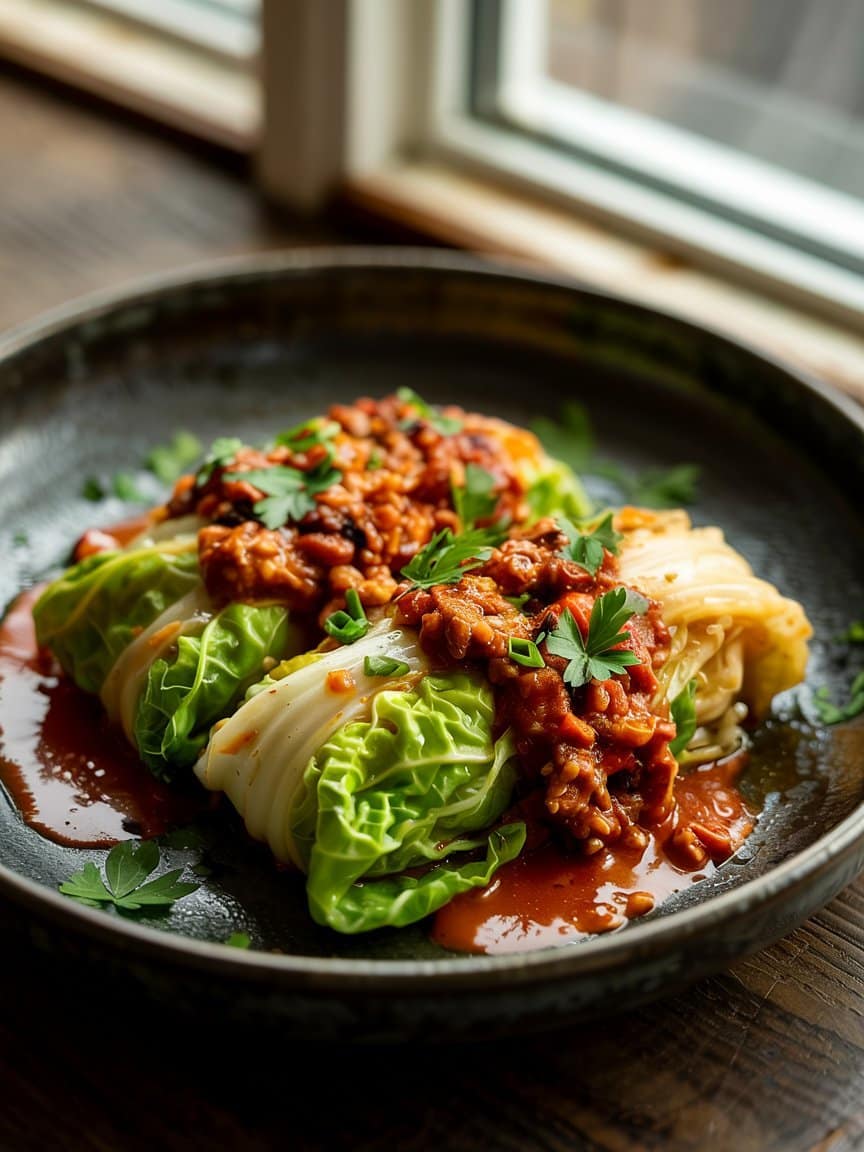
If you love the comforting familiarity of stuffed rolls — but want something lighter, brighter, and wonderfully versatile — you’re in the right place. This Napa Cabbage Rolls Recipe takes a classic technique (stuffing leaves with savory filling) and elevates it with the delicate texture and mild sweetness of Napa cabbage. Whether you’re craving an Asian-inspired dinner, a cozy Eastern-European-style braise, or a vegetarian meal that sings with umami, this post will walk you through everything: ingredients, technique, step-by-step instructions, variations, troubleshooting, and smart serving ideas. By the time you finish reading, you’ll be able to make restaurant-quality cabbage rolls at home with confidence.
Why Napa Cabbage Rolls?
Napa cabbage — sometimes called Chinese cabbage — has tender, wide leaves with thin ribs and a gentle, slightly sweet flavour. Compared with regular green cabbage, Napa’s leaves are easier to separate and roll, which makes them ideal for stuffed rolls. When blanched just right, the leaves stay supple without becoming flimsy, giving you a perfectly shaped roll that holds the filling and soaks up sauces beautifully.
This Napa Cabbage Rolls Recipe is designed to be approachable for home cooks while leaving room for creativity. I’ll give you a foundational filling and braising sauce, plus several variations (meat, pescatarian, vegetarian, and vegan) and optional finishing sauces to suit your mood.
What You’ll Need (Ingredients & Equipment)
Ingredients — Classic Savory Filling (serves 4–6)
- 1 large head Napa cabbage (about 1.5–2 lb / 700–900 g)
- 1 lb (450 g) ground pork (substitute ground turkey, chicken, or a plant-based mince)
- 1 cup cooked short-grain rice or cooked quinoa (200 g cooked) — optional but traditional for texture
- 1 medium onion, finely diced (about 1 cup / 150 g)
- 2–3 garlic cloves, minced
- 1 tablespoon fresh ginger, minced (optional for Asian character)
- 1 large egg (or 2 tbsp ground flaxseed + 6 tbsp water for vegan binding)
- 2 tablespoons soy sauce (or tamari for gluten-free)
- 1 tablespoon sesame oil (or neutral oil)
- 1 teaspoon salt (adjust to taste)
- ½ teaspoon freshly ground black pepper
- ½ teaspoon sugar (optional, helps rounding)
- ¼ cup chopped fresh herbs (parsley, cilantro, or green onions) — optional
- 2 tablespoons neutral oil for sautéing
Braising Sauce (Tomato-Style — Basic)
- 1 (14 oz / 400 g) can crushed tomatoes or 2 cups fresh crushed tomatoes
- 1 cup low-sodium chicken or vegetable stock
- 2 tablespoons tomato paste
- 1 tablespoon soy sauce (optional for umami)
- 1 teaspoon dried oregano or thyme
- 1 bay leaf
- Salt and pepper to taste
(I’ll provide alternative sauces later — see “Sauce Variations.”)
Equipment
- Large pot for blanching the leaves
- Skillet for sautéing the filling
- Sharp chef’s knife and cutting board
- Large baking dish or Dutch oven (for braising)
- Wooden spoon, tongs, or fish spatula
- Kitchen twine or toothpicks if you prefer securing rolls (optional)
Prep Work — How to Prepare Napa Cabbage for Rolling
A key step in any cabbage roll recipe is prepping the leaves so they’re pliable and intact.
- Remove core and separate leaves: Slice a cone-shaped wedge from the base of the Napa cabbage (remove the tough core). Carefully peel off about 10–14 whole leaves. Select the largest intact leaves for rolling; reserve smaller leaves for layering or shredding into the filling.
- Trim thick ribs (optional): If a leaf has an especially thick white rib, shave off a little of the underside of the rib with a knife to make folding easier. Be careful not to cut through the leaf.
- Blanch to soften: Bring a large pot of salted water to a boil. Submerge the leaves, one or two at a time, for 30–45 seconds — just until pliable and bright green. Transfer immediately to an ice bath (or cold running water) to stop cooking. Pat dry and lay out on a clean towel. Blanching cold stops further cooking and prevents tearing when you roll.
- Reserve leaf scraps: Don’t discard the remaining cabbage core or small pieces — they’re delicious shredded into the filling or sautéed and used as a bed for the rolls.
The Filling — Build Flavour Like a Pro
The filling is where you can make big flavor differences. Here’s a reliable, well-balanced version.
Step-by-step filling (Classic Pork & Rice)
- Cook rice (if using): Prepare short-grain rice according to package directions and cool. Leftover rice works perfectly.
- Sauté aromatics: Heat 2 tablespoons oil in a skillet over medium heat. Add diced onion and sauté until translucent (4–5 minutes). Add garlic and ginger, cook 30–45 seconds until aromatic.
- Brown meat: Increase heat slightly, add ground pork and cook until no longer pink, breaking it up. Drain excess fat if needed.
- Season and combine: Remove from heat, let cool 2–3 minutes. Stir in cooked rice, soy sauce, sesame oil, salt, pepper, and egg (or flax mixture). Add chopped herbs and taste — adjust salt and seasoning.
- Test the mixture: Scoop a small tablespoon and pan-fry to test seasoning. This little step saves you from under-seasoned rolls later.
Vegetarian / Vegan Filling Alternative
- Substitute 1 lb (450 g) finely chopped mushrooms + 1 cup cooked lentils or crumbled firm tofu for meat. Saute mushrooms until deeply browned to develop umami. Use flax egg (2 tbsp ground flax + 6 tbsp water) as binder.
Flavor boosts
- Add 1 tablespoon miso paste dissolved in a little water for deep umami.
- Use toasted sesame oil sparingly (a little goes a long way).
- Fresh grated apple or pear mixed into pork is traditional in some Korean-style rolls for moisture and sweetness.
How to Roll Napa Cabbage Rolls (Technique)
Rolling neatly is part skill, part organization. Here’s the pro method:
- Lay leaf flat: Place a blanched, dry Napa leaf shiny side down (rib vertical).
- Trim rib: If rib is very thick, slice a shallow groove or remove a small part of the underside to make folding flush.
- Portion the filling: Spoon 2–3 tablespoons of filling (adjust by leaf size) near the base of the leaf, about 1–2 inches from the edge.
- Fold sides: Fold the left and right edges inward over the filling.
- Roll away from you: Starting from the base with the filling, roll tightly away from you towards the leaf tip, tucking as you roll to create a compact cylinder. Seal the end by tucking the tip underneath the roll.
- Secure if needed: If a roll feels loose, secure with a toothpick or tie with a bit of kitchen twine. Usually, a snug roll will hold on its own after braising.
Cooking Methods — Braise, Steam, or Bake
This Napa Cabbage Rolls Recipe is flexible: choose the method that suits your time, equipment, and desired flavour profile.
Braised (classic, saucy)
- Arrange: Place rolls seam-side down in a snug single layer in a Dutch oven or deep baking dish.
- Add sauce: Pour the braising sauce (tomato-style or other) over the rolls until they’re about ⅔ submerged.
- Cover & simmer: Bring to a gentle simmer on the stove, then cover and cook on low for 35–45 minutes, until fillings are cooked through and flavours have married.
- Finish: Remove cover and simmer 5–10 minutes to thicken sauce if needed.
Steamed (lighter, clean flavours)
- Place rolls in a steamer basket over simmering water, seam-side down. Steam for 20–30 minutes, depending on roll size. Serve with a dipping sauce (soy-vinegar, chili oil).
Baked (easy, hands-off)
- Place in baking dish seam-side down, pour sauce, cover tightly with foil.
- Bake at 375°F (190°C) for 35–45 minutes.
- Uncover and brown for 5–10 minutes if you like a slightly caramelized top.
Sauce Variations — Transform the Dish
The sauce defines the cuisine. Below are several sauces to pair with your Napa Cabbage Rolls Recipe.
1. Tomato-Braised (Comfort Classic)
- Use the Braising Sauce listed earlier — tomato, stock, tomato paste, herbs, and a bay leaf. This gives comforting, slightly sweet, tangy results.
2. Asian-Style Soy-Ginger Sauce
- 1 cup low-sodium chicken or vegetable stock
- 3 tbsp soy sauce
- 2 tbsp rice vinegar
- 1 tbsp mirin or honey
- 1 tsp sesame oil
- 1 tbsp grated ginger and 2 garlic cloves minced
Simmer and pour over rolls, finishing with sliced green onions and a drizzle of toasted sesame oil.
3. Tangy Vinegar-Dill (Eastern European Inspired)
- 1 cup stock, 1/2 cup white wine or vinegar, 2 tbsp tomato paste, 1 tbsp sugar, 1 tbsp chopped dill. This version gives a bright, slightly tangy finish reminiscent of stuffed cabbage from Eastern Europe.
4. Spicy Tomato-Chili (for heat lovers)
- Add 1–2 tbsp gochujang or chili paste to the tomato-braising sauce. Great with pork or beef filling.
5. Light Yogurt-Dill (served on the side)
- Plain yogurt mixed with lemon, garlic, and fresh dill makes a cooling dip for spicier rolls or baked versions.
Serving Suggestions & Pairings
Napa cabbage rolls are a complete meal on their own, but the right accompaniment elevates them.
- Starches: Fluffy mashed potatoes, buttered egg noodles, steamed short-grain rice, or crusty bread to sop up sauce.
- Vegetables: A crisp cucumber salad, pickled red onion, or quickly pickled carrots add brightness. Roasted root vegetables or sauteed greens are hearty options.
- Garnish: Fresh herbs (dill, parsley, cilantro), thinly sliced scallions, sesame seeds, lemon wedges, or a swirl of sour cream or yogurt.
- Beverage pairing: Light-bodied white wines (Pinot Grigio, Riesling off-dry), light reds (Pinot Noir), or a crisp lager. For non-alcoholic, a sparkling iced tea or ginger-ale-inspired spritz.
Make-Ahead, Storage, and Reheating
Make-Ahead
- You can assemble rolls up to 24 hours ahead and keep them covered in the refrigerator. Store sauce separately or pour over before braising.
- For longer prep, freeze fully assembled rolls (uncooked) on a sheet tray until solid, then transfer to a freezer bag. Freeze up to 2 months.
Refrigeration & Reheating
- Cooked rolls can be refrigerated for 3–4 days in an airtight container.
- Reheat gently in a covered skillet over low heat with a splash of stock, or in a 350°F (175°C) oven covered with foil until warm. Microwave work in a pinch — cover and reheat gently.
From Frozen
- Thaw overnight in the fridge and braise as directed, or bake from frozen, adding 10–20 minutes to the cooking time and ensuring internal temperature reaches 165°F (74°C).
Troubleshooting & Pro Chef Tips
- Tearing leaves: If a leaf tears easily, trim the tear and roll that section shorter, or use it as a top layer for aesthetic coverage. Blanching too long makes leaves fragile — 30–45 seconds is usually sufficient.
- Soggy rolls: Avoid adding too much liquid in the filling. If meat mixture feels wet, let it rest in the fridge for 15 minutes to firm up. Also, don’t over-blanch leaves — you want pliable, not mushy.
- Falling apart: Roll tighter and tuck the edges in firmly. Overfilling is a common cause — use smaller portions.
- Under-seasoned filling: Always pan-fry a small sample of the filling and taste-adjust salt and acidity before rolling.
- Bitter or metallic taste: Avoid overcooking brassica vegetables at high heat for long periods and ensure your pan and utensils are non-reactive (avoid aluminum with acidic sauces).
Variations & Global Inspirations
This Napa Cabbage Rolls Recipe is a canvas for flavours from around the world. Here are curated variations you can try.
Korean-Inspired (Baechu-style)
- Filling: Ground pork or beef with minced kimchi, garlic, and gochujang; skip rice for a meat-forward roll. Sauce: a mix of stock, gochujang, and a little sugar. Garnish with sesame seeds and sliced scallions.
Mediterranean
- Filling: Ground lamb, pine nuts, grated onion, chopped parsley, cooked bulgur instead of rice. Sauce: tomato sauce with cinnamon and allspice. Finish with yogurt and lemon.
Eastern European (Golubtsy-style)
- Filling: Mix ground beef and pork with cooked rice and sautéed onions. Sauce: tangy tomato and stock with a touch of vinegar. Serve with sour cream and fresh dill.
Vegetarian / Vegan
- Filling: Crumbled firm tofu or tempeh + cooked lentils + finely chopped mushrooms + rice. Use miso or tamari for umami. Sauce: tomato-basil or a soy-ginger glaze. Use flax egg as binder.
Seafood Twist
- Filling: Flaked cooked white fish or shrimp with sauteed leeks and cooked rice; bind lightly with egg. Sauce: light white wine and lemon-butter (or olive oil) sauce.
Nutritional Notes & Dietary Swaps
- Lower-carb: Omit rice; add cauliflower rice or extra vegetables.
- Gluten-free: Use tamari instead of soy sauce and ensure stock is GF.
- Higher-protein: Increase meat portion or add cooked beans to vegetarian versions.
- Vegan: Use flax egg and a plant-based mince or lentils; double-check any sauces for fish- or dairy-based ingredients.
Frequently Asked Questions (Quick Answers)
Q: Can I use regular green cabbage instead of Napa?
A: Yes — but green cabbage leaves are tougher and smaller. You’ll need to core and soften them (blanch longer or roast the whole head to peel leaves). Napa is simply easier for rolling.
Q: How many rolls does this recipe make?
A: Roughly 12–16 medium-sized rolls depending on leaf size and how much filling you use.
Q: Can I freeze cooked cabbage rolls?
A: Yes — fully cooked and cooled rolls freeze well in sauce for up to 3 months. Thaw overnight in fridge before reheating gently.
Q: How can I make the rolls less oily?
A: Drain excess fat after browning meat, or use leaner proteins. Also, don’t add extra oil to the filling.
Final Thoughts — Mastering Your Napa Cabbage Rolls Recipe
Napa cabbage rolls are a beautiful intersection of technique and comfort. The simple act of wrapping a seasoned filling in a tender leaf produces a dish that’s homey, elegant, and endlessly adaptable. Start with the foundational Napa Cabbage Rolls Recipe here — practice the blanching, test and taste the filling, and try one or two of the sauce variations to find your favourite profile. Once you’re comfortable, you’ll be rolling confidently and improvising with regional flavours and seasonal ingredients.
If you try this recipe, here’s a small challenge from a pro: make half the rolls with a pork-and-rice filling and the other half with a mushroom-lentil filling. Use the same sauce and see if your guests can tell which is which. It’s a great way to cater to different diets without complicating your night.
Napa Cabbage Rolls Recipe
Ingredients
For the Rolls
- 1 large head Napa cabbage
- 1 lb 450 g ground pork (or turkey/chicken/plant-based mince)
- 1 cup cooked rice or quinoa
- 1 medium onion finely chopped
- 2 –3 garlic cloves minced
- 1 tbsp fresh ginger minced (optional)
- 1 large egg or flax egg for vegan
- 2 tbsp soy sauce or tamari for gluten-free
- 1 tbsp sesame oil
- Salt and pepper to taste
- ¼ cup chopped fresh herbs parsley/scallions
- 2 tbsp oil for sautéing
For the Braising Sauce
- 2 cups crushed tomatoes or tomato sauce
- 1 cup low-sodium stock vegetable or chicken
- 1 tbsp tomato paste
- 1 tsp dried oregano
- Salt and pepper to taste
- Bay leaf optional
Instructions
Prep the Cabbage
- Core & separate leaves: Remove the cabbage core and carefully separate 10–14 large leaves.
- Trim tough ribs: Slice the thick rib portions if needed to make the leaves easier to roll.
- Blanch: Boil leaves 30–45 seconds until pliable, then cool in ice water and pat dry.
Make the Filling
- Saute aromatics: Heat oil in a skillet and cook onion until translucent. Add garlic and ginger for 30–60 seconds.
- Cook meat: Add ground pork and cook until browned.
- Combine ingredients: Remove from heat and mix in cooked rice, soy sauce, sesame oil, egg, herbs, and seasoning. Taste and adjust salt.
Roll the Cabbage
- Portion filling: Place 2–3 tbsp of filling near the leaf base.
- Fold & roll: Fold sides over the filling and roll up snugly toward the leaf tip. Secure with kitchen twine or a toothpick if needed.
Cook the Rolls
- Arrange: Place rolls seam-side down in a large pot or baking dish.
- Add sauce: Pour the tomato braising sauce over the rolls (about halfway up).
- Simmer or bake: Cover and cook on low heat 35–45 minutes until cooked through. Alternatively, bake at 375°F (190°C) covered for the same time.
Notes
- Tips
- Do not overfill leaves: This makes rolling harder and increases the chance they burst during cooking.
- Blanching: Keep blanch times short — Napa cabbage is delicate and can tear if overcooked.
- Test seasoning: Fry a teaspoon of filling to taste before rolling to adjust seasoning.
- Storage
- Refrigerate: Store cooked rolls in an airtight container up to 4 days.
- Freeze: Uncooked rolls freeze well — place in a freezer bag up to 2 months. Thaw before cooking.
- Variations
- Vegetarian/Vegan: Replace meat with crumbled tofu, lentils, or mushrooms. Use flax egg for binding.
- Asian Style: Add ginger, rice vinegar, and a soy-ginger braise or ginger broth.
- Spicy: Stir chili paste or gochujang into the sauce for heat.