
Miso Glazed Eggplant Recipe
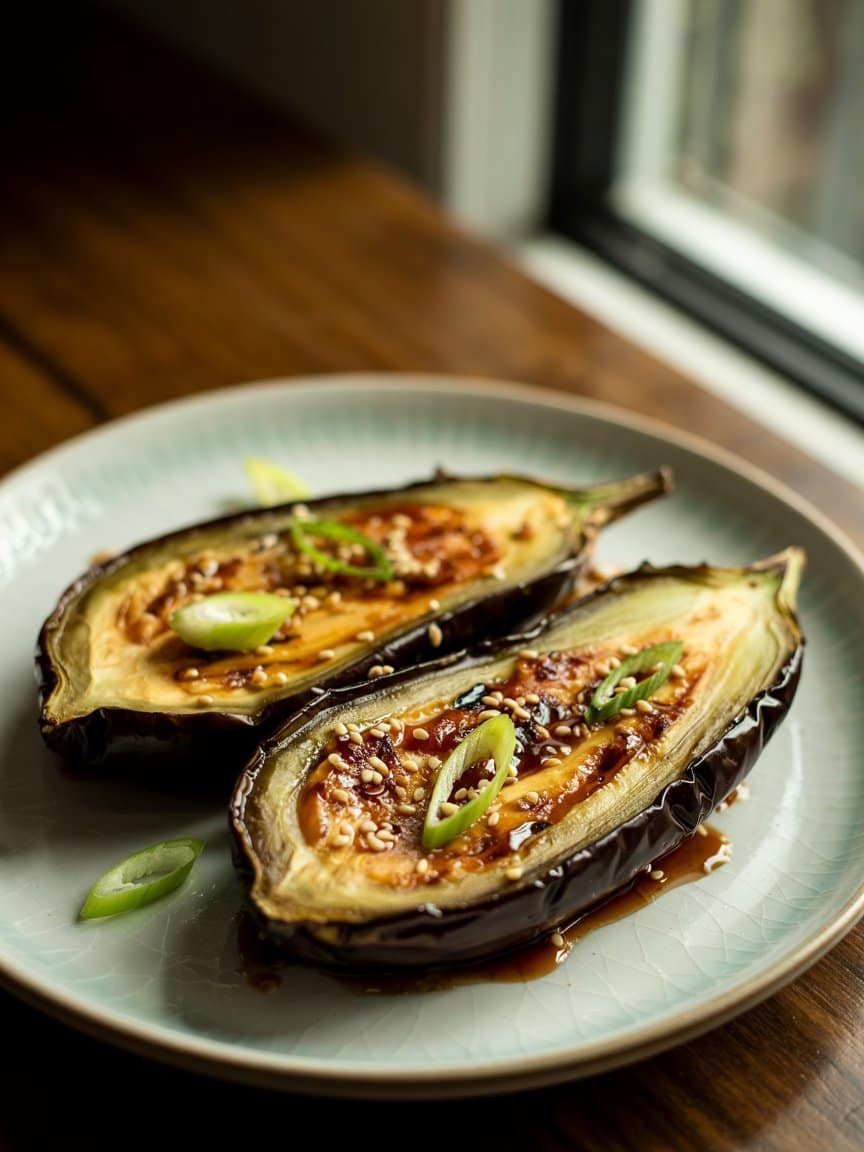
If you love rich, savoury, slightly sweet flavours and a little bit of smoky char, then miso glazed eggplant is the kind of dish that feels both comforting and elegant. I’ve cooked and plated this dish in a variety of kitchens — from home weeknight dinners to restaurant tasting menus — and it never fails to impress. In this post I’ll walk you through everything: ingredient choices, step-by-step technique, multiple cooking methods, troubleshooting, creative variations, serving ideas, and sensible make-ahead and storage advice. By the end you’ll be able to make a perfect miso glazed eggplant every time.
Why miso glazed eggplant works
Eggplant (aubergine) has a sponge-like texture and a mild, slightly earthy flavour. That’s exactly why it loves bold sauces: it soaks up flavours and caramelises beautifully when exposed to high heat. Miso — a fermented soybean paste — brings umami depth, saltiness, and a delicate sweetness (depending on the type). When combined with a touch of sugar or mirin and cooked until caramelised, the miso glaze becomes glossy and complex, turning humble eggplant into something luxuriously savoury.
This dish balances five things:
- Umami from the miso
- Sweetness from mirin, sugar, or honey
- Acidity from rice vinegar or lemon (optional)
- Fat from oil or butter (helps with browning)
- Heat/char from broiling, grilling, or a hot skillet
Ingredients (serves 3–4 as a main or 6 as a side)
These are chef-level measurements with easy swaps. Read through before you start so you understand the role of each ingredient.
Main ingredients
- 2 medium globe eggplants (about 700–900 g total) — see tips below for varieties.
- 2–3 tablespoons neutral oil (vegetable, canola, or grapeseed) for brushing.
Miso glaze
- 3 tablespoons miso paste (see “which miso” section). Use 1.5–2 tablespoons for a lighter finish if you prefer.
- 2 tablespoons mirin (Japanese sweet rice wine). Substitute: 2 tablespoons dry sherry + 1 teaspoon sugar, or 2 tbsp rice vinegar + 1 tbsp sugar for non-alcoholic.
- 1 tablespoon soy sauce or tamari (use tamari for gluten-free).
- 1–2 tablespoons honey, maple syrup, or brown sugar (adjust to taste).
- 1 teaspoon toasted sesame oil (optional — adds aroma).
- 1 teaspoon freshly grated ginger (optional).
- 1 small garlic clove, minced (optional).
Finishing and garnish
- 2 scallions, thinly sliced.
- Toasted sesame seeds.
- Toasted nori strips, shichimi togarashi, or yuzu zest (optional).
- Drizzle of neutral oil or chili oil (optional).
- Flakes of bonito or katsuobushi (if not keeping vegetarian).
Equipment you’ll want
- Sharp chef’s knife and cutting board
- Small mixing bowl and spoon
- Baking sheet (if roasting/broiling)
- Aluminum foil or parchment for easier cleanup
- Grill or cast-iron skillet (optional, for char)
- Pastry brush
Time
- Prep time: 15–25 minutes
- Cook time (broil/roast): 20–30 minutes
- Total: ~40–55 minutes depending on method
Which miso should you use?
Miso is the backbone of the glaze; choosing the right type shapes the result.
- White miso (shiro miso): Mild, slightly sweet, less salty — fantastic for delicate, balanced glazes. My go-to for a glossy, approachable finish.
- Awase miso: A blend of white and red miso; versatile and commonly used — good if you want a middle ground.
- Red miso (aka miso): Deeper, saltier, more fermented flavor — powerful and savory. Use a bit less or mix with white miso for balance.
- Barley miso (mugi miso): Earthy; check label for saltiness and gluten content.
Dietary note: some misos contain barley or other grains; use tamari as soy sauce substitute and pick a gluten-free miso if needed.
Prep & technique — step by step
Below I give two excellent methods: broil/roast (easy, forgiving, great caramelization) and pan sear / grill (smokier, more immediate control). Choose one based on equipment and desired texture.
1) Prep the eggplant
- Trim the stem but don’t peel the skin — the skin holds shape and gets pleasantly tender when cooked.
- Cut the eggplant depending on presentation:
- Halves: slice each eggplant lengthwise for an impressive, restaurant-style presentation.
- Rounds: 1–1.5 cm thick rounds (good for broiling and shared plates).
- Wedges or long batons: great for grilling or skewering.
- Optional (for very large or older eggplants): sprinkle slices with coarse salt and rest on a rack for 15–30 minutes to draw out bitterness and excess moisture. Rinse and pat dry. Most modern supermarket eggplants don’t strictly need salting, but it helps if you want firmer texture and faster browning.
2) Make the miso glaze
- In a small bowl combine: miso paste, mirin, soy/tamari, and honey/maple syrup. Add sesame oil, ginger, and garlic if using.
- Stir until smooth and glossy. If the glaze is thick, add 1/2 teaspoon of warm water at a time to reach a brushable consistency.
3A) Broil / oven method (my recommended easy route)
- Preheat the oven broiler on high (or set oven to 230–240°C / 450–475°F if roasting).
- Line a baking sheet with foil and arrange the eggplant cut side up. Brush lightly with neutral oil.
- Roast for 12–15 minutes if using high oven temp, or broil 6–8 minutes until the flesh begins to soften and bubble.
- Pull tray halfway and brush the cut surfaces with the miso glaze. Return to broiler/oven and cook 3–5 minutes until the glaze caramelises and darkens slightly. Watch carefully — miso sugars can burn.
- Remove, brush a second thin layer of glaze if you want extra gloss, and finish under the broiler for 30–60 seconds more if needed.
- Garnish and serve.
3B) Grill / cast-iron skillet method (for smoke and char)
- Heat grill or heavy skillet until hot. If using a pan, add 2 tablespoons oil and let it shimmer.
- Brush eggplant with oil, place cut-side down and press lightly for good contact.
- Cook 4–6 minutes until deeply browned. Flip and cook the other side until tender — total cook time will depend on thickness.
- Lower heat slightly and brush on the glaze. Grill/pan sear 1–2 minutes more until the glaze caramelizes.
- Remove and garnish.
3C) Shallow-fry then glaze (restaurant style)
- Heat 4–6 mm oil in a frying pan. Fry eggplant rounds or wedges until golden and softened.
- Drain briefly on paper towel, then transfer to a warm pan or tray and apply glaze under high heat for rapid caramelization.
- This method creates a crisp exterior and silky interior — treat as the indulgent option.
Tips from the chef (to guarantee success)
- Thickness matters. Thinner pieces cook faster and will absorb more glaze; thick halves are dramatic but take longer to cook through.
- Brush thin layers. Apply glaze in thin layers and caramelise quickly. Thick coats are more likely to burn before heating through.
- Control sweetness and salt. Taste your miso raw (it’s salty!). If the glaze feels too salty, add a little sugar or mirin. If too sweet, add a splash of rice vinegar or soy to balance.
- Avoid sogginess. High heat and direct contact with a hot surface (broiler, grill, or cast-iron) give the best texture — use higher heat rather than low slow cooking.
- Finish with acid. A squeeze of lemon, a few drops of rice vinegar, or a tiny grating of yuzu zest brightens the glaze.
- Use sesame oil sparingly. It’s fragrant and goes a long way — a teaspoon can be enough.
Variations & flavour twists
The base miso glaze is a flexible canvas. Here are variations I often use.
- Spicy miso glazed eggplant
- Add 1 teaspoon gochujang (Korean chili paste) or 1 teaspoon chili oil to the glaze for spice and depth.
- Miso-maple glazed eggplant (vegan sweet depth)
- Replace honey with 1–2 tablespoons maple syrup and add 1 teaspoon rice vinegar to cut sweetness.
- Miso-butter glazed eggplant (rich, not vegan)
- Stir 1 tablespoon softened butter into the warm glaze just before using for a silkier shine and richer flavour.
- Tahini-miso glaze
- Add 1 tablespoon tahini for thickness and nutty flavour; thin with warm water if needed.
- Smoky char with smoked paprika
- Stir 1/2 teaspoon smoked paprika into the glaze for an extra smoky layer if you can’t grill.
- Miso mayo drizzle
- Mix 1 tablespoon miso with 3 tablespoons mayonnaise and a splash of rice vinegar. Drizzle over eggplant for a creamy contrast.
- Japanese-style donburi (rice bowl)
- Serve glazed eggplant on steamed rice with pickled ginger, a soft-boiled egg, and furikake.
Serving suggestions and pairings
Miso glazed eggplant is versatile. Here’s how I like to serve it at different meal types:
- Weeknight main: Serve on a bed of steamed jasmine or short-grain rice with a side of quick cucumber salad (rice vinegar, sugar, salt) and sautéed greens.
- Shared mezze: Cut into pieces, arrange on a platter, sprinkle with sesame seeds, scallions, and serve with warm flatbread or steamed rice.
- Bento box: Add to bento with tamagoyaki, pickled vegetables, and edamame.
- Elegant starter: Serve one glazed eggplant half per person, topped with toasted sesame seeds, yuzu zest, and microgreens.
- With proteins: Pair with grilled salmon, miso-glazed chicken, or tofu for a fuller plate.
- Noodle bowl: Toss with soba or udon, scallions, shiitake mushrooms, and a light soy-sesame dressing.
Wine/beer pairing
- Light, crisp white wine (Riesling or Grüner Veltliner) complements the sweetness and umami.
- For beer, a crisp pilsner or a Saison balances the glaze’s richness.
- If serving with grilled meats, a light red (Gamay) or an unoaked Pinot Noir can work.
Troubleshooting: common problems & fixes
Problem: Glaze burns before eggplant cooks
- Cause: glaze sugars combust under very high direct heat.
- Fix: cook eggplant until almost tender first, then brush glaze and broil/grill just long enough to caramelize. Use thinner layers.
Problem: Eggplant is soggy and collapsed
- Cause: too much oil, low heat, or excessive moisture.
- Fix: pat dry after salting, avoid deep frying for too long, and use high direct heat to evaporate moisture quickly.
Problem: Too salty
- Cause: miso variability.
- Fix: add a little sugar, mirin, or a splash of rice vinegar to balance. Use less miso next time or dilute with white miso.
Problem: Bland
- Cause: insufficient glaze or under-seasoned.
- Fix: add another thin coat of glaze, finish with a sprinkle of flaky salt, sesame oil, or a bright acid like lemon.
Make-ahead, storage, and reheating
Make-ahead
- Prepare the glaze up to 3 days ahead; keep refrigerated in an airtight container. Warm slightly before using.
- You can roast eggplant a day ahead, refrigerate, and re-heat under the broiler with a fresh brush of glaze to re-crisp.
Storage
- Store glazed or plain cooked eggplant in an airtight container in the fridge for up to 3–4 days.
- Freezing is possible but texture changes: freeze plain cooked eggplant (no glaze) for up to 2 months. Thaw, then reheat and apply glaze.
Reheating
- Best: reheat under a hot broiler for a few minutes to crisp and re-caramelize the glaze.
- Alternative: reheat in a hot skillet with a tiny splash of oil until warmed through.
- Microwave: okay in a pinch, but you’ll lose crispness.
Nutrition & dietary notes
I’ll keep this descriptive rather than claiming exact figures because miso types, oil amounts, and portion sizes vary. Generally:
- Eggplant is low in calories and provides fiber, potassium, and some B vitamins.
- The miso glaze will add sodium and sugar — use reduced-sodium soy/tamari if you want to control salt.
- Swap honey for maple for vegan options; use tamari for gluten-free.
If you want a lighter dish, use less oil, brush sparingly, and choose a lighter glaze (reduce honey/maple).
Plating and presentation (chef’s finishing touches)
A glossy miso glaze looks best when contrasted with bright, fresh elements:
- Scatter thinly sliced scallions and toasted sesame seeds across the top.
- Add a few torn nori strips for visual contrast and a sea-like aroma.
- Finish with microgreens or a few cilantro leaves for color.
- For a restaurant look: slice a glazed eggplant half into crosswise slats, fan slightly, and place on a smear of miso-yogurt or tahini.
- Serve on a warm plate to keep the glaze glossy.
A little background: miso + eggplant in context
Miso paste has been used in Japanese cuisine for centuries; it’s a fermented product rich in umami. Eggplant in East Asian cuisines is frequently paired with miso because eggplant soaks up seasoning and develops a silky texture when cooked. Variants are found across Japan and neighbouring countries — from miso dengaku (miso glaze on skewered vegetables or tofu) to modern adaptations that incorporate global flavours like maple or gochujang.
Quick recipe (chef’s condensed version)
If you want to save this and try it fast, follow this condensed plan.
Ingredients
- 2 medium eggplants, halved lengthwise
- 3 tbsp miso, 2 tbsp mirin, 1 tbsp soy/tamari, 1–2 tbsp honey/maple, 1 tsp sesame oil
Method
- Preheat broiler. Score eggplant flesh lightly and brush with oil.
- Roast cut-side up until soft and starting to brown, about 10–15 minutes.
- Mix glaze until smooth. Brush eggplant with glaze, broil 2–4 minutes until caramelised (watch closely).
- Garnish with scallions, sesame seeds, and serve with rice.
Final thoughts — why you’ll love this recipe
Miso glazed eggplant is proof that humble ingredients can shine with the right technique. It’s flexible for weeknights yet elegant enough for guests. The glaze is quick to make, and the methods adapt to whatever equipment you have: oven, grill, or skillet. The secret is high heat, thin layers of glaze, and a finishing touch of bright aromatics.
Miso Glazed Eggplant Recipe
Ingredients
For the Eggplant
- 2 medium eggplants sliced lengthwise
- 2 –3 tablespoons neutral oil canola, vegetable, or grapeseed
For the Miso Glaze
- 3 tablespoons white miso paste
- 2 tablespoons mirin
- 1 tablespoon soy sauce or tamari
- 1 –2 tablespoons honey or maple syrup
- 1 teaspoon toasted sesame oil
- 1 teaspoon grated fresh ginger optional
- 1 small garlic clove finely minced (optional)
For Garnish
- 2 scallions thinly sliced
- Toasted sesame seeds
- Optional: chili oil shichimi togarashi, or nori strips
Instructions
Preheat the Oven
- Preheat your oven broiler on high (or oven to 230°C / 450°F).
Prepare the Eggplant
- Slice the eggplants lengthwise and lightly score the flesh in a crisscross pattern without cutting through the skin. Brush the cut sides lightly with oil.
Initial Roasting
- Place eggplant cut-side up on a lined baking sheet. Roast or broil for 12–15 minutes until the flesh is tender and lightly golden.
Make the Miso Glaze
- In a small bowl, whisk together miso paste, mirin, soy sauce, honey (or maple syrup), sesame oil, ginger, and garlic until smooth and glossy.
Glaze and Caramelise
- Remove eggplant from the oven and brush generously with the miso glaze. Return to the broiler for 3–5 minutes, watching closely, until the glaze bubbles and caramelises.
Finish and Garnish
- Remove from oven, garnish with scallions and sesame seeds, and drizzle lightly with chili oil if desired. Serve immediately.
Notes
- Do not over-broil: Miso contains natural sugars and can burn quickly—keep a close eye during the final step.
- Make it vegan: Use maple syrup instead of honey.
- Spicy variation: Add 1 teaspoon gochujang or chili paste to the glaze.
- Storage: Store leftovers in an airtight container in the refrigerator for up to 3 days. Reheat under the broiler or in a hot skillet for best texture.
- Air fryer option: Air fry eggplant halves at 190°C / 375°F for 10–12 minutes, glaze, then air fry 2–3 more minutes until caramelised.