
Korean Zucchini Side Dish Recipe
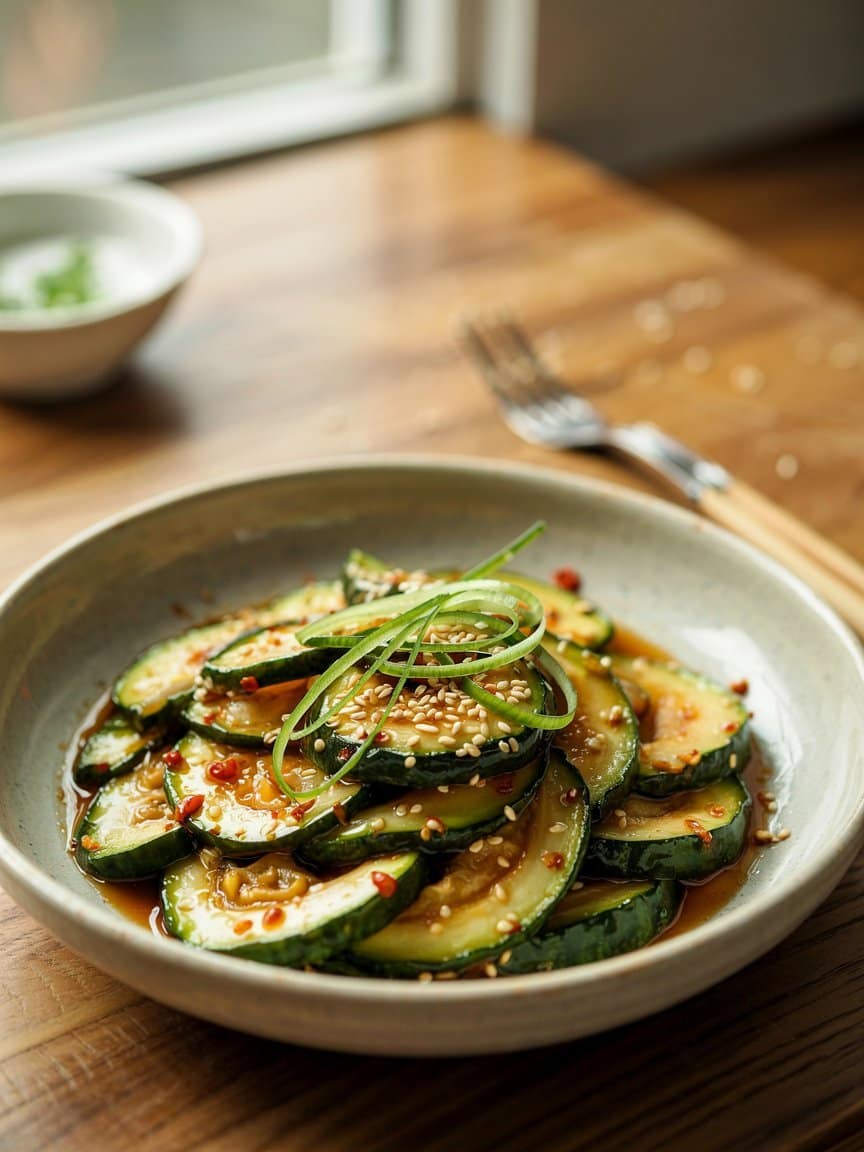
If you love simple, bright vegetable banchan (Korean side dishes), you’re in for a treat. This Korean Zucchini Side Dish Recipe—also known as hobak bokkeum—is a quick, elegant, and incredibly versatile plate of stir-fried zucchini that brightens any meal. As a professional chef who’s cooked and taught this dish many times, I’ll walk you through every detail: ingredients, step-by-step technique, helpful chef tips, variations, serving suggestions, storage, and answers to common questions. By the time you finish reading, you’ll be ready to make a restaurant-quality zucchini banchan at home.
Why this Korean Zucchini Side Dish Recipe works
Korean banchan excels at big flavour with minimal fuss. This zucchini side dish is all about balance: the natural sweetness and delicate texture of zucchini, savoury umami from soy, aromatic sesame, and a hint of heat or acidity if you choose. The technique matters: quick, high-heat cooking keeps the zucchini tender-crisp and prevents it from becoming mushy. I’ll show you two reliable methods—one that preserves a light, fresh texture and another for when you want deeper, caramelised flavour.
At a glance
- Prep time: 10–15 minutes (plus optional 10–15 minute resting if salting)
- Cook time: 5–7 minutes
- Total time: 20–30 minutes
- Serves: 3–4 as a banchan (side dish)
- Cuisine: Korean
- Skill level: Easy
Ingredients (classic version)
Use these measurements as a baseline. The recipe scales easily.
- 2 medium zucchini (about 500–600 g / 1.1–1.3 lb total) — Korean zucchini (aehobak) if you can find it; otherwise any globe zucchini is fine
- 2 tablespoons neutral oil (vegetable, canola, or grapeseed)
- 1 tablespoon toasted sesame oil (for finishing)
- 2 cloves garlic, thinly sliced or minced
- 2 scallions (green onions), thinly sliced (white and green parts separated)
- 1 teaspoon soy sauce (adjust to taste)
- 1/2 teaspoon salt (plus more to taste)
- 1/2 teaspoon sugar or 1 teaspoon mirin (optional — helps balance and enhance color)
- 1 tablespoon toasted sesame seeds, for garnish
- Freshly ground black pepper or a pinch of crushed red pepper (gochugaru) — optional
Optional add-ins
- 1 small carrot, julienned (adds color)
- 50 g shiitake or button mushrooms, sliced (adds umami)
- 1 teaspoon gochugaru (Korean red pepper flakes) for a mild heat
- 1 teaspoon finely grated Asian pear or apple (for a subtle sweetness/umami lift)
- 1 teaspoon fish sauce or 1–2 anchovy flakes (for extra depth; omit for vegetarian)
Equipment
- Heavy-bottomed skillet or nonstick pan (10–12 inches / 25–30 cm recommended)
- Sharp chef’s knife and cutting board
- Spatula or tongs
- Paper towels or a clean kitchen towel (for patting zucchini)
- Optional: bowl and colander for salting/drawing moisture
Ingredient notes and substitutions
- Korean zucchini (aehobak): thinner-skinned and less watery than many Western zucchini, it’s ideal for banchan. If unavailable, standard zucchini works perfectly—just watch moisture.
- Soy sauce: use light soy sauce or regular low-sodium soy sauce. For gluten-free, use tamari or coconut aminos.
- Sesame oil: don’t cook with much sesame oil (it burns easily); use it mostly as a finishing oil to preserve its aroma.
- Gochugaru vs. crushed red pepper: gochugaru provides color and a milder, smoky heat. If using crushed red pepper, use less.
Two reliable methods: Quick stir-fry (tender-crisp) and caramelized stir-fry (deeper flavor)
Method A — Quick Stir-Fry (Best for texture)
This preserves bright color and a tender-crisp bite—classic for banchan.
- Prepare the zucchini
- Trim the ends. Slice zucchini into 1/4-inch (6 mm) half-moons or thin batons. Uniform slices cook evenly. If using Korean zucchini, you may slice into 1/2-inch rounds—both work.
- (Optional) Lightly salt to draw moisture
- Put the sliced zucchini in a bowl, sprinkle with 1/2 teaspoon salt, toss, and let rest 10–15 minutes. This draws out excess water so the final dish isn’t watery. After resting, gently squeeze or pat the zucchini dry with paper towels. If you prefer a brighter, firmer bite and your zucchini seems very fresh/not watery, you can skip this step.
- Heat the pan
- Preheat the skillet over medium-high heat. Add neutral oil and swirl.
- Cook quickly
- Add the white parts of scallion and garlic to the pan; sauté 20–30 seconds until fragrant. Add the zucchini in a single layer (work in batches if needed). Stir-fry 3–4 minutes, tossing often, until zucchini is tender but still has slight bite and bright color.
- Season
- Add soy sauce, sugar or mirin (if using), and a pinch of black pepper or gochugaru. Toss to coat for 30–60 seconds.
- Finish
- Remove from heat, drizzle toasted sesame oil, sprinkle scallion greens and sesame seeds. Taste and adjust salt/soy. Serve immediately.
Method B — Caramelized Stir-Fry (More depth & savory)
If you want a richer, slightly caramelized zucchini that pairs well with grilled meats:
- Slice slightly thicker (1/3 inch / 8 mm) so pieces hold up during caramelization.
- Don’t salt ahead — you want surface moisture to reduce and caramelize.
- Use higher heat and a bit more oil. Spread zucchini in a single layer; let it sit 1–2 minutes before stirring to allow searing. Flip and let the other side develop a golden color. Repeat until most pieces have caramelized edges.
- Deglaze with a splash (1–2 teaspoons) water or mirin to lift fond if the pan is dry. Add soy, garlic, scallions, finish with sesame oil, sesame seeds, and serve.
Step-by-step recipe (concrete, repeatable)
Here’s a tested, full recipe you can follow exactly.
Ingredients (serves 3–4)
- 2 medium zucchini (approx. 550 g / 1.2 lb)
- 2 tbsp vegetable oil
- 1 tbsp toasted sesame oil (finishing)
- 2 garlic cloves, thinly sliced
- 2 scallions, sliced (whites and greens separated)
- 1 tsp soy sauce
- 1/2 tsp salt (divided; adjust to taste)
- 1/2 tsp sugar or 1 tsp mirin (optional)
- 1 tbsp toasted sesame seeds
- Pinch of gochugaru or black pepper (optional)
Directions
- Prepare zucchini: Trim ends and slice into 1/4-inch half-moons. If zucchini seems very watery, transfer slices to a bowl, sprinkle 1/4–1/2 tsp salt, toss, and let sit 10–15 minutes. After resting, gently squeeze out excess liquid and pat dry.
- Preheat pan: Heat a large skillet over medium-high heat. Add vegetable oil and swirl to coat.
- Sauté aromatics: Add garlic and the white parts of the scallion. Stir for 20–30 seconds until fragrant, careful not to brown the garlic too much.
- Stir-fry zucchini: Add zucchini, spread into a single layer. Stir and toss frequently for 3–4 minutes until zucchini is tender-crisp and still bright green.
- Season: Add soy sauce, sugar/mirin (if using), and a small pinch of additional salt if needed. Toss for 30–60 seconds so flavors combine.
- Finish and serve: Remove pan from heat. Stir in toasted sesame oil and the green parts of scallion. Transfer to a serving dish and sprinkle sesame seeds and gochugaru/black pepper if using. Serve warm or at room temperature.
Chef tips for the best Korean Zucchini Side Dish Recipe
- High heat is your friend: Quick, hot cooking locks in color and texture. Preheat the pan first.
- Don’t overcut: Thin slivers cook too fast and can become mush. Aim for consistent 1/4-inch slices.
- Salt carefully: If your zucchini is very watery, a light salt and quick rest helps. But over-salting will make the dish soggy. Pat dry after salting.
- Use toasted sesame oil at the end: It’s aromatic; heating it for long ruins the flavor.
- Limit soy sauce: A little soy goes a long way—aim for brightness rather than saltiness. You can always add more at the end.
- Work in batches: Crowding cools the pan and causes steaming. If you have lots of zucchini, do two quick batches.
- Add scallions at the end: The greens should stay fresh and bright. Cook whites early for sweetness; add greens last for color.
Flavour variations (make the recipe your own)
The Korean Zucchini Side Dish Recipe is a perfect blank canvas. Here are tried-and-true variations:
Spicy Gochugaru Zucchini
- Add 1 teaspoon gochugaru with the soy sauce or sprinkle more when serving. For a saucier, gochujang (Korean chili paste) glaze, mix 1 tsp gochujang with 1 tsp sugar and 1 tsp water, stir in at the end and cook 30 seconds.
Garlic-Heavy Comfort
- Add an extra clove or two of garlic and finish with a squeeze of lemon for brightness.
Mushroom & Zucchini
- Toss in sliced shiitake or cremini mushrooms and cook until mushrooms release their moisture and caramelize slightly—adds savory umami.
Seafood Twist
- Add small shrimp tossed in at the end and cook until just opaque. Great with a dash of fish sauce.
Vegan Umami Boost
- Use a splash of mushroom soy or liquid aminos and stir in a little toasted seaweed (gim / nori) cut into thin strips for extra coastal flavor.
Nutty Crunch
- Add toasted pine nuts or crushed roasted peanuts at the end for texture contrast.
Serving suggestions and pairing ideas
This zucchini side dish is flexible and pairs beautifully with many meals:
- With Korean meals: Serve as one of several banchan alongside rice, kimchi, bulgogi, or grilled fish. It brings freshness and balances richer proteins.
- On bibimbap: Use it as one of the vegetable toppings—cut into matchsticks for texture.
- With grilled meats: The bright, slightly nutty flavor offsets fatty meats like pork belly or short ribs.
- As a sandwich filling: Cool it, toss with a little mayo or gochujang mayo, and use in wraps or sandwiches.
- On toast or crostini: Pile cooled zucchini on toasted bread with cream cheese or ricotta for a simple appetizer.
- Over noodles or cold buckwheat (naengmyeon style sides): Toss with noodles and a little sesame oil for a light noodle side.
Make-ahead, storage, and reheating
- Refrigerator: Store in an airtight container for 3–4 days. Zucchini releases water as it sits, so keep any serving drizzle (extra sesame oil, scallion greens) separate and add before serving to refresh.
- Freezing: Not recommended—zucchini becomes watery and loses texture when frozen and thawed.
- Reheating: Reheat gently over low-medium heat; a quick toss in a skillet will restore some texture. Avoid microwaving too long. If it’s a bit watery after storage, drain excess liquid and reheat in a hot pan to evaporate moisture.
Common mistakes and how to avoid them
- Overcooking: Zucchini will turn to mush if cooked too long. Remove from heat when just tender.
- Too much salt: If you salt early to draw water, use less salt during seasoning to avoid over salting.
- Crowding the pan: Leads to steaming instead of browning. Cook in batches if needed.
- Heating sesame oil: Sesame oil loses its perfume at high heat—add at the end.
- Uneven slicing: Pieces that vary in thickness will cook unevenly—use a sharp knife and steady hand.
Nutritional snapshot (approximate)
A simple stir-fried zucchini banchan is light and nutritious: low in calories, moderate in fiber, and a good source of vitamin C and potassium. Exact nutrition depends on oil amounts and any add-ins (mushrooms, shrimp, etc.). For most home cooks, this dish is an excellent low-calorie vegetable side.
Frequently asked questions (FAQ)
Q: Can I use yellow squash instead?
A: Yes. Yellow squash has a similar texture and will work just fine. Flavor and cooking times are comparable.
Q: Do I have to salt the zucchini first?
A: Not always. If your zucchini is very watery or you prefer a firmer result, a light salt-and-rest helps. For quick cooking and when zucchini feels fresh, skip it.
Q: How spicy is this dish?
A: The base recipe is not spicy. Add gochugaru or a small amount of gochujang for heat and color.
Q: Is this dish vegan/vegetarian?
A: Yes—unless you add fish sauce or shrimp. Use soy sauce/tamari and you’re vegan.
Q: Can I make this ahead for a dinner party?
A: Yes—prepare and cool, then reheat quickly in a hot pan right before serving. Finish with fresh scallion greens and sesame seeds.
Final notes from the chef
The beauty of this Korean Zucchini Side Dish Recipe is in its balance and simplicity. A few quality ingredients and attention to technique—temperature, timing, and texture—create a side dish that can anchor a Korean meal or elevate an everyday dinner. Don’t be afraid to experiment: add heat, umami, or crunch depending on your mood. Once you’ve mastered this basic hobak bokkeum, it will become one of your go-to sides for quick weeknight cooking and special feasts alike.
Korean Zucchini Side Dish Recipe
Ingredients
- 2 medium zucchini about 1.2 lb / 550 g, sliced into ¼-inch half-moons
- 2 tablespoons neutral cooking oil vegetable or canola
- 1 tablespoon toasted sesame oil for finishing
- 2 cloves garlic thinly sliced or minced
- 2 scallions green onions, thinly sliced, whites and greens separated
- 1 teaspoon soy sauce low sodium preferred
- ½ teaspoon salt adjust to taste
- ½ teaspoon sugar or 1 teaspoon mirin optional
- 1 tablespoon toasted sesame seeds
- Pinch of black pepper or gochugaru optional
Instructions
Prepare the zucchini:
- Wash and trim the zucchini ends. Slice into uniform ¼-inch half-moons. If zucchini is very watery, lightly salt and rest for 10 minutes, then gently pat dry.
Heat the pan:
- Place a large skillet over medium-high heat. Add the neutral oil and allow it to heat until shimmering.
Cook aromatics:
- Add garlic and the white parts of the scallions. Stir-fry for 20–30 seconds until fragrant, being careful not to burn the garlic.
Stir-fry zucchini:
- Add zucchini to the pan in a single layer. Stir-fry for 3–4 minutes, tossing frequently, until just tender but still vibrant and slightly crisp.
Season:
- Add soy sauce, sugar or mirin (if using), salt, and optional pepper or gochugaru. Toss well and cook for another 30–60 seconds.
Finish and serve:
- Remove from heat. Drizzle with toasted sesame oil, sprinkle scallion greens and sesame seeds. Serve warm or at room temperature.
Notes
- Texture tip: High heat and quick cooking prevent soggy zucchini.
- Storage: Store in an airtight container in the refrigerator for up to 3–4 days.
- Reheating: Reheat briefly in a skillet over medium heat; avoid microwaving too long.
- Variations: Add mushrooms or carrots for extra texture, or sprinkle gochugaru for a spicy version.
- Dietary notes: Naturally vegetarian and easily vegan; use tamari for gluten-free.