
Korean Lettuce Salad Recipe
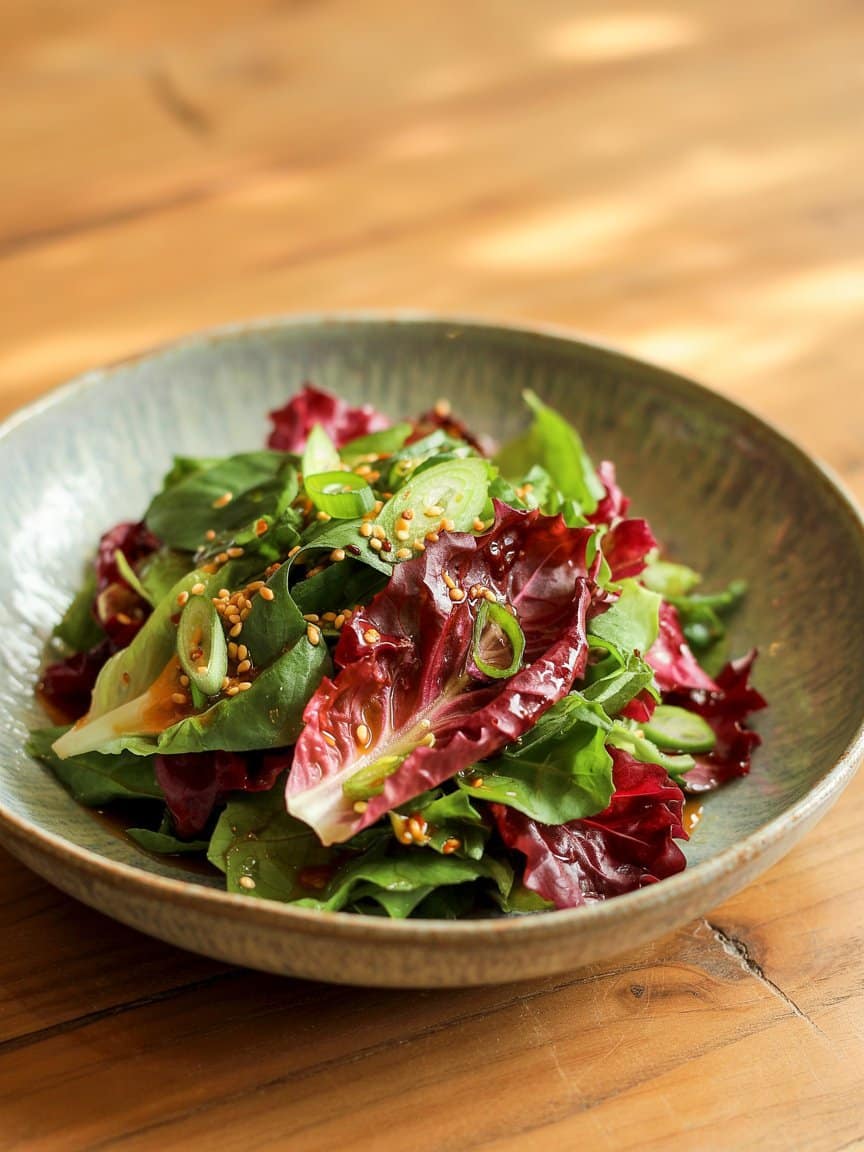
If you love fresh, crunchy greens with bold, savoury Korean flavours, this Korean Lettuce Salad Recipe will quickly become a weeknight favourite and a superstar side for any meal. As a professional chef who’s spent years balancing texture, seasoning, and presentation, I wrote this post to give you everything you need: ingredient breakdowns, precise techniques, troubleshooting, creative variations, and serving ideas so your salad always tastes restaurant-level.
This isn’t just a list of steps — it’s an in-depth exploration of why each ingredient matters, how to prep the lettuce for perfect texture, and how to adapt the recipe for vegan, extra-spicy, or more-substantial versions. Let’s dig in.
What is a Korean Lettuce Salad?
At its core, a Korean lettuce salad is a fresh, quick-dressed salad that highlights crisp lettuce leaves dressed with savory, garlicky, slightly spicy dressing. In Korean cuisine this falls into the broader family of light, quickly tossed salads often served as banchan (side dishes). The goal is contrast: cooling, crunchy greens with a bold, umami-rich dressing that brightens everything on the plate.
Common names include sangchu-geotjeori (상추겉절이) — essentially “lettuce geotjeori,” or quick kimchi-style tossed greens — but you’ll also see fresh lettuce tossed with sesame oil, soy/fish sauce, vinegar, and chili. This recipe blends those classic flavours while staying flexible enough for home cooks.
Why this version works
- Texture-first: Properly handling lettuce (washing, drying, tearing) preserves crunch and prevents sogginess.
- Layered umami: Soy or fish sauce + toasted sesame oil + roasted sesame seeds = depth without heavy dressing.
- Balance: Acid (rice vinegar or lemon), heat (gochugaru or fresh chili), and a hint of sweetness (sugar or honey) create harmony.
- Speed: Most steps take under 15 minutes — ideal for busy cooks.
Ingredients (serves 4 as a side)
Measure once, taste twice. All ingredient amounts are suggestions — adjust to taste.
- 2 large heads of fresh loose-leaf lettuce (or 1 large head + additional greens). Aim for butter lettuce, romaine, red leaf, or Korean-style sangchu (leaf lettuce). About 8–10 cups torn.
- 2–3 scallions (green onions), thinly sliced on a bias
- 1 medium clove garlic, finely grated or minced (add more for garlic lovers)
- 1–2 tablespoons toasted sesame seeds, lightly crushed
- 1 small fresh red chili or ½ teaspoon gochugaru (Korean red pepper flakes) — optional, adjust for heat
- 2 tablespoons light soy sauce (or tamari for gluten-free)
- 1–1½ tablespoons rice vinegar (or apple cider vinegar / lemon juice)
- 1–2 teaspoons granulated sugar or 1 tablespoon honey or agave
- 1–1½ tablespoons toasted sesame oil
- 1 tablespoon neutral oil (canola or vegetable) — optional; helps disperse flavors
- 1 teaspoon fish sauce (optional, for extra umami — use more for authentic depth, skip for vegetarian/vegan)
- Freshly ground black pepper to taste
- Salt if needed (taste before adding—soy/fish sauce add saltiness)
- Optional finishing: 1 teaspoon finely grated lemon zest; extra sesame seeds; thinly sliced cucumber or carrot for added crunch
Equipment & prep tips
- Salad spinner (highly recommended to dry lettuce thoroughly)
- Sharp chef’s knife or your hands for tearing lettuce (tearing preserves texture)
- Fine microplane or garlic press for garlic
- Small bowl or jar for dressing (a jar with a lid is handy — shake to emulsify)
- Large mixing bowl (wide is better — gives space to toss without bruising leaves)
Prep tip: buy lettuce the day you plan to eat it or the night before. If you need to store, separate leaves from core, rinse, spin-dry, wrap in paper towels, and keep in an airtight container in the fridge — they’ll stay crisp for 1–3 days.
Step-by-step method
1 — Select and prepare the lettuce
Choose fresh, crisp leaves with no brown spots. For the best mouthfeel:
- Remove core and separate leaves from head.
- Rinse gently in cold water — a quick dunk helps dislodge grit.
- Spin-dry in a salad spinner or pat dry with clean kitchen towels until leaves are as dry as possible. (Moist leaves = watered-down dressing.)
- Tear leaves into bite-sized pieces by hand rather than cutting where possible — tearing preserves more natural texture and edge.
2 — Make the dressing
This is the heart of the Korean Lettuce Salad Recipe — bold but balanced.
- In a small bowl or jar, combine: grated garlic, soy sauce, rice vinegar, sugar (or honey), toasted sesame oil, neutral oil (if using), fish sauce (if using), and gochugaru or minced fresh chili.
- Whisk or shake vigorously until sugar dissolves and oils are slightly emulsified.
- Taste and adjust: more vinegar for brightness, more sesame oil for aroma, more soy/fish sauce for saltiness, a pinch more sugar if it tastes too sharp.
Note: the dressing will taste intense — it should. When it meets the lettuce, the flavors mellow and integrate.
3 — Toss gently and finish
- Place dried, torn lettuce in a large bowl.
- Add sliced scallions and crushed toasted sesame seeds.
- Drizzle 2/3 of the dressing over the greens — you can always add more after tasting.
- Gently toss with clean hands or tongs, coating leaves evenly without crushing them.
- Taste; add more dressing or a sprinkle of salt/pepper as needed.
- Finish with a final drizzle of sesame oil and a light sprinkle of sesame seeds for presentation.
Serve immediately for the best texture.
Flavor breakdown & technique notes
- Garlic: Raw garlic gives a sharp bite. Grating (microplane) distributes it into tiny, less aggressive pieces. If you prefer milder garlic flavor, mince and let it sit briefly in the vinegar to soften the edge.
- Sesame oil: Use toasted sesame oil sparingly — a little goes a long way in aroma.
- Soy vs. fish sauce: Soy adds salt and savoury body; fish sauce adds fermented umami/sea flavour. If using fish sauce, reduce soy slightly to avoid overpowering salt.
- Acid: Rice vinegar is traditional and mild; lemon or apple cider vinegar works in a pinch but shifts the flavor profile.
- Sweetness: A small amount of sugar or honey balances heat and vinegar; don’t skip entirely unless you prefer more tartness.
Variations to try
One of the pleasures of this Korean Lettuce Salad Recipe is how adaptable it is.
1. Vegan / plant-based
Skip fish sauce. Add ½–1 teaspoon of mushroom soy or a pinch of powdered mushroom bouillon for deeper umami. Use maple syrup instead of honey.
2. Extra spicy
Increase gochugaru to 1 teaspoon or add finely sliced fresh green or red chiles. Toasted chili oil drizzled on top also works.
3. Creamy sesame dressing
Whisk in 1–2 tablespoons of tahini or 1 tablespoon of toasted sesame paste for a richer, creamier dressing (this turns it almost into a sesame slaw).
4. Korean-style lettuce with pork (doenjang twist)
Add a teaspoon of doenjang (Korean fermented soybean paste) to the dressing for an earthy, savoury twist. Pair with grilled pork and use lettuce leaves as wraps.
5. Crunch + color boost
Add thinly sliced cucumber, matchstick carrots, radish, or shaved daikon for color and more crunch. A handful of chopped toasted peanuts or crushed roasted seaweed (gim) is delicious.
6. Ssam-style serving (wraps)
Serve whole lettuce leaves with grilled meat, a dab of ssamjang, kimchi, and rice. The salad can be kept lightly dressed or tossed right before serving to keep leaves crisp.
Serving suggestions & pairings
- Korean BBQ: This lettuce salad is the perfect fresh counterpoint to fatty grilled meat — use it as part of ssam wraps or as a bright side.
- Bibimbap: Add as a side banchan to bibimbap for cool crunch.
- Seafood: Pairs beautifully with grilled fish or shrimp; the sesame and garlic complement seafood.
- Rice bowls: Top bowls of steamed rice with a few tablespoons of the dressed lettuce for texture contrast.
- Sandwiches & tacos: Use lightly dressed lettuce as a crunchy topping for fusion-style tacos (like bulgogi tacos) or sandwiches.
- Drinks: Light, crisp white wines (Sauvignon Blanc), or a chilled lager complement the salad well. For non-alcoholic pairings, try barley tea (bori-cha) or cold green tea.
Make-ahead, storage, and leftovers
- Dressing: Can be made ahead and stored in the refrigerator for 5–7 days in a sealed jar. Bring to room temperature and re-whisk before using.
- Lettuce: Best dressed and served immediately. If you must store dressed salad, keep it for less than 6 hours — leaves will begin to wilt.
- Undressed salad components: Washed, spun, and dried lettuce stored in airtight containers with paper towels stays crisp for 1–3 days.
- Leftovers idea: If the salad becomes slightly wilted, chop and pan-fry with an egg and some rice for a quick stir-fry — the dressing flavours make a tasty sauce.
Troubleshooting common problems
- Salad tastes too salty: Dilute with plain torn lettuce and add a touch more acid or a tiny pinch of sugar. Avoid adding more soy to fix other imbalances.
- Leaves are soggy: Likely from not drying lettuce fully or dressing applied too early. Make sure lettuce is dry and dress right before serving.
- Dressing too sharp: A pinch of sugar or a drizzle of neutral oil will smooth acidity.
- Lacking depth: Add a drop of fish sauce or a small pinch of toasted ground sesame seeds. A tiny bit of toasted sesame seed paste (tahini) also adds richness.
- Too bland: Increase garlic, sesame oil, or add a pinch more soy/fish sauce.
Nutrition notes (approximate, per serving as a side)
This salad is naturally low in calories and carbs, high in fiber and vitamins. Exact numbers depend on dressing amounts and type of lettuce. A generous estimate per side-serving:
- Calories: 60–120 (mostly from sesame oil and sesame seeds)
- Protein: 1–2 g
- Fat: 5–10 g (healthy fats from sesame oil)
- Fiber: 1–2 g
- Vitamin A and C: high (from leafy greens)
If you add proteins like tofu, beef, or a fried egg, the salad becomes a balanced main course.
Plating, presentation & photography tips
- Use a wide, shallow bowl to show off the lettuce’s delicate edges.
- Toss the salad immediately before plating to avoid sogginess.
- Finish with a light sprinkle of sesame seeds and a tiny drizzle of sesame oil for shine.
- Add visual contrast: thin ribbons of carrot or red chili threads for color pop.
- For photos: natural side lighting, shoot from slightly above, and include a small bowl of leftover dressing in frame for context.
Cultural context & a brief note on authenticity
Korean salads like sangchu-geotjeori are quick, fresh, and meant to provide contrast on the table. The dressing elements — sesame oil, garlic, gochugaru, and fermented condiments — are foundational. Authenticity is a spectrum; home cooks should feel free to adapt based on ingredients, dietary needs, and what’s available locally. The essence of the Korean Lettuce Salad Recipe is in the balance of crunch, aroma, and umami — that’s what to preserve.
A few advanced chef tips
- Toast your sesame seeds: Briefly toast them in a dry skillet until fragrant — it releases oils and elevates flavor.
- Infuse sesame oil: Warm a small amount of sesame oil with a smashed garlic clove, remove from heat, let cool, and then use — gives deeper garlic-sesame aroma without raw garlic bite.
- Temp control: Keep lettuce chilled until the last minute — warm leaves wilt faster when dressed.
- Knife skills: Slice scallions on a bias for a visually appealing, softer textural bite.
- Micro-adjustments: If your dressing is too viscous, a teaspoon of warm water helps distribute it evenly without diluting flavour.
Full recipe card (concise)
Ingredients:
- 8–10 cups torn lettuce
- 2–3 scallions, thinly sliced
- 1 clove garlic, grated
- 1–2 tsp gochugaru or 1 small red chili, minced
- 2 tbsp soy sauce
- 1–1½ tbsp rice vinegar
- 1–2 tsp sugar or 1 tbsp honey
- 1–1½ tbsp toasted sesame oil
- 1 tbsp neutral oil (optional)
- 1 tsp fish sauce (optional)
- 1–2 tbsp toasted sesame seeds
- Freshly ground pepper to taste
Method:
- Wash, dry, and tear lettuce; chill.
- Whisk dressing ingredients together.
- Combine lettuce, scallions, 2/3 dressing; toss gently.
- Taste, adjust seasoning, finish with sesame seeds and remaining dressing if needed. Serve immediately.
Final thoughts
This Korean Lettuce Salad Recipe is deceptively simple, but the difference between “good” and “great” lies in attention to detail: properly dried lettuce, a balanced dressing, and the right finishing touches. It’s a flexible side that brightens heavy mains and stands on its own with a bit of protein. Try the variations, experiment with chili and umami, and most importantly, taste as you go.
Korean Lettuce Salad Recipe
Ingredients
- 8 –10 cups torn leaf lettuce butter lettuce, romaine, red leaf, or sangchu
- 2 –3 scallions green onions, thinly sliced
- 1 medium garlic clove finely grated
- 1 –2 tsp gochugaru Korean red pepper flakes or 1 small red chili, finely minced (optional)
- 2 tbsp light soy sauce or tamari for gluten-free
- 1 –1½ tbsp rice vinegar or lemon juice/apple cider vinegar
- 1 –2 tsp granulated sugar or 1 tbsp honey/maple syrup
- 1 –1½ tbsp toasted sesame oil
- 1 tbsp neutral oil canola/vegetable — optional for easier dressing distribution
- 1 tsp fish sauce optional for extra umami; omit for vegan
- 1 –2 tbsp toasted sesame seeds lightly crushed
- Freshly ground black pepper to taste
- Optional add-ins: thin cucumber ribbons matchstick carrots, thinly sliced radish, extra sesame seeds for garnish
Instructions
- Prepare the lettuce: Remove core, separate leaves, rinse in cold water, then thoroughly dry in a salad spinner or by patting with clean towels. Tear leaves by hand into bite-sized pieces to preserve texture.
- Slice scallions: Trim roots and thinly slice on a bias. Set aside.
- Make the dressing: In a small bowl or jar, combine grated garlic, soy sauce, rice vinegar, sugar (or honey), toasted sesame oil, neutral oil (if using), fish sauce (if using), and gochugaru or minced chili. Whisk or shake vigorously until sugar dissolves and the mixture is slightly emulsified. Taste and adjust (more vinegar for brightness, more sesame oil for aroma, more soy/fish sauce for saltiness).
- Toast sesame seeds (if not pre-toasted): In a dry skillet over medium heat, toast seeds for 1–2 minutes until fragrant, stirring constantly. Let cool and lightly crush if desired.
- Toss the salad: Place dried lettuce in a large bowl. Add sliced scallions and most of the sesame seeds. Drizzle about two-thirds of the dressing over the greens (you can add more later). Gently toss with clean hands or tongs, coating leaves evenly without crushing them.
- Taste and finish: Sample a leaf. Add more dressing, a pinch of salt, or black pepper if needed. Finish with a final light drizzle of sesame oil (for aroma) and a sprinkle of remaining sesame seeds.
- Serve immediately: Best served right away so the lettuce keeps its crisp texture. If serving as part of a spread, dress only right before plating.
Notes
- Dryness matters: Make sure lettuce is as dry as possible before dressing — water dilutes the dressing and makes leaves soggy.
- Make-ahead: Dressing keeps refrigerated in a sealed jar for 5–7 days. Re-whisk before using. Do not dress the lettuce more than a few minutes ahead of serving.
- Vegan swap: Omit fish sauce; add ½–1 tsp mushroom soy or a pinch of ground dried mushrooms for extra umami.
- Creamy variation: Stir 1–2 tbsp tahini into the dressing for a rich sesame-creamy version.
- Extra heat: Increase gochugaru or add a drizzle of toasted chili oil.
- Leftover use: If the salad wilts, chop and quickly stir-fry with an egg and rice for a flavourful fried rice-like dish.
- Nutrition tip: Most calories come from sesame oil and seeds. Reduce sesame oil to lower calorie count.
- Troubleshooting: If too salty, add more torn lettuce or a splash of rice vinegar to rebalance. If too sharp, add a little sweetener.