
Korean egg fried rice recipe
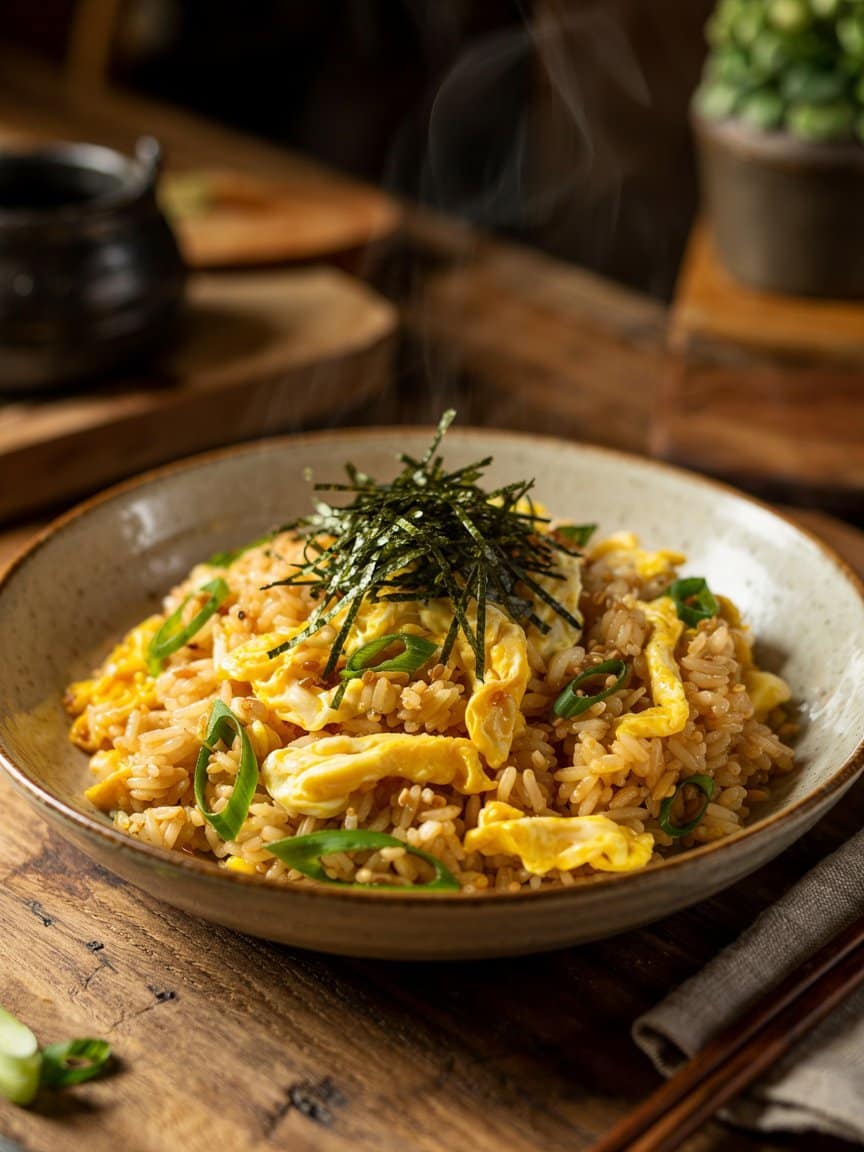
If you love simple comfort food that tastes like a warm hug, the Korean egg fried rice recipe is your new go-to. This dish is quick, flexible, and endlessly satisfying — perfect for a speedy weeknight dinner, a late-night snack, or a way to transform leftovers into something spectacular. In this long-form guide I’ll walk you through everything: the why behind ingredient choices, exact ingredient amounts and timing, pro techniques for silky eggs and fluffy rice, variations (kimchi, vegan, protein-packed), troubleshooting, serving ideas, and tips to make it your signature dish.
Whether you want a no-fuss single-pan meal or a restaurant-quality bowl, by the end you’ll know how to make brilliant Korean-style egg fried rice every time.
Why this recipe works (and what makes it “Korean”)
At its core, egg fried rice is universal, but the Korean riff leans on a few flavor markers:
- Sesame oil for its nutty aroma.
- Ganjang (Korean soy sauce) or light soy for umami without overpowering saltiness.
- Gochujang or gochugaru optionally for heat and depth when you want a kick.
- Kim (dried seaweed) flakes or strips as a finishing touch in many Korean home-cooked bowls.
- The egg is often folded into the rice or used as a silky topper — texture is key.
This Korean egg fried rice recipe blends these elements with classic fried-rice technique: hot pan, quick cooking, and the right rice texture. The result is fragrant, slightly savory, and texturally delightful — creamy egg meeting separate, coated grains.
Ingredients (serves 2–3 as a main)
Use ingredients at room temperature where applicable. This ingredient list gives a reliable baseline; later I’ll list swaps and scaling notes.
- 3 cups cooked short- or medium-grain rice (preferably day-old and chilled; ~540 g cooked)
- 2 tablespoons neutral oil (vegetable, canola, or grapeseed)
- 1 tablespoon toasted sesame oil (divided — ½ tbsp for cooking, ½ tbsp for finishing)
- 2 large eggs + 1 egg yolk (for extra silkiness) — see notes on technique below
- 3–4 scallions (green onions), white and green parts separated and finely sliced
- 1 small onion, finely diced (about ½ cup)
- 2 cloves garlic, minced (or 1 tbsp garlic paste)
- 1 tablespoon light soy sauce (or Korean ganjang)
- ½ teaspoon sugar (balances soy)
- ½ teaspoon ground black pepper, or to taste
- 1 teaspoon toasted sesame seeds (optional)
- 1–2 sheets gim (roasted seaweed/nori), torn into small strips (optional but characteristic)
- Optional protein/veg add-ins (see variations): kimchi (½ cup, chopped), ½ cup diced ham/Spam/pan-fried tofu/shrimp, ½ cup frozen peas and carrots, sliced mushrooms, etc.
Yields: about 2–3 hearty bowls. Multiply ingredients to scale.
Equipment & prep checklist
- Heavy-bottomed skillet or wok (10–12 inch) — a wok offers the best high-heat tossing.
- Spatula (metal or silicone) for scraping and mixing.
- Mixing bowl for eggs.
- Fork or chopsticks to beat eggs.
- Fine sieve (optional) to fluff rice.
- Plate or bowl to rest the cooked egg.
Prep (mise en place) — do these before heating the pan:
- Break eggs into a bowl, add the extra yolk, and beat lightly with a fork.
- Dice onion, mince garlic, slice scallions (keep whites separate).
- Fluff day-old rice with a fork, breaking up clumps.
- Chop any proteins or vegetables you’ll add.
- Have soy sauce, sesame oil, and seasonings within reach.
Step-by-step method (detailed)
Timing: ~10–15 minutes active cooking (rice should be pre-cooked). Read the full section before you begin.
1. Use the right rice
Day-old chilled rice is best because the grains firm up and separate, reducing stickiness. Short-grain rice will be stickier and chewier (authentic Korean style), while medium-grain is a good balance. If you have fresh hot rice, spread it on a tray to cool and lose moisture for 20–30 minutes, or briefly refrigerate until slightly dry.
2. Heat the pan and oil
Place your skillet or wok over medium-high heat. Add 2 tablespoons neutral oil and let it get hot but not smoking. A hot pan is crucial — it sears and releases moisture quickly, keeping grains separate.
3. Sauté aromatics and mix-ins
Add the white parts of the scallion and diced onion to the hot oil. Stir-fry 1–2 minutes until translucent and fragrant. Add garlic and any raw vegetables (mushrooms, bell pepper) and stir until just tender — 1–2 minutes. If adding pre-cooked proteins (ham, Spam, shrimp), toss them in now to heat and develop color.
4. Add rice and seasonings
Break rice into clumps and add it to the pan. Spread it out and let the bottom get a momentary sear before stirring. Add soy sauce, sugar, and a splash (½ tbsp) of sesame oil. Toss vigorously, turning rice to coat each grain in seasoning. Keep the heat medium-high; you want some toasting without burning.
5. The egg — choose your style
There are two popular methods:
Method A — Folded egg (integrated but still distinct):
- Push rice to one side of the pan. Add 1 tbsp neutral oil if pan is dry. Pour beaten eggs into the cleared space. Let them sit 10–15 seconds to set slightly at the edges, then scramble gently until just-soft. When the eggs are about 70% set, fold them into the rice and mix quickly so the eggs coat the grains.
Method B — Silky egg topper (restaurant-style):
- Cook the rice fully, transfer to a bowl, and in another pan make a very soft scramble or an omelet (low heat) — or fry a sunny-side-up egg with runny yolk. Place the rice in a serving bowl and top with the soft egg; break the yolk and mix when served for a silky texture.
For this Korean egg fried rice recipe, I recommend Method A for speed and homogeneity.
6. Finish seasoning and aromatics
Once eggs are mixed and rice is hot, taste and adjust: add more soy sauce for salt, a dash of toasted sesame oil for aroma, and black pepper. Stir in the green parts of scallions and toasted sesame seeds in the last 20 seconds. Remove from heat.
7. Plate and garnish
Serve immediately. Sprinkle torn gim/seaweed strips over the top and a final drizzle of sesame oil if desired. A few extra sliced scallions and a pinch of gochugaru (Korean chili flakes) for color and mild heat round things out.
Pro techniques — how to make it restaurant-level
- Day-old rice is non-negotiable — it dries the grains and prevents mush. If you must use fresh rice, reduce water when cooking and cool it quickly.
- High heat, quick movement — keep food moving to avoid burning but allow bottom contact for light toasting.
- Oil management — neutral oil for frying, toasted sesame oil for flavor (add near the end to preserve aroma).
- Egg texture control — undercook eggs slightly when mixing; residual heat will finish them without drying.
- Salt in stages — soy sauce provides salt and umami; adjust gradually. If adding salty proteins (Spam, anchovy), reduce soy.
- Cut ingredients uniformly — even small dice ensures consistent cooking and bite.
- Use a metal spatula in a well-seasoned wok for that slight “wok hei” char if you have high heat — it adds complexity but isn’t required.
Variations & add-ins (make it your own)
This Korean egg fried rice recipe is a canvas. Here are popular variations:
Kimchi egg fried rice
- Add ½–1 cup chopped, well-drained kimchi while sautéing onions. Fry until kimchi and rice are slightly caramelized. Optional: add 1 tsp gochujang for depth and color. Top with a fried egg.
Gochujang-spiked
- Stir 1 teaspoon gochujang in with soy sauce for a spicy-sweet umami hit. Adjust to taste.
Protein-forward (meaty)
- Add diced Spam, bacon, diced cooked chicken, or shrimp. Sear first for color, remove, and re-add near the end.
Vegetarian / Vegan
- Skip eggs: make a tofu scramble (firm tofu crumbled and pan-fried with a pinch of turmeric for color) or use scrambled silken tofu with cornstarch to help it firm. Finish with sesame oil and soy. For vegan “egginess,” nutritional yeast adds savory depth.
Low-carb (cauliflower fried rice style)
- Use riced cauliflower instead of rice. Reduce cooking time and avoid adding extra water. Eggs still work well.
Deluxe veg
- Add sautéed mushrooms, baby corn, asparagus tips, or blanched spinach for volume and color.
Serving suggestions and what to pair it with
Korean egg fried rice is versatile. Serve it as:
- A standalone meal in a deep bowl topped with a fried egg and seaweed strips.
- A side to Korean mains like bulgogi, spicy pork, or grilled fish.
- Part of a banchan-style meal (small Korean side dishes): pickled cucumbers, kimchi, pickled radish.
- For contrast, serve with a light soup (miso-style or clear vegetable broth).
Beverages:
- Green tea, barley tea (bori-cha), or a cold lager pair nicely. For richer meals, a light white wine works.
Storage, reheating, and meal-prep tips
- Storage: Cool completely and refrigerate in an airtight container for up to 3–4 days. For longer storage freeze in portions for up to 2 months.
- Reheating: Reheat quickly in a hot skillet with a splash of oil to revive texture. Microwave with a damp paper towel for 60–90 seconds for a fast option, then toss in a pan briefly. If frozen, thaw overnight in the fridge first.
- Meal prep: Make extra rice and keep cooked rice in the fridge. Assemble aromatics and proteins in containers for quick stir-frying.
Troubleshooting — common mistakes and fixes
- Mushy rice: Rice was too fresh/wet. Use chilled day-old rice next time or spread fresh rice on a tray to cool and dry.
- Rubbery eggs: Overcooked eggs lose silkiness. Remove when slightly underdone; residual heat finishes them.
- Soggy pan: Too many wet ingredients at once. Cook wetter items separately and add later.
- Too salty: Reduce soy sauce and salty add-ins next time. Add a squeeze of lime or a few drops of water and cook briefly to disperse saltiness.
- No texture contrast: Finish with toasted sesame seeds and gim for crunch.
Flavor balance and adjusting to taste
This recipe balances umami (soy, sesame oil), salt, fat (oil + egg), and a touch of sweetness (sugar). To tweak:
- Want more umami: add a teaspoon of oyster sauce or a splash of fish sauce (use sparingly).
- Want more heat: gochujang, gochugaru, or a drizzle of Korean chili oil.
- Want brighter: a squeeze of lime/lemon or a few drops of rice vinegar just before serving.
- Want more richness: use an extra yolk or butter finish (small knob of butter melted in at the end).
Nutrition & portioning (approximate)
Exact nutrition depends on rice type and any add-ins. A typical serving (about 1¾ cups) of this basic version with eggs and sesame oil will provide:
- Carbohydrates from rice (majority of calories)
- Protein from eggs (moderate)
- Fat from oil and eggs (moderate)
- Vegetables/minor micronutrients from scallion and any added veg
For lower calories, reduce rice portion and bulk up with vegetables or lean protein.
Frequently asked questions
Can I use long-grain rice?
Yes. Long-grain rice will be less sticky and more separate; adjust water when cooking and ensure it’s well cooled.
Why add an extra egg yolk?
The extra yolk makes the final dish silkier and richer without adding a full extra egg’s white (which can toughen texture if overcooked).
Is this the same as kimchi fried rice?
Not exactly. Kimchi fried rice (kimchi bokkeumbap) is a distinct Korean dish where kimchi is the star. This Korean egg fried rice recipe is a neutral base that can easily become kimchi fried rice by adding kimchi.
Can I make this vegan?
Yes — replace egg with tofu scramble or omit egg and add more vegetables and umami (miso, mushroom powder, or soy).
How do I make it spicy?
Add gochujang (Korean red pepper paste) or sprinkle gochugaru. You can also add sliced chili.
Final tips to elevate your Korean egg fried rice recipe
- Use a small finishing drizzle of sesame oil for aroma — add it at the end, not the start.
- Tear roasted seaweed by hand to avoid soggy squares; sprinkle on just before serving.
- Keep the pan hot and ingredients moving — speed equals texture.
- Experiment with ratios: some prefer more egg (2–3 eggs per 2 cups rice) for an almost carbonara-like silk; others like less for a rice-forward bowl.
- Taste as you go. Small adjustments of soy, sesame oil, or a touch of sugar will bring the dish to life.
Sample recipe card (condensed)
Ingredients (serves 2–3):
- 3 cups day-old cooked short-grain rice
- 2 tbsp neutral oil
- 1 tbsp toasted sesame oil (divided)
- 2 large eggs + 1 yolk
- 1 small onion, diced
- 2 scallions (whites + greens), sliced
- 2 garlic cloves, minced
- 1 tbsp light soy sauce
- ½ tsp sugar
- ½ tsp black pepper
- Torn gim and sesame seeds to garnish
Method (short):
- Heat oil in wok, sauté white scallion and onion until soft. Add garlic.
- Add rice; toss and sear slightly. Stir in soy sauce, sugar, and ½ tbsp sesame oil.
- Push rice aside, add beaten eggs, scramble until 70% done, mix into rice.
- Finish with scallion greens, sesame seeds, gim, and remaining sesame oil. Serve hot.
Closing thoughts
The beauty of this Korean egg fried rice recipe is its simplicity and adaptability. It’s a perfect base for creativity: add kimchi for tang, leftover roast for punch, tofu for a vegan swap, or keep it minimal with just egg and scallion for pure comfort. With the techniques above — day-old rice, hot pan, and careful egg timing — you’ll consistently get a bowl that’s fragrant, texturally satisfying, and deeply comforting.
Korean egg fried rice recipe
Ingredients
- 3 cups cooked short- or medium-grain rice day-old and chilled is best
- 2 tablespoons neutral oil vegetable, canola, or grapeseed
- 1 tablespoon toasted sesame oil divided: ½ tbsp for cooking, ½ tbsp for finishing
- 2 large eggs + 1 egg yolk
- 1 small onion finely diced (about ½ cup)
- 3 –4 scallions green onions, whites and greens separated, thinly sliced
- 2 garlic cloves minced (or 1 tbsp garlic paste)
- 1 tablespoon light soy sauce or Korean ganjang
- ½ teaspoon sugar
- ½ teaspoon ground black pepper
- 1 teaspoon toasted sesame seeds optional
- 1 –2 sheets gim roasted seaweed / nori, torn into strips (optional)
- Optional add-ins: ½ cup chopped kimchi ½ cup diced Spam/ham/leftover roast, ½ cup peas & carrots, ½ cup sliced mushrooms, or ½ cup cubed pan-fried tofu
Instructions
- Prep everything first (mise en place). Beat the eggs + extra yolk lightly in a bowl. Dice onion, mince garlic, slice scallions (keep whites separate). Fluff chilled rice with a fork to break clumps.
- Heat a large skillet or wok over medium-high heat until hot. Add the 2 tablespoons neutral oil and let it warm.
- Add the scallion whites and diced onion. Stir-fry 1–2 minutes until fragrant and onion is translucent. Add garlic and any raw veg (mushrooms, bell pepper); cook 1–2 minutes more.
- If using pre-cooked protein (Spam, ham, shrimp), add now to sear and develop color.
- Add the chilled rice, breaking up any clumps and spreading it in the pan for a brief moment of contact to get light toasting. Toss or stir constantly for 1–2 minutes.
- Drizzle in the ½ tbsp sesame oil and the tablespoon of soy sauce. Sprinkle the ½ tsp sugar over the rice and stir vigorously so each grain gets lightly coated.
- Push the rice mixture to one side of the pan. If the pan looks dry, add a little more neutral oil (about 1 tsp). Pour the beaten eggs into the cleared space and let sit 10–15 seconds to start setting.
- Gently scramble the eggs until about 70% cooked (soft and slightly wet). Toss and fold the eggs into the rice so they break into ribbons that coat the grains.
- Stir in the scallion greens and taste; adjust seasoning with extra soy or pepper if needed. Add toasted sesame seeds and torn gim strips if using.
- Remove from heat and finish with the remaining ½ tbsp toasted sesame oil drizzled over the top. Serve immediately — top with an optional sunny-side egg for a runny yolk finish.