
Japanese Fried Chicken Recipe
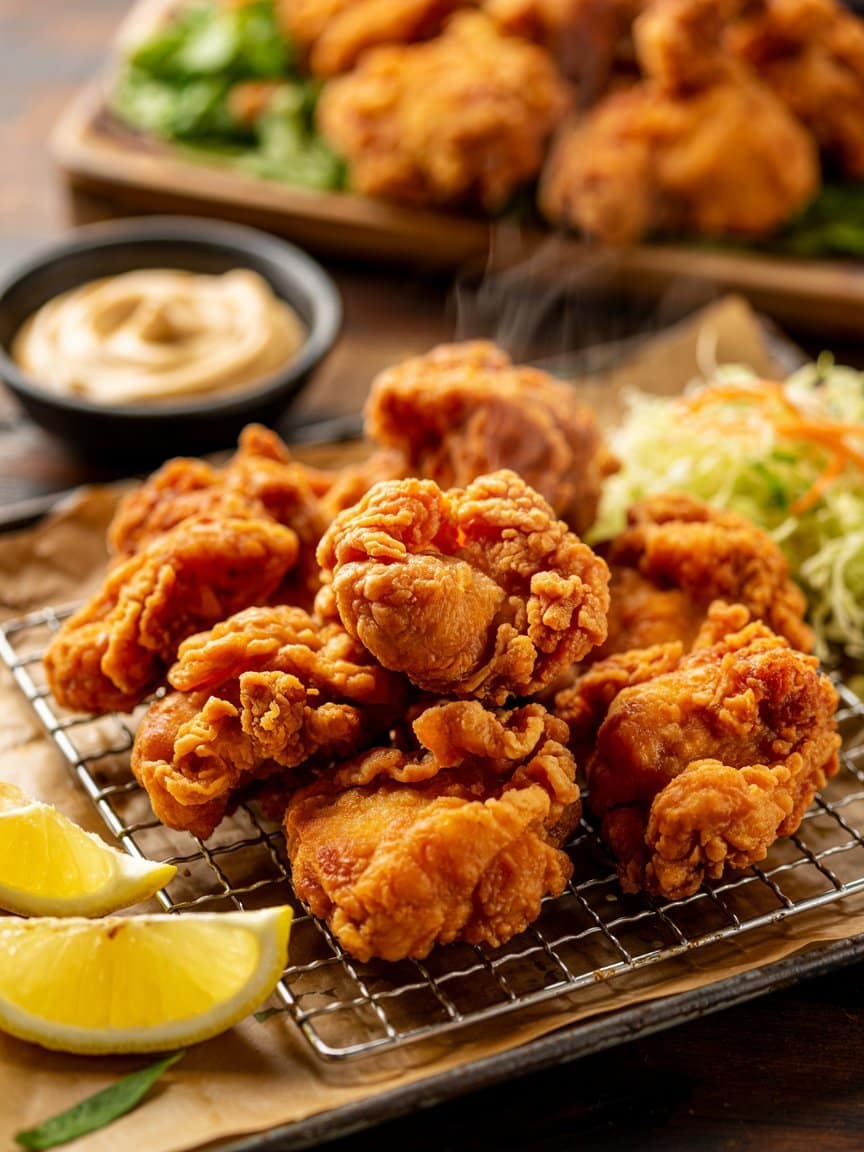
If you love crunchy, juicy chicken with a burst of umami, you’re in the right place. This Japanese fried chicken recipe (commonly known as karaage) is one of those crowd-pleasing dishes that feels both comfortingly simple and utterly special. In this long, detailed guide I’ll walk you through the why and how: ingredient choices, step-by-step technique, pro tips, tasty variations, serving ideas, storage and reheating, troubleshooting, and answers to the questions home cooks ask most. Whether you’re making karaage for a weeknight dinner, bento boxes, or an at-home izakaya spread, you’ll have everything you need to make it sing.
What is Japanese fried chicken (karaage)?
Karaage is Japan’s signature take on fried chicken: typically bite-sized pieces of chicken, marinated briefly in a savory-sweet mixture, coated in potato starch (or a starch blend), and deep-fried until golden and crackly. The result is a crisp exterior with a tender, juicy interior and a layered flavour profile from soy, ginger, and sometimes sake or mirin. It’s different from western Southern fried chicken: karaage pieces are usually smaller, marinated instead of heavily breaded, and finished with a light, almost glassy crust from the starch coating.
Why this Japanese fried chicken recipe works
A great karaage balances three things:
- Flavour — a short marinade infuses the meat without making it soggy; key aromatics are ginger and garlic, and a touch of sake/mirin lifts the flavour.
- Texture — potato starch (katakuriko) gives a very crisp, slightly translucent crust; combining a little cornstarch can create a slightly more toothsome crust.
- Technique — precise temperature control, proper oil management, and optionally a double-fry yield pieces that are crisp and remain juicy for hours.
Follow this recipe and the techniques below and you’ll avoid the usual pitfalls (greasy coating, dry meat, or underseasoned chicken).
Ingredients (serves 4)
- 1.2 kg (about 2.6 lb) boneless, skinless chicken thighs (recommended) — cut into 1.5–2 inch bite-sized pieces
Substitute: chicken breasts if you must, but thighs stay juicier. - 2 tablespoons soy sauce
- 1 tablespoon sake (or dry sherry as substitute)
- 1 tablespoon mirin (or 1 tsp sugar + 1 tbsp water)
- 2 teaspoons finely grated fresh ginger
- 2 garlic cloves, finely grated or minced
- 1 teaspoon kosher salt (adjust to taste)
- 1/2 teaspoon freshly ground black pepper
- 2 teaspoons sesame oil (optional — adds subtle depth)
- 3 tablespoons potato starch (katakuriko) — or more for coating
- 2 tablespoons cornstarch (optional; for a slightly sturdier crust)
- Neutral oil for deep frying (vegetable, canola, or sunflower), about 1.2–1.5 liters depending on your pot size
- Lemon wedges, for serving
- Shredded cabbage or lemon mayo for plating (optional)
For a simple dipping sauce (optional):
- 2 tablespoons Japanese mayonnaise (Kewpie)
- 1 teaspoon soy sauce
- 1 teaspoon lemon juice or rice vinegar
- A dash of hot sauce or togarashi to taste
Equipment & prep notes
- Deep pot or Dutch oven (at least 20–24 cm / 8–10 inch diameter) or a deep fryer.
- Candy/deep-fry thermometer (strongly recommended) — helps keep oil at the right temperatures.
- Wire rack and baking tray (for draining and keeping crisp).
- Slotted spoon or spider skimmer.
- Large bowl or zip-lock bag for marinating.
- Paper towels for final blotting, if desired.
Why the wire rack? Paper towels can trap steam and make crust soggy. A rack lets air circulate and keeps the coating crisp.
Step-by-step: Japanese fried chicken recipe
1. Choose the right cut
Chicken thighs are the classic choice: they stay juicy after frying and absorb the marinade well. If using bone-in pieces, increase frying time and monitor internal temperature (target 75°C / 165°F). For boneless thighs, 1.5–2 inch pieces give the best balance of crisp crust and tender inside.
2. Prep and marinate (20–40 minutes)
- Pat the chicken pieces dry with paper towels. This step is crucial — too much surface moisture prevents the coating from crisping.
- In a bowl, combine soy sauce, sake, mirin, grated ginger, garlic, sesame oil (if using), salt, and pepper. Stir to dissolve.
- Add chicken and mix well so each piece is lightly coated. Marinate for 20–40 minutes at room temperature or up to 2 hours in the fridge. Avoid marinating for too long (like overnight) — the meat can get too salty or begin to break down.
3. Drain, dry, and coat
- Remove chicken from marinade, letting excess marinade drip off. Ideally, place the pieces on a rack for 5–10 minutes so the surface air-dries slightly. Pat each piece lightly with paper towel if they’re wet.
- Mix potato starch and cornstarch in a shallow bowl or dish. Toss the chicken pieces lightly in the starch until evenly coated. Shake off excess — you want a thin, even coating, not a thick dredge.
4. Heat the oil
- Place your pot on medium heat and add oil to a depth that allows pieces to float without touching the bottom — usually about 5–7 cm (2–3 inches) depending on pot. Heat to 160°C / 320°F for the first fry. Use a thermometer.
- If you don’t have a thermometer: test with a small pinch of coating — it should immediately sizzle and rise steadily.
5. First fry — the blanch fry (about 5–6 minutes)
- Fry in small batches (4–6 pieces, depending on pot size) so the oil temperature doesn’t drop drastically. Cook until the pieces are cooked through but still pale and not deeply golden, about 4–6 minutes depending on size. The goal is to cook the interior without over-browning the crust.
- Transfer with a skimmer to a wire rack (not paper towels). Let rest for 3–5 minutes. This rest absorbs residual steam and helps the crust set.
6. Second fry — crisping (about 1–2 minutes)
- Raise oil temperature to 180–185°C / 356–365°F.
- Return the rested chicken pieces in small batches and fry until beautifully golden and extra-crispy — about 1–2 minutes. Watch them; they brown quickly.
- Drain on a rack. Sprinkle a tiny pinch of fine salt while hot (optional) — it accentuates flavour.
Double-frying makes karaage crispy longer and prevents the crust from becoming oily.
Simple plating & serving suggestions
- Serve hot with lemon wedges — a squeeze brightens the rich flavors.
- Classic pairing: shredded cabbage with a drizzle of kewpie mayo or simple ponzu.
- Bento idea: serve karaage with steamed rice, pickled vegetables (tsukemono), and tamagoyaki (rolled omelet).
- Izakaya style: serve with small bowls of rice and a cold beer or a cup of sake.
- For a contemporary twist: karaage tacos (warm tortillas, shredded cabbage, pickled onion, yuzu aioli) or karaage over a noodle salad.
Dipping sauces & finishing touches
Karaage is delicious on its own, but small sauces and toppings take it to the next level:
- Yuzu mayo: Kewpie mayo mixed with a teaspoon of yuzu kosho or yuzu juice.
- Ponzu: citrus soy — bright and savory. Use as a light dip.
- Spicy mayo: Kewpie + sriracha + a dash of soy.
- Shichimi togarashi: sprinkle for heat and aroma.
- Grated daikon with ponzu: classic Japanese accompaniment — refreshing and palate-cleansing.
Variations & substitutions
- Gluten-free: use tamari (gluten-free soy) and potato starch only. Ensure mirin or substitutes are GF.
- Crispier crust: increase potato starch to 4 tbsp; use an extra 1 tbsp corn starch. Or dust lightly with rice flour then starch.
- Spicy karaage: add 1 tsp cayenne or 1 tbsp chili paste to marinade; or toss hot karaage with chili-garlic sauce after frying.
- Citrus/garlic twist: add zest of one lemon to marinade for brightness.
- Baked/air-fryer option: coat as directed, spray oil lightly, bake at 220°C / 425°F for 18–22 minutes flipping once, or air fry at 200°C / 392°F for 10–14 minutes depending on size. Texture differs from deep fry but still tasty.
- Bone-in wings/legs: increase first fry to cook through (about 8–10 minutes), then crisp at higher temp.
Make-ahead, storage, and reheating
Make-ahead: You can marinate up to 2 hours in advance. For pooling efficiency, you can coat the chicken and keep it uncovered on a rack in the fridge for up to 2 hours before frying — this helps dry the surface.
Storage: Fully cooled karaage stores in an airtight container in the fridge for up to 3 days. Freeze for up to 1 month — flash-freeze on a tray then transfer to a freezer bag.
Reheating: Oven or air fryer is best to restore crispness. Preheat oven to 190°C / 375°F. Arrange pieces on a rack and reheat for 8–12 minutes (from fridge) or 12–18 minutes (from frozen) until hot and crisp. Microwave will heat but make crust soggy — avoid unless you then crisp in a skillet/oven briefly.
Troubleshooting: common problems & fixes
Coating fell off during frying
- Likely cause: chicken too wet. Fix: pat very dry before coating; let coating set for a minute before frying; don’t overcrowd the oil.
Greasy, heavy coating
- Cause: oil temp too low or overcrowding. Fix: maintain oil temp (160°C first, 180°C second) and fry in small batches.
Chicken dry inside
- Cause: overcooking or using breasts. Fix: use thighs; first fry at lower temp to cook through then crisp briefly at higher temp.
Soggy crust after resting
- Cause: storing on paper towels or stacking warm pieces. Fix: use a rack; avoid covering until cooled; don’t recycle oil that’s low quality.
Pro chef tips (the little things that make a big difference)
- Use thighs — they’re forgiving and flavorful.
- Control oil temp — a thermometer is your best friend; it keeps pieces from absorbing excess oil.
- Let the starch rest — after coating, let pieces sit 5–10 minutes so the starch adheres better.
- Double-fry — it’s the secret to long-lasting crispness.
- Season while hot — a sprinkle of fine salt right after frying makes the flavour pop.
- Add aromatics to oil carefully — a few garlic slices or a sprig of rosemary can impart scent, but be cautious as they can burn and impart bitterness.
- Finish with acid — lemon or a squeeze of ponzu brightens the dish and balances richness.
- Keep batches uniform — similar piece sizes cook evenly.
Flavour variations to experiment with
- Miso karaage: swap 1 tbsp of soy for 1 tbsp miso paste (dilute); adds savory depth.
- Curry karaage: add 1 tsp Japanese curry powder to the starch mix.
- Herbed karaage: fold finely chopped shiso or parsley into the coating after frying for fresh notes.
- Salt & pepper style: omit soy; toss hot fried pieces with coarse salt, cracked pepper, and a touch of garlic powder.
- Sweet soy glaze: toss just-fried karaage in a quick glaze of soy + mirin + sugar reduced to a sticky glaze for a shiny finish (think yakitori-influenced).
Serving menu ideas (complete meals)
- Simple weeknight: karaage, steamed rice, miso soup, pickled cucumber.
- Izakaya platter: karaage, edamame, takoyaki, cold tofu, and a platter of sashimi + beer.
- Bento box: karaage, onigiri (rice balls), tamagoyaki, seasonal pickles, and steamed veg.
- Party finger food: serve karaage with lemon wedges, yuzu mayo, and toothpicks; add a bowl of Japanese potato salad.
Nutrition & portioning (quick guidance)
Karaage is a rich, protein-forward dish — portion control and fresh sides help create a balanced plate. Using skinless thighs reduces fat compared to skin-on pieces; baking or air-frying cuts oil but changes texture. For kids or lighter appetites, serve 3–4 pieces per person as part of a full meal with rice and vegetables.
FAQs
Q: Can I use chicken wings?
A: Yes — wings are delicious. Increase cooking time and ensure crispness by double frying. Watch for flare-ups due to skin oils.
Q: What’s the best starch — potato starch or corn starch?
A: Potato starch gives a very light, glassy crispness typical of karaage. Cornstarch is fine and gives a slightly different crunch. A blend often balances crispness and structure.
Q: Do I have to double fry?
A: No, but double frying dramatically improves crispness and keeps pieces from turning oily. If short on time, do a single fry at 175–180°C until golden and cooked through, but expect slightly less lasting crunch.
Q: Can I marinate overnight?
A: I don’t recommend marinating overnight; the meat can become mealy or overly salty. Up to 2 hours refrigerated is ideal.
Final thoughts
This Japanese fried chicken recipe is simple in concept but rewarding in execution. Focus on clean prep (dry surfaces), a balanced marinade, the right starch, and careful frying temperatures — then finish with acid or a bright dip. Karaage adapts beautifully to many meals and occasions: humble bento lunches, decadent izakaya nights, or inventive fusion dishes. Try the base recipe first, then experiment with the variations and sauces until you find your signature version.

Japanese Fried Chicken Recipe
Ingredients
Chicken & Marinade
- 1.2 kg about 2.6 lb boneless, skinless chicken thighs, cut into bite-sized pieces
- 2 tbsp soy sauce
- 1 tbsp sake or dry sherry
- 1 tbsp mirin or 1 tsp sugar + 1 tbsp water
- 2 tsp grated fresh ginger
- 2 cloves garlic minced or grated
- 1 tsp kosher salt
- ½ tsp ground black pepper
- 2 tsp sesame oil optional
Coating
- 3 tbsp potato starch katakuriko
- 2 tbsp cornstarch optional for extra crispiness
Frying
- Neutral oil vegetable, canola, or sunflower, enough for about 5–7 cm (2–3 in) depth
For Serving (optional)
- Lemon wedges
- Japanese mayonnaise or dipping sauces
Instructions
Marinate the chicken:
- Pat chicken pieces dry. In a large bowl, mix soy sauce, sake, mirin, ginger, garlic, salt, pepper, and sesame oil. Add chicken and coat evenly. Marinate 20–40 minutes (do not exceed 2 hours).
Prepare coating:
- Drain chicken, allowing excess marinade to drip off. Mix potato starch and cornstarch in a shallow dish.
Coat chicken:
- Toss chicken pieces lightly in the starch mixture, shaking off excess. Set aside on a rack for 5–10 minutes to help the coating adhere.
Heat oil:
- Warm oil in a deep pot or fryer to 160°C / 320°F.
First fry (blanch):
- Fry chicken in small batches for 4–6 minutes until cooked through and pale. Do not overcrowd. Transfer to a wire rack to rest.
Second fry (crisp):
- Heat oil to 180–185°C / 356–365°F. Return chicken in batches and fry 1–2 minutes until golden and extra-crispy. Drain on a rack.
Serve:
- Plate hot with lemon wedges and optional dipping sauces like Japanese mayo, ponzu, or spicy mayo.
Notes
- Tips & Variations
- Best cut: Use chicken thighs for the juiciest results.
- Gluten-free option: Use tamari and ensure starches are gluten-free.
- Air fryer option: Coat chicken and air fry at ~200°C / 392°F for 10–14 minutes, flipping halfway. Texture differs slightly from deep-fried.
- Spicy version: Add chili paste to the marinade.
- Double-fry: Helps keep the coating crisp longer.
- Storage & Reheating
- Refrigerate: Up to 3 days in an airtight container.
- Freeze: Up to 1 month (flash freeze first).
- Reheat: Oven or air fryer at 190°C / 375°F until hot and crispy.