
Japanese Cucumber Salad Recipe
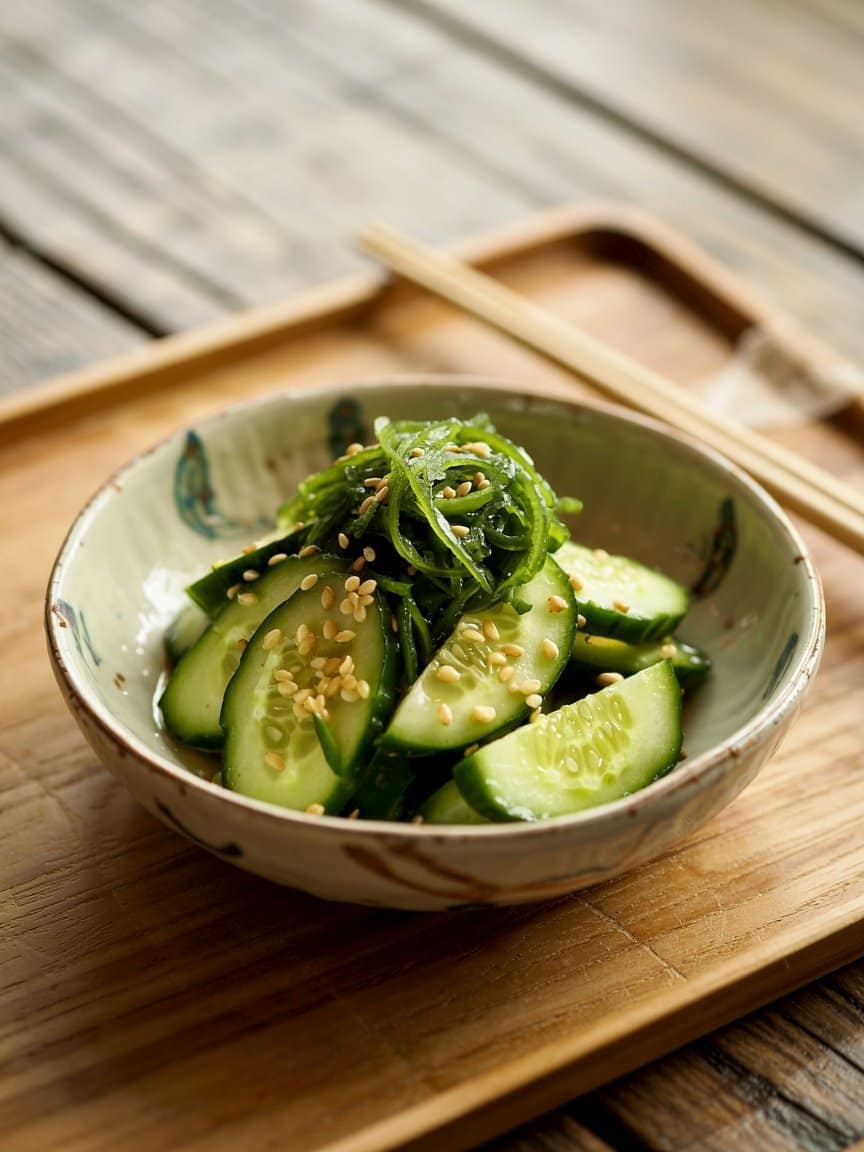
There’s a reason the Japanese cucumber salad recipe (often called sunomono) is a staple on izakaya and family tables across Japan: it’s instantly refreshing, deeply versatile, and the contrast of crisp cucumber against a bright, slightly sweet vinegar dressing wakes up the palate like nothing else. I’ve been a professional chef for many years, and this dish is one I return to again and again — whether as a quick side for a weeknight dinner, a palate cleanser between rich courses, or a cooling component in a summer bento. In this post I’ll walk you through every aspect of making the best Japanese cucumber salad recipe: ingredient choices, step-by-step technique, pro tips, variations, troubleshooting, and serving suggestions. Let’s make this simple classic sing.
What is Japanese Cucumber Salad (Sunomono)?
Sunomono literally means “vinegared things” in Japanese, and the cucumber version is among the most common. The basic idea is thinly sliced cucumbers dressed in a seasoned rice vinegar mixture that balances sweet, tangy, and savory notes. Texturally it’s light and crunchy, and the flavor profile is clean — there’s an elegance in its simplicity. Think of it as a Japanese-style pickled salad that’s quick to make, not heavily fermented, and designed to enhance the main components of a meal rather than overpower them.
Why this Japanese Cucumber Salad Recipe Works
- Texture first: Crispness is everything. Proper salting, slicing, and quick chilling keep the cucumber crunchy rather than soggy.
- Balanced dressing: A good sunomono dressing balances vinegar’s tang with a touch of sugar and a whisper of umami (soy sauce or dashi).
- Speed and flexibility: It takes minutes to prep, can be made a few hours ahead, and welcomes additions like wakame, sesame, or boiled shrimp.
Ingredients — The Chef’s Preferred List
Yields: 4 side-dish servings (adjust easily)
For the salad
- 3–4 medium Japanese cucumbers (kyuri) or 2 English cucumbers / 3–4 Persian cucumbers (about 400–500 g total)
- 1 teaspoon fine sea salt (for drawing moisture)
- Optional: 1–2 tablespoons dried wakame (rehydrated) or 4–6 large cooked shrimp, peeled and halved
For the dressing
- 3 tablespoons rice vinegar (seasoned rice vinegar works too)
- 1 tablespoon mirin (or 1/2 tablespoon sugar + 1/2 tablespoon water if unavailable)
- 1 teaspoon soy sauce (light or regular)
- 1/2 teaspoon toasted sesame oil (optional, for warmth)
- 1 teaspoon toasted white or black sesame seeds, for garnish
- Optional: 1/4 teaspoon freshly grated ginger or a pinch of yuzu zest for aromatic lift
Tools that make the difference
- Mandoline or very sharp knife
- Fine mesh sieve or clean kitchen towel
- Mixing bowl and small whisk
- Plastic wrap or airtight container for chilling
Step-by-Step Preparation
1. Choose and prepare cucumbers
If you can find Japanese kyuri, great — they’re thin-skinned, slightly seedless, and perfectly sized. English cucumbers work too (trim seeds if large). Persian cucumbers are another excellent option. Wash and dry the cucumbers.
You have two slicing choices:
- Very thin rounds (classic): Use a mandoline or a sharp knife to slice about 1–2 mm thick. This classic cut soaks the dressing gently and feels elegant.
- Bias slices or ribbons: Cut on a bias for larger, showier pieces; or use a peeler to make ribbons — great for plating.
2. Salt to draw out excess water
Place the sliced cucumbers in a bowl, toss with 1 teaspoon fine sea salt, and let sit 10–15 minutes. This removes excess moisture and intensifies crunch. You’ll see droplets of liquid forming.
After salting, gently squeeze small handfuls or place slices in a fine mesh sieve and press/drape them with a clean towel to remove the liquid. If using delicate ribbons, the towel method is kinder to the shape.
3. Make the dressing
Whisk together rice vinegar, mirin (or sugar solution), soy sauce, and sesame oil in a small bowl. Taste: it should be bright and slightly sweet with a salty umami note. If you’d like more depth, add 1 teaspoon of dashi (instant dashi powder dissolved in 1 teaspoon warm water) for authentic savory complexity.
4. Rehydrate wakame (optional)
If you’re adding wakame, sprinkle the dried wakame into a bowl of cold water and let sit 5–10 minutes. Drain and squeeze out excess water. Cut into small pieces if needed.
5. Combine and rest
Toss the drained cucumbers with the dressing. If adding wakame or shrimp, fold them in gently. Let the salad sit for 5–10 minutes to marry the flavours — this short rest lets the dressing penetrate while preserving crunch. For a chilled finish, pop the salad into the refrigerator for 10–20 minutes.
6. Finish and serve
Transfer to a serving bowl, sprinkle with toasted sesame seeds and a tiny drizzle of sesame oil if you want a more pronounced nutty aroma. Garnish ideas: thinly sliced scallions, microgreens, or a few shavings of yuzu zest.
Pro Tips & Chef Techniques
- Salt intelligently: Use fine salt so it dissolves and draws moisture evenly without leaving gritty bits. Don’t over-salt; you only need a small amount to draw liquid.
- Timing matters: Don’t let cucumbers sit in salt for longer than 20–25 minutes. They’ll become limp if over-salted.
- Mandoline caution: If you use a mandoline, always use the hand guard. Thin, even slices are easier to dress.
- Drain thoroughly: Excess water dilutes the dressing and makes the salad watery. Squeeze gently but firmly.
- Balance the dressing to your taste: If the dressing tastes too sharp, add a little more mirin or a pinch of sugar. Not sweet? Add a drop more soy sauce or a pinch of salt.
- Toast your sesame seeds: Even a quick 60-second toast in a dry pan transforms flavor.
- Serve cold, but not frozen: Ideally the salad is chilled but not ice-cold. Extreme cold can mute aroma.
- Add acidity layers: A splash of yuzu juice or a few drops of lemon can add freshness and heighten complexity.
- Use chilled bowls: If serving in hot weather, chill the serving bowl for an extra-refreshing presentation.
Variations — Make It Your Own
This Japanese cucumber salad recipe is a perfect base to riff on. Below are several tested variations that keep the spirit of sunomono while offering new textures and flavors.
Classic Wakame Sunomono
Add rehydrated wakame (seaweed) for texture and umami. Often finished with a few cooked, halved shrimp for protein.
Spicy Sunomono
Add 1/2 teaspoon of tobanjan or 1/2 teaspoon of shichimi togarashi to the dressing. For a gentler heat, use a spoonful of finely chopped fresh chili or chili oil.
Sesame Sunomono (Goma-ae Style Hybrid)
Increase sesame elements: replace 1 tablespoon of the dressing with 1 tablespoon of tahini or ground toasted sesame seeds (use a mortar or spice grinder). This makes the salad richer and more substantial.
Miso-Enhanced Dressing
Dissolve 1/2 teaspoon white miso in the vinegar/mirin mixture for an extra layer of savory depth. Whisk until smooth.
Pickled-Style Sunomono (Make-Ahead)
If you like a slightly pickled finish, increase the vinegar to 4 tablespoons and sugar to 2 tablespoons; allow cucumbers to marinate for 2–3 hours or overnight. This version is tangier and more preserved.
Kombu or Yuzu Accent
Add a small strip of kombu to the dressing while it rests (remove before serving) for umami. Or add a teaspoon of yuzu juice/zest for a floral citrus note.
Crunchy Mix-Ins
Add thinly sliced daikon, carrot ribbons, or even thin apple slices for contrasting crunch and sweetness.
Serving Suggestions & Pairings
Japanese cucumber salad is a chameleon — light enough for delicate seafood, crisp enough to cut through fatty fried dishes, and bright enough for rich meat.
- With sushi or sashimi: It works as a palate-cleansing side that doesn’t compete with raw fish.
- Alongside grilled fish: Especially salmon, mackerel, or saba shioyaki (salt-grilled mackerel).
- With tempura: The acidity helps cut through the oil and refresh the mouth between bites.
- As part of a bento: Add a small container of sunomono to balance rice and protein.
- With yakitori: Pairs well with skewers, especially tare-glazed chicken.
- With rice bowls: A small scoop of sunomono alongside donburi adds contrast and texture.
- As a light appetizer: Serve in individual small dishes for a multi-course Japanese-inspired menu.
Make-Ahead & Storage
- Short-term: Keep the salad in an airtight container in the refrigerator for up to 2 days. The cucumbers will slowly soften; consume within 24–48 hours for best texture.
- Pickled version: If you prepare with higher vinegar/sugar (pickling style), it can keep 4–5 days refrigerated.
- Avoid freezing: Freezing ruins the cucumber texture.
- Transport tips: If packing for a lunch, store the dressing separately and toss just before serving to maintain crunch.
Troubleshooting — Common Issues & Fixes
- Cucumbers are soggy: Likely over-salted or left too long to sit. Next time reduce salting time and dry more thoroughly. Use thinner slices and don’t let them sit in dressing for too long before serving.
- Dressing too sharp: Add a touch more mirin or a small pinch of sugar to soften the acidity.
- Dressing too flat: A splash more rice vinegar or a pinch of salt/soy sauce will lift flavors.
- Too salty overall: Dilute with a tablespoon of water and a bit more sugar/mirin; add more cucumber if necessary.
- Lacking umami: Add 1 teaspoon of dashi or a few drops of soy sauce to deepen savory notes.
Health & Nutrition Notes
This dish is inherently light and hydrating. Cucumbers are low in calories and high in water; the dressing adds minimal fat unless you opt heavily for sesame oil. Use moderate soy sauce if watching sodium. Adding wakame increases iodine and minerals; adding shrimp boosts protein.
Cultural Notes & Serving Etiquette
Sunomono is frequently served as a small side dish or pickled accompaniment in Japanese meals. It’s appreciated for its palate-cleansing properties and is often included in kaiseki (multi-course meals) as a transitional course. When plated, small, simple dishes and restrained garnishes respect the principle of wabi-sabi — beauty in simplicity.
A Few Recipe Variants with Exact Proportions (Quick Reference)
- Basic Sunomono (classic)
- 400 g sliced cucumber
- 1 tsp salt
- 3 tbsp rice vinegar
- 1 tbsp mirin
- 1 tsp soy sauce
- 1/2 tsp sesame oil (optional)
- Toasted sesame seeds to finish
- Wakame & Shrimp Sunomono
- Basic recipe plus 1–2 tbsp rehydrated wakame and 4–6 cooked shrimp
- Toss with dressing and rest 10 minutes
- Pickled Sunomono (make-ahead)
- 400 g cucumber
- 1 tsp salt
- 4 tbsp rice vinegar
- 2 tbsp sugar
- 1 tsp soy sauce
- Chill 2–12 hours, serve cold
Flavour Pairing Ideas
- Yuzu & shiso: Bright and floral — great for summer.
- Goma (sesame) & miso: Makes it more savory and satisfying.
- Chili & garlic: For izakaya-style heat — use sparingly to not overpower delicate fish.
- Citrus & fresh herbs: Lemon, lime, or yuzu with thinly sliced shiso or cilantro offers an international twist.
Final Thoughts from the Chef
The Japanese cucumber salad recipe is deceptively simple — but nails the fundamentals (crisp texture, balanced dressing, and clean presentation) and you’ve got a showstopper. It’s a small dish that teaches important kitchen habits: how to coax water out of vegetables without ruining texture, how to layer umami and acidity, and how to make a side that harmonizes a whole meal. Keep the ingredients high-quality, don’t rush the drainage step, and taste the dressing before you toss. Little adjustments — a pinch more vinegar, a splash more mirin, a hint of yuzu — will make the salad uniquely yours.
Japanese Cucumber Salad Recipe
Ingredients
- 3 –4 Japanese cucumbers or English/Persian cucumbers, thinly sliced
- 1 teaspoon fine sea salt
- For the Dressing:
- 3 tablespoons rice vinegar
- 1 tablespoon mirin or 1/2 tablespoon sugar + 1/2 tablespoon water
- 1 teaspoon soy sauce
- 1/2 teaspoon toasted sesame oil optional
- Optional Add-Ins & Garnish:
- 1 –2 tablespoons dried wakame seaweed rehydrated
- 1 teaspoon toasted white or black sesame seeds
- Thinly sliced scallions or grated fresh ginger
Instructions
Slice the cucumbers:
- Wash the cucumbers and slice them very thinly using a sharp knife or mandoline.
Salt and drain:
- Place sliced cucumbers in a bowl, sprinkle with salt, and toss gently. Let sit for 10–15 minutes until moisture is released.
Remove excess liquid:
- Gently squeeze the cucumbers by hand or press them in a sieve to remove excess water. This step ensures a crisp salad.
Prepare the dressing:
- In a small bowl, whisk together rice vinegar, mirin, soy sauce, and sesame oil until well combined.
Combine:
- Add the drained cucumbers to a clean bowl. Pour the dressing over them and toss gently to coat evenly.
Rest and chill:
- Let the salad rest for 5–10 minutes. Chill briefly if desired for extra freshness.
Garnish and serve:
- Sprinkle with sesame seeds and optional garnishes before serving.
Notes
- For extra umami, add rehydrated wakame seaweed or cooked shrimp.
- Adjust sweetness or acidity by tweaking mirin or vinegar amounts.
- Store leftovers in an airtight container in the refrigerator for up to 2 days.
- Avoid freezing; cucumbers lose their crisp texture.
- Best served chilled but not ice-cold for optimal flavour.