
Japanese Candied Sweet Potato Recipe
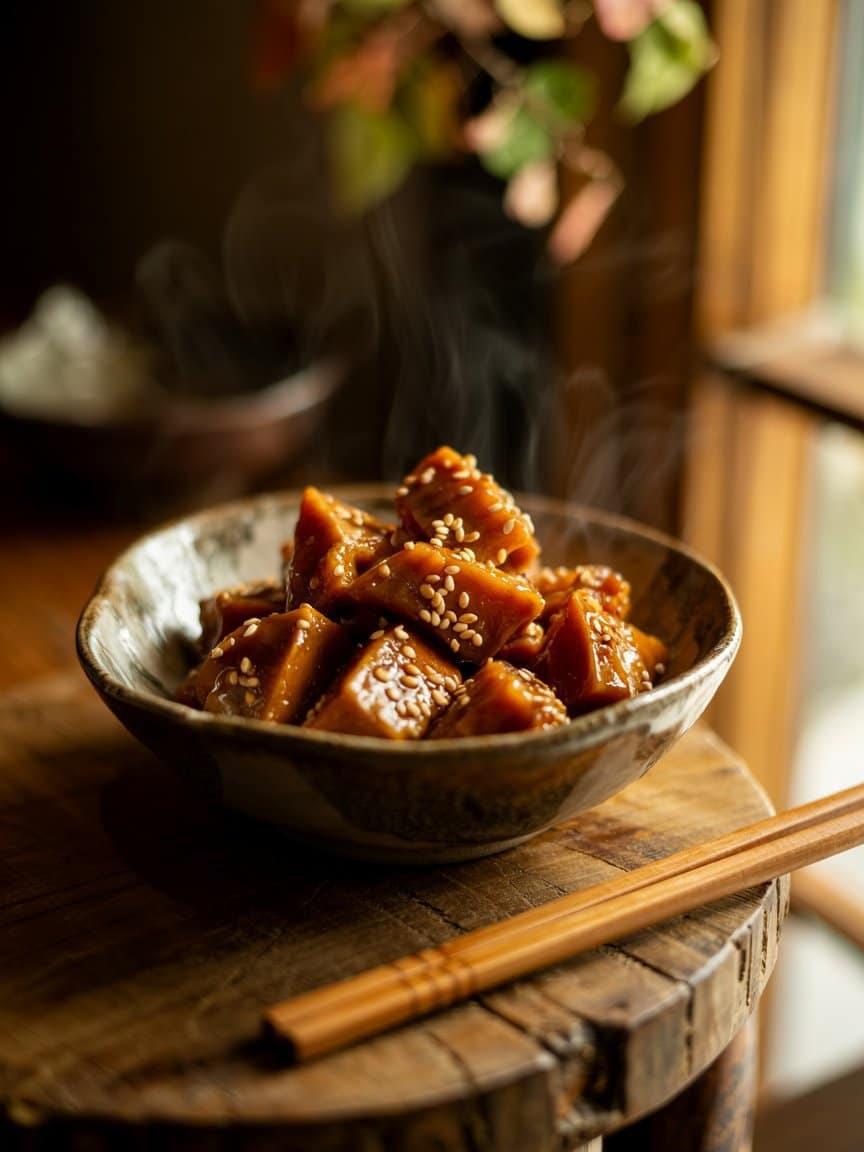
There’s a simple, sticky-sweet comfort in every bite of Japanese candied sweet potatoes — known in Japan as daigaku imo — that makes them addictive: glossy caramel coating, warm tender flesh, and a whisper of salty-sour depth to keep the sweetness honest. In this long-form, chef’s-perspective guide I’ll walk you through a professional, reliable Japanese Candied Sweet Potato Recipe step-by-step, explain the why behind each technique, offer variations and troubleshooting, and give serving and storage advice so you can make perfect candied sweet potatoes every time.
This recipe traces its roots to traditional snacks from Japan, but it’s beloved around the world for its elegant simplicity. Whether you want a nostalgic street-food snack, a side for dinner, or a warm dessert, this post will get you there.
What are Japanese candied sweet potatoes?
Japanese candied sweet potatoes (daigaku imo) are bite-sized pieces of sweet potato coated in a glossy sugar syrup that hardens slightly to give a candy-like exterior. The classic version uses Japanese satsumaimo (a firm, yellow-fleshed sweet potato), sugar (often a combination of granulated sugar and syrup), a touch of soy sauce for umami and color, and toasted sesame seeds for aroma and texture. The final product is shiny, slightly sticky, chewy-edge and tender-inside — perfect warm or at room temperature.
Why this method works (chef’s notes)
- Texture control: Par-cooking the sweet potatoes (steaming or boiling briefly) ensures the interior becomes tender without falling apart during glazing.
- Syrup chemistry: Cooking sugar to a thin caramel stage and then cooling slightly before tossing prevents the pieces from clumping into one candy mass while still producing a glossy coating.
- Balance: A dash of soy sauce and a splash of rice vinegar or lemon juice balances sweetness and deepens flavour, giving the dish complexity beyond pure sugar.
- Finish: Toasted sesame seeds and (optionally) a light sprinkle of flaky salt add aroma, visual contrast, and bite.
Ingredients (makes 3–4 servings as a snack / side)
- 2 pounds (900 g) sweet potatoes — ideally Japanese satsumaimo or any firm, dry sweet potato
- 2–3 tablespoons neutral oil (vegetable, canola, or light olive oil) for frying/roasting (optional, see methods)
- 1/2 cup (100 g) granulated sugar
- 2 tablespoons light brown sugar or honey (optional, for deeper flavor)
- 3 tablespoons water
- 2 tablespoons light corn syrup or golden syrup (helps keep shine; optional)
- 1 tablespoon soy sauce (light or regular)
- 1 teaspoon rice vinegar or freshly squeezed lemon juice
- 1 tablespoon toasted sesame seeds (plus extra for garnish)
- Pinch of flaky sea salt (optional, to finish)
Chef substitution notes:
- If you don’t have corn syrup, extra honey or brown sugar will work, though the sheen will be slightly different.
- For a gluten-free recipe, use tamari instead of soy sauce.
- For a vegan version, avoid honey and use golden syrup or additional brown sugar.
Equipment
- Heavy skillet or non-stick pan (10–12 inch) OR a wok for frying
- Saucepan for syrup (if making separately) OR you can cook syrup in the same skillet after par-cooking the potatoes
- Steamer basket / large pot (if you steam) OR pot for boiling
- Baking sheet lined with parchment (for cooling and drying)
- Tongs or spatula for tossing
- Small bowl for toasted sesame seeds
Choosing the right sweet potato
Pick firm sweet potatoes with smooth skins and minimal bruising. Japanese satsumaimo are ideal because they hold their shape and have a honey-like sweetness and dense texture. Avoid very moist or loose-fleshed varieties that can disintegrate when handled.
Preparation overview (big picture)
- Wash and cut sweet potatoes into evenly-sized pieces (bite or coin-sized).
- Par-cook: steam or briefly boil until just tender. Drain and dry.Fry, roast, or pan-saute to create a lightly browned exterior (optional but recommended).
- Make the sugar glaze until it reaches a shiny, syrupy stage.
- Toss sweet potatoes in the glaze, sprinkle sesame seeds, and allow to set briefly.
- Serve warm or at room temperature.
Step-by-step: Japanese Candied Sweet Potato Recipe (classic stove method)
1 — Prep the potatoes
- Wash and scrub 2 lb sweet potatoes. Leave the skin on for texture and color (you can peel if you prefer).
- Cut into 1–1½ inch chunks or ¾ inch thick coins — consistent pieces cook evenly.
- Place cut potatoes in a bowl of cold water for 10 minutes if they are starchy (this removes surface starch and helps with crisping later). Drain and pat completely dry.
2 — Par-cook (steam for best texture)
- Place a steamer basket in a pot with 1–2 inches of water. Bring to a simmer.
- Add sweet potato pieces to the basket, cover, and steam for 8–12 minutes depending on size. Test with a fork — they should be tender but not falling apart.
- Remove and let steam off for a minute; pat dry with a kitchen towel or paper towel. Dry surfaces are critical so the glaze adheres evenly.
(Alternative: boil in salted water for 6–8 minutes)
3 — Create a bit of color (optional but recommended)
- Heat 2–3 tablespoons neutral oil in a skillet over medium-high heat.
- Add the par-cooked sweet potatoes in a single layer. Don’t overcrowd; work in batches if needed.
- Sauté or shallow-fry until golden brown and slightly crisp at the edges — about 3–5 minutes per side. This step adds caramelized flavor and structure so the glaze doesn’t soak in completely.
- Transfer browned pieces to a parchment-lined baking sheet and keep warm.
(Alternate oven method: toss par-cooked pieces with 1 tablespoon oil, spread on a baking sheet, and roast at 425°F / 220°C for 10–15 minutes until edges brown.)
4 — Make the syrup
- Carefully wipe out the skillet, leaving a few drops of oil if you like (for flavor).
- Add 1/2 cup granulated sugar, 2 tablespoons brown sugar (optional), 3 tablespoons water, and 2 tablespoons corn syrup to the skillet. Stir gently to combine.
- Cook over medium heat, swirling the pan occasionally. The sugar will dissolve and begin to bubble. Watch carefully — sugar can go from pale syrup to burnt quickly.
- When the syrup is a light amber and very glossy (thin caramel stage), immediately add 1 tablespoon soy sauce and 1 teaspoon rice vinegar — it will sputter and bubble up, and you’ll smell a rich aroma. Stir for 15–20 seconds until the mixture thickens slightly.
Chef’s safety note: sugar syrup is extremely hot — handle carefully and keep children away.
5 — Glaze the sweet potatoes
- Reduce heat to low. Add the browned sweet potatoes back into the skillet.
- Toss gently with tongs or a spatula so every piece gets coated in the syrup. Work quickly but gently so the sugar doesn’t crystallize.
- Sprinkle 1 tablespoon toasted sesame seeds and toss once more.
6 — Finish and serve
- Transfer to a serving plate or back onto the parchment-lined sheet to cool.
- Quickly scatter a tiny pinch of flaky sea salt and a few extra sesame seeds for contrast.
- Serve warm or at room temperature. These are best eaten within a few hours but still lovely the next day if stored properly.
Alternate techniques and timing
- No-fry / Oven-only: After par-cooking, toss with oil and roast at 425°F (220°C) until caramelized (10–15 min). Make syrup in a saucepan and toss roasted pieces in the syrup. This is lower-fat and still delicious.
- Deep-fried version: For an authentic street-food crisp, deep-fry par-cooked pieces at 350°F (175°C) until golden, drain, then toss in syrup. This yields a crisper exterior.
- Make-ahead syrup: You can make the syrup and keep it warm over low heat, but best results come from glazing right before serving so the coating remains shiny.
- Batch size: Double the recipe by working in batches for browning and glazing; don’t overcrowd the pan.
Flavour variations
- Honey & yuzu: Replace corn syrup with 2 tbsp honey, add 1 tsp yuzu juice or zest for citrus brightness. Finish with toasted white sesame seeds.
- Miso caramel: Whisk 1 teaspoon white miso into the syrup for savory-sweet depth — reduces sugar perception and adds umami.
- Maple & pecan: Substitute maple syrup for corn syrup and toss with toasted pecans for a North-American twist.
- Spiced: Add 1/2 teaspoon ground ginger and a pinch of cayenne to the syrup for warmth and subtle heat.
- Chestnut & matcha: Pair small candied sweet potatoes with candied chestnuts and a dusting of matcha powder for an autumnal dessert.
Serving suggestions and pairings
- With tea: Serve as a snack with hot green tea (sencha) or hojicha; the astringency of green tea cuts the sugar.
- Dessert bowl: Scoop vanilla or sesame ice cream, place 3–4 candied sweet potatoes on top, drizzle extra syrup and sprinkle toasted sesame.
- Breakfast: Add to oatmeal or yogurt with a little extra syrup and roasted nuts.
- Savory pairing: Serve alongside grilled fish or pork to bring a sweet counterpoint to umami-forward mains.
- Presentation: Use a small shallow bowl, sprinkle toasted black and white sesame seeds, and finish with micro-mint or shiso leaf for color contrast.
Storage, reheating, and make-ahead
- Short-term: Store at room temperature in an airtight container for up to 12 hours — the coating will remain shiny but slightly firm.
- Refrigeration: Refrigerate for up to 3 days. Re-crisp by warming in a 350°F (175°C) oven for 5–8 minutes; the syrup may melt then re-set into a glossy coat.
- Freezing: Not recommended — freezing breaks texture and syrup becomes grainy.
- Make-ahead tips: Par-cook and brown sweet potatoes up to a day ahead; store chilled and reheat briefly before glazing. Make syrup just before serving for best gloss and texture.
Troubleshooting (common problems and fixes)
- Syrup crystallizes / becomes grainy: Sugar crystallization happens when undissolved sugar or agitation causes crystals to form. Fix: remove pan from heat, add a tablespoon of water and a squeeze of lemon juice, gently swirl to dissolve crystals, then return to heat briefly to re-liquefy. Also use a clean brush dipped in water to wash down any sugar crystals from the pan edges during cooking.
- Coating is dull, not glossy: The syrup may have cooled too much before tossing. Rewarm gently and toss quickly. Adding a small amount of corn syrup or honey helps keep a glossy finish.
- Sweet potatoes fall apart: They were over-steamed/boiled. Next time shorten par-cook time; you want tender but still holding shape.
- Too sweet / one-dimensional: Add a pinch more soy sauce or a splash of rice vinegar to cut through the sweetness.
- Clumping into one mass: Work in smaller batches and toss gently. Stirring too much while syrup is very hot encourages pieces to stick together.
Nutrition snapshot (approximate per serving, 4 servings)
- Calories: ~280–360 kcal (depends on oil and honey usage)
- Carbs: 50–60 g
- Fat: 6–10 g
- Protein: 2–3 g
These are rough estimates. Sweet potatoes are a great source of fiber, vitamin A, and potassium — the candy coating adds calories, so adjust portions accordingly.
Frequently asked questions
Q: Can I use regular potatoes?
A: You can, but they won’t have the same sweetness or texture. Sweet potatoes are ideal because their natural sugars caramelise alongside the syrup.
Q: Can I make this vegan?
A: Yes — skip honey and use corn or golden syrup, or extra brown sugar.
Q: Is this the same as caramelised sweet potatoes in other cuisines?
A: It’s similar in concept, but daigaku imo often uses soy sauce for umami and a thin, glossy coating with sesame seeds — that combination gives it a distinct Japanese profile.
Q: How do I get extra gloss?
A: Add a small amount of corn syrup or honey and avoid overcooking the syrup. Work quickly when tossing.
Final chef tips for maximum success
- Keep sweet potato pieces uniform — it makes timing predictable.
- Dry surfaces = better caramelization. Pat them completely dry after steaming.
- Watch your sugar closely — caramel moves fast. Use medium heat and stay attentive.
- Toast sesame seeds in a dry pan until aromatic — they add a big aromatic pop.
- Serve warm: texture and flavor are at their peak.
Closing thoughts
The Japanese Candied Sweet Potato Recipe is a wonderful demonstration of how a few humble ingredients and careful technique can produce something both nostalgic and refined. It’s a flexible recipe that rewards small experiments — a dash of miso, a wedge of citrus, or a swap to maple can create new flavour profiles while keeping the comforting heart of the dish intact.
Japanese Candied Sweet Potato Recipe
Ingredients
For the Sweet Potatoes
- 2 medium Japanese sweet potatoes about 350–500 g, cut into bite-sized chunks
- Water for soaking
- 1 pinch salt
- Vegetable oil for frying or sauteing
For the Candied Glaze
- 60 g granulated sugar
- 1½ tablespoons mirin or honey as substitute
- ½ tablespoon water
- ½ teaspoon soy sauce
- ½ teaspoon rice vinegar
- ½ teaspoon black sesame seeds or white sesame seeds
- These ingredients create the classic glossy candy coating that defines traditional Japanese candied sweet potatoes.
Instructions
Step 1: Prepare the Sweet Potatoes
- Wash the sweet potatoes thoroughly and scrub the skins clean. Cut them into evenly sized bite-sized chunks or wedges. Keeping the skin on helps maintain structure and adds flavour.
Step 2: Soak the Potatoes
- Place the cut sweet potatoes in a bowl of cold water and soak them for about 10 minutes. This removes excess starch and prevents discoloration during cooking.
Step 3: Drain and Dry
- Drain the potatoes and pat them completely dry using a paper towel. Removing moisture helps them fry or saute more evenly.
Step 4: Cook the Sweet Potatoes
- Heat vegetable oil in a frying pan over medium heat. Add the sweet potato pieces and cook until they are golden brown on the outside and tender inside, about 8–10 minutes. Turn them occasionally to ensure even cooking.
Step 5: Prepare the Candy Glaze
- In a small pan or the same skillet, combine:
- sugar
- mirin
- water
- Heat the mixture over medium heat until the sugar dissolves and begins to bubble. Stir occasionally until it forms a slightly thick syrup.
Step 6: Add Flavour
- Stir in the soy sauce and rice vinegar. These ingredients balance the sweetness and add depth to the glaze.
Step 7: Coat the Sweet Potatoes
- Add the cooked sweet potatoes into the syrup. Quickly toss them to coat each piece evenly with the caramel glaze.
Step 8: Finish with Sesame Seeds
- Sprinkle sesame seeds over the glazed sweet potatoes and gently mix.
Step 9: Cool Slightly
- Transfer the coated sweet potatoes onto parchment paper or a non-stick tray. Let them sit for 5–10 minutes so the glaze can set into a glossy candy coating.
Step 10: Serve and Enjoy
- Serve warm or at room temperature as a snack, dessert, or side dish.
Notes
- Cooking Tips
- Cut sweet potatoes into evenly sized pieces to ensure consistent cooking.
- Do not overcook the syrup; caramel can burn quickly.
- Add vinegar to prevent the sugar glaze from crystallizing.
- Variations
- Add honey or maple syrup for deeper sweetness.
- Use white sesame seeds or a mix of black and white for visual contrast.
- Sprinkle a small pinch of sea salt for a sweet-and-salty flavour.
- Storage Tips
- Best eaten the same day for the best texture.
- Store leftovers in an airtight container in the refrigerator for 2–3 days.
- Reheat in the oven or skillet to revive the caramel coating.