
Greek Yogurt Protein Muffins Recipe
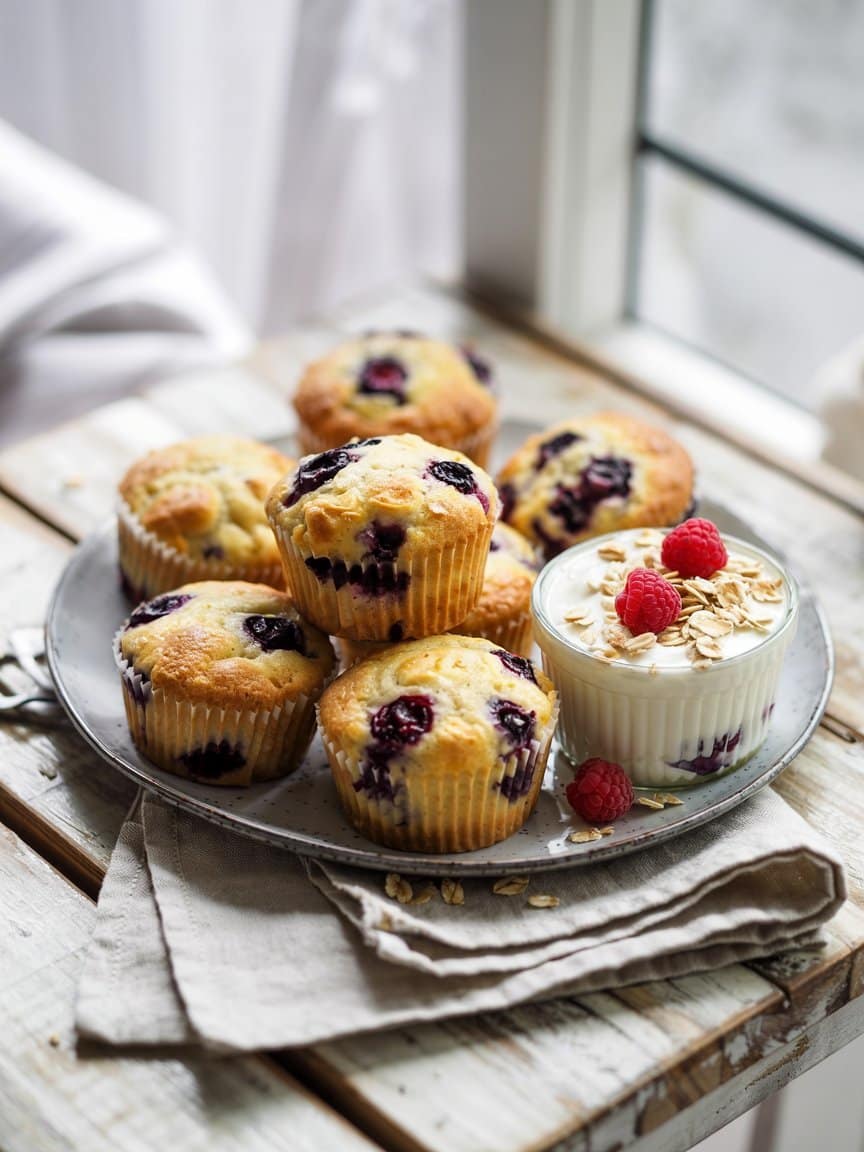
If you love muffins but want something that’s portable, satisfying, and actually gives you a protein boost for breakfast, post-workout, or a mid-afternoon snack, these Greek Yogurt Protein Muffins are exactly what you need. As a professional chef who’s tested dozens of variations, I’ll walk you through a fully detailed, kitchen-tested recipe plus technique notes, troubleshooting, storage, and creative variations so you can make perfect muffins every time.
This long-form guide covers every angle — ingredients and why they matter, step-by-step instructions, pro tips, high-protein swaps, dietary adaptations, presentation and serving ideas, batch-cooking and freezing strategies, and answers to common problems. By the time you finish this post you’ll know how to customise the recipe to your pantry, flavour mood, and nutrition goals.
Why Greek Yogurt in Muffins?
Greek yogurt is a superstar ingredient for muffins because it:
- Adds creaminess and moisture without needing much oil or butter.
- Increases protein naturally, especially if you choose a high-protein Greek yogurt.
- Improves texture — Greek yogurt contributes to a tender crumb and higher rise when balanced with leaveners.
- Enhances flavor — a subtle tang that complements fruits, chocolate, spices, and citrus.
- Keeps muffins fresher for longer because of the moisture and acidity.
When you combine Greek yogurt with a protein powder or other high-protein flours (e.g., cottage-cheese-based batters, ricotta, whey protein, or nut flours), you get a portable, nutritious treat that actually sustains you.
What makes these protein muffins different?
Simple muffins: flour, sugar, fat, egg, milk. Protein muffins: replace part of the flour and fat with higher-protein ingredients and use Greek yogurt as a primary wet component. Common additions include:
- Whey or plant protein powder
- Greek yogurt (obviously)
- Eggs (whole or whites)
- Nut flours (almond, peanut) or skinned legume flours
- Cottage cheese or ricotta (in other variations)
The goal is to increase protein per serving while keeping a pleasing texture and flavor. That balance is where technique matters.
Recipe — Classic Greek Yogurt Protein Muffins (yields 12)
This is the base recipe I use and adapt. It’s flexible and forgiving.
Ingredients
- 1½ cups (about 150–165 g) oat flour* (see notes for alternatives)
- ½ cup (about 60–70 g) vanilla whey protein powder (or vegan vanilla pea/rice blend)
- 2 tsp baking powder
- ½ tsp baking soda
- ¼–⅓ cup (50–70 g) brown sugar or coconut sugar (adjust to taste) — or ⅓ cup honey/maple syrup (liquid sweetener, see notes)
- ½ tsp fine sea salt
- 2 large eggs, room temperature (or 3 large egg whites + 1 whole egg for lower fat)
- 1 cup (240 g) plain Greek yogurt — full-fat or 2% — room temperature
- ⅓ cup (80 ml) milk (dairy or plant)
- 2 tbsp neutral oil (canola, sunflower) or melted coconut oil; or 2 tbsp melted butter
- 1 tsp pure vanilla extract
- 1 cup fresh or frozen berries OR ½ cup chocolate chips OR 1 mashed banana (optional add-ins)
*If you don’t have oat flour, you can blend rolled oats in a food processor to make oat flour. Or use 1½ cups all-purpose flour or 1 cup whole wheat + ½ cup oat flour — see substitution section.
Equipment
- Standard 12-cup muffin tin (for mini muffins, use a mini tin and reduce baking time)
- Muffin liners or nonstick spray
- Large mixing bowl and medium bowl (or stand mixer)
- Whisk and rubber spatula
- Measuring cups and spoons
- Cooling rack
Yield: 12 standard muffins
Baking temperature & time: 350°F (175°C) for 18–22 minutes (check for doneness). If your oven runs hot, 325°F (163°C) is a gentler alternative.
Step-by-step method (chef’s approach)
- Preheat the oven & prepare pan. Preheat to 350°F (175°C). Line a 12-cup muffin tin with liners or lightly grease each cup. For slightly taller muffins, preheat the pan in the oven for 3 minutes then add batter (advanced trick).
- Dry ingredients. In a large bowl, whisk together the oat flour, protein powder, baking powder, baking soda, sugar, and salt. Whisking breaks up lumps and ensures even distribution of leavening so muffins rise uniformly.
- Wet ingredients. In another bowl, whisk the eggs until lightly frothy, then whisk in Greek yogurt, milk, oil, and vanilla until smooth. The eggs and yogurt should be near room temperature for best incorporation.
- Combine gently. Pour the wet mixture into the dry ingredients. Fold with a rubber spatula until just combined. The batter will be thick. Avoid vigorous stirring — overmixing develops gluten (if you’re using wheat flour) and can make muffins tough or gummy, and it can deflate the air that helps them rise.
- Add mix-ins. Gently fold in berries, chocolate chips, or mashed banana. If using frozen berries, toss them first with a teaspoon of flour to prevent color bleed and sinking.
- Fill tins. Divide the batter into the 12 muffin cups, filling about 3/4 full. For even tops, use an ice cream scoop. Smooth the tops slightly.
- Optional topping. Sprinkle a few oats, coarse sugar, or chopped nuts on top for texture and bakery-style presentation.
- Bake. Bake at 350°F for 18–22 minutes. Start checking at 16 minutes if your oven is fast. Muffins are done when tops are golden and spring back lightly, or a toothpick inserted into the center comes out with a few moist crumbs (not raw batter).
- Cool. Cool muffins in the pan for 5–7 minutes, then transfer to a cooling rack. This stops carryover cooking and prevents sogginess.
- Storage. Store cooled muffins in an airtight container in the refrigerator (Greek-yogurt muffins are moist and keep better chilled) for up to 5 days. See storage section for freezing.
Ingredient notes & why I use them
Oat flour: Gentle flavor, naturally slightly sweet, pairs well with yogurt and protein. Oat flour helps keep things tender and makes the muffins more wholesome. If you want a lighter crumb, substitute half with all-purpose flour.
Protein powder: Adds protein and structure. Whey blends well for a light texture and mild flavour. Plant proteins (pea, rice) can be used but may give a denser crumb and a sharper aftertaste; use vanilla flavours to mask it and add a tablespoon of milk to improve moisture if batter seems dry.
Greek yogurt: The star! Provides protein and moisture. Full-fat yields richer flavor; 2% is a good middle ground.
Leaveners: Baking powder and a bit of baking soda balance the yogurt’s acidity and ensure rise. Don’t skip both.
Eggs: Bind and add lift. For lower fat or slightly higher protein, use more egg whites, but remember whole eggs add flavour and richness.
Fat (oil/butter): Keep muffins tender. Because yogurt adds moisture, you only need a tablespoon or two.
Sugar: Adjust to taste. You can reduce sugar or replace part with mashed banana, applesauce, or a natural syrup. If using liquid sweetener, reduce the milk slightly to keep batter consistency.
Pro technique tips (what I do differently as a chef)
- Room temperature ingredients: Eggs and yogurt incorporate easier and trap air better. Cold ingredients can make batter lumpy.
- Do not over-mix: Fold until just combined. A few streaks of flour are fine.
- Scoop batter with an ice-cream scoop: Ensures uniform muffins and predictable bake times.
- Resting the batter: Letting batter rest 10–15 minutes can hydrate flours (especially oat flour) and reduce dryness; it also helps the protein powder absorb moisture, improving texture.
- Add a steaming trick for higher dome: Place a shallow pan of hot water on the oven bottom while baking (creates steam). This is optional and mostly used in professional bakeries — not necessary for home perfection.
- Oven calibration: If your muffins burn or underbake, check your oven with an inexpensive oven thermometer — many home ovens are off by 10–25°F.
Flavour variations & swaps (tested and tasty)
These keep the core Greek Yogurt Protein Muffins idea but change flavour profile.
- Blueberry-Lemon: Add 1 cup blueberries and the zest of 1 lemon. Replace vanilla protein powder with plain or keep vanilla and add 1 tsp lemon extract for extra zing.
- Banana Nut Protein Muffins: Use 1 large ripe mashed banana in place of ⅓ cup of sugar (or in addition), add ½ cup chopped walnuts, and ½ tsp cinnamon.
- Chocolate Peanut Butter: Use chocolate protein powder, fold in ½ cup mini chocolate chips, and swirl 2 tbsp peanut butter into the batter before baking.
- Cinnamon Apple: Fold in 1 cup finely diced apple and 1 tsp cinnamon + pinch nutmeg. Toss apples with 1 tsp flour so they don’t sink.
- Savory Herb & Cheese (Greek yogurt still works): Omit sugar, use 1 cup grated cheddar or feta, 1 tbsp chopped fresh chives/parsley, 1 tsp Dijon mustard, and reduce vanilla. These are great warm.
- Gluten-free: Use a gluten-free oat flour and a gluten-free protein powder. Add 1–2 tbsp tapioca starch if batter seems dense.
- Vegan-ish dairy-free: Use a thick coconut or soy yogurt + vegan protein powder + flax egg substitute (1 tbsp flaxseed + 3 tbsp water per egg) — texture will differ, and you may need a bit more fat (add 2–3 tbsp oil).
Troubleshooting & fixing common problems
Problem: Muffins are dense or gummy.
- Cause: Over mixing, too much protein powder, too much liquid, or under baked.
- Fix: Mix gently; if using lots of protein powder, reduce by 1–2 tbsp or add an extra egg white; bake a few minutes longer and test. Consider adding 2–4 tbsp flour to lighten density next batch.
Problem: Muffins sink in the middle.
- Cause: Under baked, opening the oven door too early, too much leavening, or overfilled cups.
- Fix: Bake until a toothpick shows moist crumbs. Avoid opening the oven first 12–15 minutes. Reduce filling to ⅔ full.
Problem: Crumb is dry.
- Cause: Overbaking or not enough fat/liquid.
- Fix: Reduce bake time slightly, add another tablespoon of oil or 2 tbsp milk next batch, or fold in an extra moist add-in like banana.
Problem: Tops crack badly.
- Not necessarily bad — a cracked top is common in protein-rich batters. To reduce: bake a little cooler (325°F) for a longer time.
Problem: Batter too thick to stir / too thin & runny.
- Thick: Add 1–2 tbsp milk. Thin: Add 1–2 tbsp flour or 1 tbsp protein powder.
Problem: Sticking to liner.
- Cause: Low fat or high sugar and not cooled.
- Fix: Chill muffins slightly before removing liners, or grease tin and skip liners.
Baking variations (scaling & shaping)
- Mini muffins: Bake 10–12 minutes at same temp. Perfect for snacks and portion control.
- Muffin tin to loaf: Pour batter into a greased 8×4 loaf pan; bake 40–55 minutes at 350°F. Cover with foil if top browns too fast.
- Doubling the recipe: Use two pans and rotate halfway through baking. Keep batter in the fridge while you prepare the second pan if you need to.
Storage, refrigeration, and freezing
Room temperature: Because of the dairy (Greek yogurt), store in an airtight container in the fridge. At room temp (covered) they’ll keep 12–24 hours; refrigeration extends shelf life.
Refrigerator: Store up to 4–5 days in an airtight container. Wrap individually in plastic wrap for portability.
Freezing: Cool completely. Wrap individually in plastic and place in a freezer bag. Freeze for up to 3 months. To reheat, thaw at room temp or microwave for 25–45 seconds (depending on microwave) from frozen or thawed.
Reheating tips: Warm in a toaster oven (middle rack, 300°F for 5–8 minutes) or microwave briefly to restore softness. Adding a small dot of butter or a smear of nut butter enhances flavour.
Nutrition & portioning (guidance, not exact medical data)
Nutrition will depend heavily on your choice of protein powder, type of Greek yogurt, fat used, and any add-ins. As a general ballpark for a standard muffin from this recipe (assuming 12 muffins):
- Calories: roughly 160–260 kcal per muffin (varies by add-ins and ingredients)
- Protein: roughly 10–18 g per muffin (higher if you use a heavier protein powder and extra egg whites)
- Fat: 4–10 g depending on oil/butter and yogurt fat content
- Carbohydrates: 15–28 g depending on flour and sweetener
If you need precise macros, plug your exact ingredients into a nutrition calculator or app and divide by the number of muffins. Labels and protein powders vary a lot; always check for allergens and additives.
Make-ahead & meal-prep ideas
- Breakfast bowls: Pair a warmed muffin with a hard-boiled egg and a piece of fruit for a balanced meal.
- Muffin tin meal-prep: Make a double batch and freeze. Grab 1–2 muffins in the morning with yogurt or cottage cheese.
- Snack packs: Pack one muffin with a small container of nut butter for dipping — great for school/work lunches.
Presentation & serving suggestions
- Serve slightly warm with a smear of butter, Greek yogurt, or nut butter.
- Split and toast lightly; add sliced banana and a drizzle of honey.
- For brunch: create a savory board with cheese, roasted vegetables, and cut muffins.
- For gifting: place 2–4 muffins in a parchment-lined box with a ribbon — they look homey and feel thoughtful.
Frequently asked questions
Q: Can I use plain Greek yogurt vs. flavoured?
A: Plain is best because flavoured varieties add sugar and can alter the flavour balance. If you use a vanilla yogurt, reduce added sweetener.
Q: Can I make these dairy-free?
A: Yes — use a thick dairy-free yogurt (soy or coconut), vegan protein powder, and a flax egg. Expect a different texture and possibly a need for extra fat.
Q: My protein powder makes things chalky. Any fix?
A: Try a different protein blend (whey isolates tend to bake better than some plant proteins) or reduce powder by 2 tbsp and replace with 2 tbsp oat flour. Also allow batter to rest 10 minutes so powders hydrate.
Q: Can I use all-purpose flour?
A: Yes. If you use all-purpose, use 1½ cups AP flour and drop the oat flour callout. Expect a different texture — lighter crumb but less oat flavour.
Final chef’s tips (quick list that wins batches)
- Use room-temperature ingredients.
- Fold not beat.
- Use an ice-cream scoop for uniform muffins.
- Rest the batter 10–15 minutes if using oat flour/protein powder.
- Spray or line tins to avoid sticking.
- If adding fruit, toss with a teaspoon of flour first.
- Chill extra muffins individually for grab-and-go mornings.
Closing thoughts
These Greek Yogurt Protein Muffins are a dependable template: versatile, nutritious, and adaptable to your pantry and dietary preferences. Whether you’re aiming for higher protein after a workout, a wholesome school snack, or a portable breakfast, this recipe gives you a thoughtful starting point plus dozens of chef-tested variations. The real joy is experimenting — swap flavours, tweak texture with small changes, and you’ll land on your perfect version. If you’d like, I can convert this into a printable recipe card or give you three more flavour-specific recipes (e.g., Honey-Lemon Blueberry, Chocolate PB, and Savory Herb & Feta) ready to bake — tell me which one you want and I’ll write it up.

Greek Yogurt Protein Muffins Recipe
Ingredients
Dry Ingredients:
- 1½ cups oat flour or all-purpose flour
- ½ cup vanilla protein powder whey or plant-based
- 2 teaspoons baking powder
- ½ teaspoon baking soda
- ¼ –⅓ cup brown sugar or coconut sugar adjust to taste
- ½ teaspoon fine sea salt
Wet Ingredients:
- 2 large eggs room temperature
- 1 cup plain Greek yogurt full-fat or 2%
- ⅓ cup milk dairy or plant-based
- 2 tablespoons neutral oil or melted butter
- 1 teaspoon pure vanilla extract
Optional Add-Ins (choose one):
- 1 cup fresh or frozen blueberries
- ½ cup chocolate chips
- 1 mashed ripe banana
- ½ cup chopped nuts
Instructions
Step 1: Preheat the Oven
- Preheat oven to 350°F (175°C). Line a 12-cup muffin tin with paper liners or lightly grease with nonstick spray.
Step 2: Mix Dry Ingredients
- In a large mixing bowl, whisk together oat flour, protein powder, baking powder, baking soda, sugar, and salt until evenly combined.
Step 3: Combine Wet Ingredients
- In a separate bowl, whisk eggs until slightly frothy. Add Greek yogurt, milk, oil, and vanilla extract. Mix until smooth and creamy.
Step 4: Combine Wet and Dry Mixtures
- Pour the wet ingredients into the dry ingredients. Gently fold with a spatula until just combined. Do not over mix; the batter should be thick but scoopable.
Step 5: Add Mix-Ins
- Fold in your choice of blueberries, chocolate chips, mashed banana, or nuts. Stir gently to distribute evenly.
Step 6: Fill Muffin Cups
- Divide the batter evenly among the 12 muffin cups, filling each about ¾ full.
Step 7: Bake
- Bake for 18–22 minutes, or until the tops are golden and a toothpick inserted into the center comes out with a few moist crumbs.
Step 8: Cool and Serve
- Allow muffins to cool in the pan for 5 minutes, then transfer to a wire rack to cool completely. Serve warm or at room temperature.
Notes
- Do not over mix the batter to keep muffins soft and tender.
- If using frozen berries, toss them lightly in flour before folding into the batter to prevent sinking.
- For extra protein, replace one whole egg with two egg whites.
- Store muffins in an airtight container in the refrigerator for up to 5 days.
- Freeze individually wrapped muffins for up to 3 months. Reheat in the microwave for 30–40 seconds.
- For a healthier version, reduce sugar and sweeten naturally with mashed banana or honey.