
Gorgonzola Truffle Cream Sauce Recipe
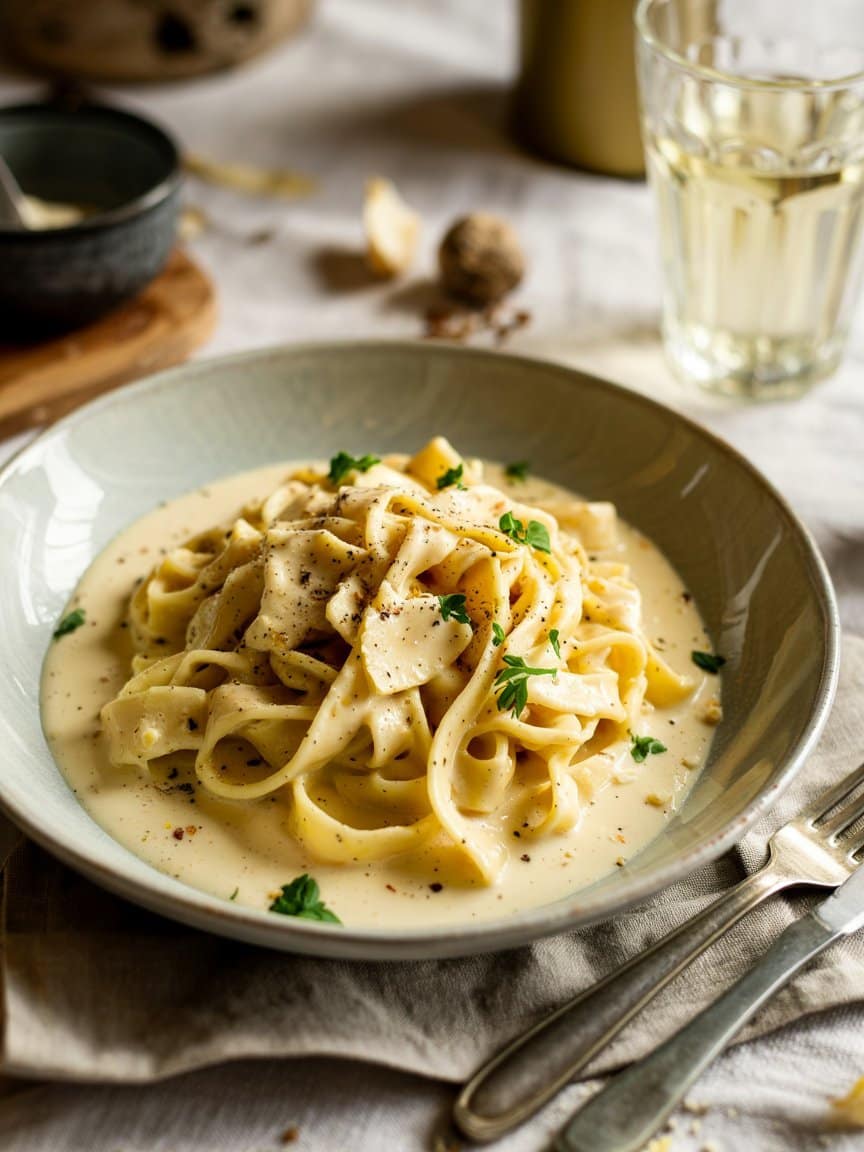
If you love rich, indulgent sauces with a hint of luxury, you’re in the right place. This Gorgonzola Truffle Cream Sauce Recipe brings together the earthy perfume of truffles and the bold, tangy creaminess of Gorgonzola into one silky, velvety sauce that elevates pasta, steak, chicken, and roasted vegetables. In this in-depth guide I’ll walk you through everything: ingredients, equipment, step-by-step preparation, chef tips, variations (including lighter and vegetarian/vegan options), serving suggestions, make-ahead and storage advice, and troubleshooting — so you can make this sauce like a pro.
Why this sauce works
Gorgonzola is an Italian blue cheese with a salty, tangy, and slightly nutty profile that melts beautifully. When paired with cream, the result is a luscious mouthfeel. Truffle — whether fresh, shaved, or in oil — contributes a rounded, forest-floor aroma that makes the sauce feel decadent without adding sharpness. Combined, they create a complex sauce that’s simultaneously robust and elegant.
What you’ll need (Ingredients)
The ingredient list below is sized to make about 3 cups of sauce — enough for 4 to 6 servings of pasta, or to generously top 4 steaks or a few roasted vegetables.
- 2 tablespoons unsalted butter
- 1 tablespoon neutral oil (grapeseed, canola) or extra butter if preferred
- 1 small shallot, very finely minced (about 2 tablespoons)
- 2 cloves garlic, finely minced
- 1/2 cup dry white wine (optional but recommended)
- 1 1/2 cups heavy cream (35% fat) — for a lighter sauce, see variations
- 4 oz (115 g) Gorgonzola dolce or Gorgonzola piccante, crumbled (use dolce for milder, piccante for stronger flavor)
- 1–2 teaspoons truffle oil OR 1–2 tablespoons finely shaved fresh truffle (if available) — see notes below
- 1/4 teaspoon freshly ground black pepper, plus more to taste
- Pinch of freshly grated nutmeg (optional, but recommended)
- 1/2 teaspoon kosher salt, or to taste (Gorgonzola is salty — start light)
- 1–2 tablespoons finely chopped fresh parsley or chives for finishing
- Optional finishing: 1–2 tablespoons unsalted butter (cold, for mounting at the end)
Notes on quantities: Adjust cheese and truffle to taste. If you prefer a more pungent sauce, increase the Gorgonzola by 1–2 oz. If your Gorgonzola is very salty, reduce added salt.
Equipment
- Medium saucepan or wide, heavy skillet (10–12 inch) with a lid
- Wooden spoon or heatproof silicone spatula
- Fine grater for nutmeg (if using)
- Microplane or sharp knife for shaving truffle (if using)
- Whisk (optional)
- Ladle (if serving over pasta)
Step-by-step preparation
This is a straightforward sauce, but technique matters. The following steps emphasize building flavor and keeping the sauce silky.
1. Prep everything first
Mise en place will save you time. Mince the shallot and garlic finely. Crumble the Gorgonzola so it melts evenly. Measure the cream and wine. If you have fresh truffle, shave it thinly and set aside a few shavings for finishing.
2. Gently soften aromatics
Heat the butter and oil in your pan over medium heat. Add the minced shallot and sweat for 2–3 minutes until translucent but not browned. Add the garlic and cook for 30–45 seconds until fragrant. Don’t rush this step; it’s where gentle sweetness and aroma develop.
3. Deglaze with wine (optional)
Add the white wine and increase heat slightly to bring to a simmer. Scrape the pan to lift any fond (browned bits). Let the wine reduce by about half — usually 2–3 minutes. This concentrates flavor and removes raw alcohol. If you skip wine, a splash of chicken or vegetable stock works, or simply proceed with cream.
4. Add cream and reduce
Lower the heat to medium-low and pour in the heavy cream. Stir and bring to a gentle simmer. Allow the cream to reduce slightly, 4–6 minutes. You want it to thicken enough to coat the back of a spoon, but don’t let it boil vigorously — cream can separate if overheated.
5. Melt in the Gorgonzola
Turn the heat to low. Add the crumbled Gorgonzola a handful at a time, stirring constantly until melted and fully incorporated. Use a whisk or silicone spatula to smooth any lumps. The sauce should be glossy and homogeneous.
6. Season and add truffle
Add the freshly ground black pepper and pinch of nutmeg. Taste carefully and add salt only if needed. Now add truffle flavor: if using truffle oil, start with 1/2 teaspoon, stir, taste, then add more if desired — truffle oil is potent. If using fresh shaved truffle, fold it in now for cooking aroma and save a few shavings for garnish. If using truffle butter, add it now for richness.
7. Mount with cold butter (optional)
For a silkier finish, remove the sauce from heat and whisk in 1–2 tablespoons of cold unsalted butter, cubed. This enriches the sauce and gives it a glossy sheen.
8. Finish with herbs and serve
Stir in chopped parsley or chives for freshness. Serve immediately over pasta, steak, roasted mushrooms, or gnocchi.
Timing guide
- Prep: 10–15 minutes
- Cooking: 12–20 minutes
- Total: 22–35 minutes
If you’re serving pasta, time the sauce so it’s ready when the pasta finishes cooking — toss pasta directly in the sauce over low heat with a splash of starchy pasta water to marry flavors.
Chef tips and techniques
- Choose your Gorgonzola wisely. Gorgonzola dolce melts into a creamier, milder sauce. Gorgonzola piccante is sharper and more assertive. For a first try, I recommend dolce or a 50/50 blend of dolce and piccante.
- Control salt carefully. Blue cheese adds salt; taste before adding extra. If your cheese is very salty, offset with a squeeze of fresh lemon to brighten rather than more salt.
- Low and slow is your friend. Avoid boiling the cream at high heat — slow simmering prevents separation and keeps the texture silky.
- Use high-quality truffle ingredients. Fresh truffle is obviously luxurious, but most home cooks will rely on truffle oil or truffle butter. Look for truffle oil that uses real truffle extract and minimal emulsifiers. If you use oil, add it off heat and go light — it’s easy to overpower the sauce.
- Acidity brightens. A teaspoon of lemon juice or a tablespoon of white wine vinegar added at the end can lift the sauce if it feels too heavy.
- Pasta water is magic. If serving with pasta, reserve 1 cup of the pasta cooking water. Adding a tablespoon or two helps the sauce cling to pasta and smooths texture.
- Texture control. If the sauce looks grainy, gently whisk in a splash of warm cream or stock over low heat. If it breaks (separates), remove from heat and whisk in a tablespoon of cold butter to re-emulsify.
Serving suggestions and pairings
This Gorgonzola Truffle Cream Sauce Recipe is versatile. Here are classic pairings and serving ideas:
- Pasta: Tagliatelle, pappardelle, fettuccine, or rigatoni. Toss hot pasta with sauce and a tablespoon of pasta water. Finish with cracked black pepper and shaved truffle.
- Gnocchi: Potato or ricotta gnocchi soak up the sauce wonderfully.
- Steak or pork chops: Spoon over a grilled ribeye, sirloin, or a thick pork chop for a rich sauce complement.
- Chicken: Pan-seared chicken breasts or thighs benefit from the pungent cheese and truffle aroma.
- Roasted mushrooms or root vegetables: Serve as a drizzle or dipping sauce for roasted mushrooms, beets, or asparagus.
- Polenta: Creamy polenta topped with this sauce makes a cozy, upscale base.
- Crostini or bruschetta: Spread a thin layer on toasted bread for a luxurious appetizer (keep portion small — it’s rich).
Wine pairings: For a wine to match this sauce, choose something with enough acidity and structure to cut richness: an unoaked Chardonnay, a dry Riesling, a light Barbera, or an Italian Pinot Grigio. For red lovers, a medium-bodied Pinot Noir or Barbera works well.
Variations
Lighter version
- Use half heavy cream and half whole milk, or use 1 cup half-and-half instead of heavy cream. Reduce the Gorgonzola to 3 oz to keep balance. Simmer gently longer to reduce and thicken.
Truffle-forward version
- Increase fresh shaved truffle at the end for garnish and aroma. Use minimal truffle oil or skip oil entirely.
- Add 1 teaspoon of high-quality truffle butter in the final mount step.
Mushroom & shallot boost (earthy version)
- Add 8 oz of sliced cremini or wild mushrooms sautéed with shallot before adding cream. This complements truffle notes and adds meaty texture.
Vegan / dairy-free (approximation)
- Use full-fat coconut cream or cashew cream (blend 1 cup soaked cashews + 1/2 cup water until silky).
- Replace Gorgonzola with a cultured vegan blue cheese or make an umami-rich blend: blended roasted cashews + nutritional yeast + miso paste + lemon + a pinch of spirulina (very small) to mimic blue notes.
- Add truffle oil or shavings for aroma. Note: replicating true Gorgonzola flavor is challenging; this yields a truffle-forward vegan cream sauce with blue-cheese suggestions.
Quick weeknight shortcut
- Use crème fraîche or mascarpone blended with a small amount of blue cheese for a faster melt and forgiving texture. Heat gently and finish with truffle oil.
Making it ahead and storage
- Refrigerate: Cool the sauce quickly and store in an airtight container for up to 3 days. Reheat gently over low heat, stirring in a splash of cream or milk to revive consistency. Do not reboil.
- Freeze: Not recommended for best texture — cream sauces can separate when frozen and reheated. If you must freeze, add 1 tablespoon of cornstarch slurry before cooling to help stability; thaw slowly and reheat gently.
- Reheating tip: Warm in a saucepan over low heat, whisking and adding small amounts of cream, milk, or stock to smooth texture. Finish with a small knob of cold butter to re-emulsify.
Troubleshooting common problems
- Sauce is too thin: Simmer gently to reduce (low heat) until it thickens. Alternatively, whisk a small cornstarch slurry (1 teaspoon cornstarch + 1 tablespoon cold water), add gradually while stirring, and heat until thickened.
- Sauce is too thick: Whisk in warm cream, milk, or reserved pasta water until desired consistency.
- Grainy or separated sauce: Remove from heat and whisk in a small knob of cold butter to bring it back together. If that fails, add a splash of warm cream and whisk vigorously.
- Too salty: Add unsalted cream or milk to dilute slightly, or serve with a neutral starch like boiled pasta or polenta to balance salt. A squeeze of lemon can also shift perception of saltiness.
- Overpowering truffle oil taste: Truffle oil can dominate. Add more cream and cheese to dilute, or toss with a starchy carrier like pasta to mellow the aroma.
Nutrition and portioning (approximate)
A rich sauce like this is calorie-dense. For rough estimates per 1/2-cup serving: 300–450 kcal depending on cream and cheese amounts, with significant fat (~30–40 g) and protein (~6–10 g from cheese). Use smaller portions as a finishing sauce or pair with simple sides to balance the meal.
Flavor science — why the components work
- Fat carries flavor. Heavy cream and butter deliver richness and act as a vehicle for aromatic truffle compounds and the volatile molecules in Gorgonzola.
- Umami and salt. Gorgonzola contributes umami, saltiness, and sharpness; these balance the cream’s sweetness.
- Aroma vs taste. Truffle’s power lies in aroma rather than taste; small amounts have outsized effect. That’s why finishing with truffle shavings or a light drizzle of oil delivers big results.
- Acidity brightens. A touch of wine or lemon cuts through richness and sharpens the sauce’s profile, making it less cloying.
Pairing menu ideas
If you’re planning a full dinner around this sauce, here’s a simple upscale three-course menu:
- Starter: Arugula salad with lemon vinaigrette and shaved Parmesan (peppery arugula contrasts richness).
- Main: Pappardelle tossed in the Gorgonzola Truffle Cream Sauce Recipe, finished with mushrooms and fresh parsley. Serve with roasted baby potatoes.
- Protein option: Grilled ribeye with a spoonful of the sauce on top (serve on the side for guests who prefer less sauce).
- Dessert: Light lemon panna cotta or sorbet to cleanse the palate.
Wine pairing: a crisp Sauvignon Blanc or an aged white Burgundy for richness; a medium-bodied Pinot Noir if you prefer red wine.
Serving size and scaling
This recipe makes ~3 cups of sauce, good for 4–6 people depending on usage. To scale: multiply ingredients proportionally. When scaling up, cook in a wider pan to maintain surface area for reduction and better heat control. Taste regularly — larger batches can be harder to balance with salt and truffle.
Final notes and finishing touches
- Garnishes matter: a few freshly shaved truffle slices, a grind of black pepper, and a sprinkle of fresh herbs make the dish feel restaurant-worthy.
- Keep truffle oil and truffle products stored in a cool, dark place — they lose potency over time.
- Resist adding too much salt early; cheeses vary widely. Taste as you go.
- Presentation tip: for pasta, toss sauce with pasta off heat and finish with a drizzle of extra virgin olive oil or a small shaving of cold butter for shine.
Quick printable recipe (condensed)
Ingredients (makes ~3 cups):
- 2 tbsp unsalted butter
- 1 tbsp neutral oil
- 1 small shallot, minced
- 2 garlic cloves, minced
- 1/2 cup dry white wine (optional)
- 1 1/2 cups heavy cream
- 4 oz Gorgonzola (dolce or piccante), crumbled
- 1–2 tsp truffle oil or 1–2 tbsp fresh shaved truffle
- 1/4 tsp black pepper
- Pinch nutmeg (optional)
- 1/2 tsp kosher salt (to taste)
- 1–2 tbsp chopped parsley or chives
- Optional: 1–2 tbsp cold butter to finish
Method:
- Sauté shallot in butter + oil, 2–3 min. Add garlic 30–45 sec.
- Add wine; reduce by half.
- Add cream, simmer gently 4–6 min.
- Lower heat; stir in Gorgonzola until melted.
- Season with pepper, nutmeg, and salt to taste. Add truffle (oil off heat; shavings now).
- Remove from heat and whisk in cold butter if desired. Finish with herbs and serve.
This Gorgonzola Truffle Cream Sauce Recipe is all about balance: bold cheese, silky cream, and the aromatic kiss of truffle. Whether you’re cooking for a special occasion or elevating a weeknight dinner, this sauce will add luxurious depth without demanding complicated technique. Try it once, tweak it to your taste, and soon it’ll be the sauce you reach for when you want to impress.
Gorgonzola Truffle Cream Sauce Recipe
Ingredients
- 2 tablespoons unsalted butter
- 1 tablespoon neutral oil or extra butter
- 1 small shallot very finely minced
- 2 garlic cloves finely minced
- 1/2 cup dry white wine optional but recommended
- 1 1/2 cups heavy cream
- 4 oz 115 g Gorgonzola cheese (dolce for mild, piccante for stronger flavor), crumbled
- 1 –2 teaspoons truffle oil or 1–2 tablespoons freshly shaved truffle
- 1/4 teaspoon freshly ground black pepper
- Pinch of freshly grated nutmeg optional
- Salt to taste use sparingly
- 1 –2 tablespoons chopped fresh parsley or chives for garnish
- Optional: 1–2 tablespoons cold unsalted butter for finishing
Instructions
Prepare the aromatics
- Finely mince the shallot and garlic. Crumble the Gorgonzola and set aside. Measure all ingredients before starting.
Saute shallot and garlic
- Heat butter and oil in a saucepan over medium heat. Add the shallot and cook for 2–3 minutes until soft and translucent. Add garlic and cook for 30–45 seconds until fragrant.
Deglaze the pan
- Pour in the white wine and bring to a gentle simmer. Let it reduce by about half, scraping the bottom of the pan to release flavour.
Add cream
- Lower heat to medium-low and stir in the heavy cream. Simmer gently for 4–6 minutes until slightly thickened. Do not boil.
Incorporate the Gorgonzola
- Reduce heat to low. Add the Gorgonzola gradually, stirring constantly until fully melted and smooth.
Season and add truffle
- Stir in black pepper, nutmeg, and salt if needed. Add truffle oil a little at a time, tasting as you go, or fold in shaved truffle.
Finish the sauce
- Remove from heat and whisk in cold butter if using for extra silkiness. Garnish with fresh parsley or chives.
Serve immediately
- Spoon over pasta, steak, chicken, gnocchi, or roasted vegetables.
Notes
- Cheese choice: Gorgonzola dolce creates a milder, creamier sauce; piccante gives a sharper flavour.
- Truffle tip: Truffle oil is strong—start small and add gradually.
- Storage: Store leftovers in an airtight container in the refrigerator for up to 3 days. Reheat gently over low heat with a splash of cream or milk.
- Variations: Add sauteed mushrooms for extra earthiness.
- Use half-and-half instead of heavy cream for a lighter version.
- Finish with lemon zest or a splash of lemon juice to brighten the sauce.