
Gluten Free Hamburger Helper Recipe
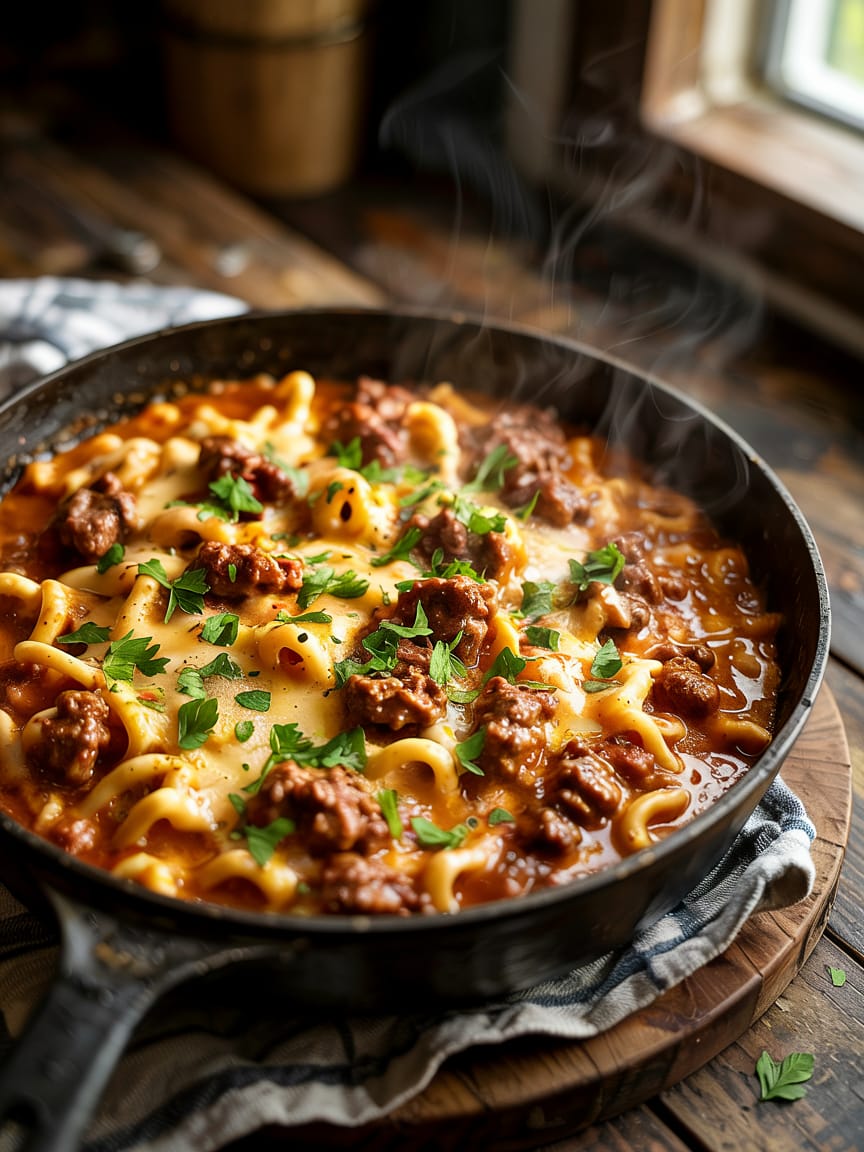
If you grew up on boxed Hamburger Helper, you know the cozy pull of saucy pasta and seasoned ground beef that feels like a hug on a weeknight. Now imagine that same comfort, but upgraded: fresher flavors, better ingredients, and completely safe for anyone avoiding gluten. This Gluten Free Hamburger Helper Recipe gives you everything you loved about the original — creamy sauce, tender pasta, and rich beefy flavor — but in a homemade, wholesome version that’s easy to adapt, scale, and make your own.
Below you’ll find a full, chef-approved walkthrough: ingredient choices, step-by-step instructions, troubleshooting, variations (dairy-free, vegetarian, low-carb), serving suggestions, storage and reheating tips, and answers to the common questions people ask when converting pantry favorites to gluten-free. Let’s dig in.
Why make a homemade Gluten Free Hamburger Helper Recipe?
Boxed mixes can be convenient, but they often hide questionable ingredients — fillers, preservatives, and wheat-based thickeners. When you make Hamburger Helper at home and go gluten-free, you gain:
- Control over ingredients (no mystery additives).
- Better texture (fresh seasoning, proper sauce consistency).
- Allergen-sensitivity options (dairy-free, low-FODMAP tweaks).
- A tastier, fresher flavor profile that’s easy to adjust to your family’s tastes.
This version focuses on widely available gluten-free pastas and thickeners, uses a mix of pantry staples and fresh aromatics, and keeps the recipe approachable: ready on the stove in about 30–40 minutes.
Recipe overview (at-a-glance)
- Recipe title: Gluten Free Hamburger Helper Recipe
- Servings: 4–6 (depending on appetite)
- Prep time: 10 minutes
- Cook time: 20–25 minutes
- Total time: 30–35 minutes
- Difficulty: Easy
- Diet notes: Gluten-free; can be made dairy-free or vegetarian with swaps
Ingredients
These amounts make roughly 4–6 servings.
- 1 lb (450 g) ground beef (85/15 or 80/20) — or ground turkey/chicken for a lighter version
- 1 medium yellow onion, finely diced
- 2–3 garlic cloves, minced
- 2 tablespoons olive oil or neutral oil (only if using lean meat or a nonstick pan)
- 2 cups gluten-free small pasta (elbow, shells, mini-penne, or gluten-free macaroni) — uncooked
- 2 1/2 cups low-sodium beef broth (or chicken/vegetable broth)
- 1 cup milk (dairy or unsweetened plant milk such as oat or almond)
- 1 tablespoon tomato paste (optional but recommended for depth)
- 1 teaspoon Worcestershire sauce (gluten-free certified) or coconut aminos for GF soy-free option
- 1 teaspoon Dijon mustard (optional)
- 1 teaspoon smoked paprika (or sweet paprika)
- 1 teaspoon onion powder
- 1 teaspoon garlic powder
- 1 teaspoon dried oregano or Italian seasoning
- 1/2–1 teaspoon kosher salt (adjust to taste)
- 1/2 teaspoon black pepper
- 2 tablespoons gluten-free all-purpose flour OR 1 tablespoon cornstarch mixed with 2 tablespoons cold water (for thickening)
- 1 to 1 1/2 cups shredded cheddar cheese (or dairy-free shreds)
- 2 tablespoons chopped fresh parsley (optional, for garnish)
Optional add-ins
- 1 cup frozen mixed vegetables (peas, carrots, corn) — add in last 4–5 minutes
- 1 diced bell pepper — sauté with onion
- 1/4 teaspoon red pepper flakes — for heat
- 1/2 cup grated Parmesan — for extra umami
Equipment
- Large heavy-bottomed skillet or sauté pan with lid (10–12 inches)
- Wooden spoon or spatula
- Measuring cups and spoons
- Cheese grater (if shredding cheese)
- Small bowl to make cornstarch slurry (if using)
Step-by-step instructions
Follow these steps for the most reliable results. Read through once before starting.
1) Brown the meat and sweat the aromatics
- Heat the skillet over medium-high heat. If using lean ground beef or turkey, add 1 tablespoon oil; otherwise the fat in the meat may be enough.
- Add ground meat, break it up with a wooden spoon, and let it brown until no pink remains (about 5–7 minutes). Don’t over-stir — letting it sit for a minute helps it develop brown bits that add flavor.
- Push the meat to one side, add the diced onion to the skillet (or add both in together earlier), and cook 2–3 minutes until translucent. Add garlic and cook 30 seconds until fragrant.
2) Season and build flavor
- Stir in smoked paprika, onion powder, garlic powder, dried oregano, salt, and pepper. Add tomato paste and Worcestershire sauce (or coconut aminos). Cook 1 minute, stirring, to deepen flavors.
- If you use a small splash of wine (optional), deglaze the pan now and let it reduce for 1 minute — this is optional but adds complexity.
3) Add liquids and uncooked pasta
- Pour in the beef broth and milk, stir to combine. Scrape up any browned bits from the bottom of the pan — that’s flavor.
- Stir in the uncooked gluten-free pasta and bring the mixture to a simmer. Reduce heat to medium-low, cover with the lid, and simmer for the time recommended on the pasta package minus 1–2 minutes (usually 7–9 minutes for smaller GF pasta). Stir occasionally to prevent sticking.
4) Thicken the sauce
- In a small bowl, whisk the gluten-free flour into a little cold milk or broth to make a smooth slurry OR mix cornstarch with cold water. Remove lid; if the sauce looks loose, stir in your slurry. Cook uncovered for 1–2 minutes more — the sauce will thicken. If it’s thickening too fast, add a splash more broth.
5) Finish with cheese and adjust seasoning
- Turn off heat and stir in the shredded cheddar until melted and silky. Taste and adjust salt/pepper as needed. If using parsley, stir half in and reserve the rest for garnish.
6) Rest and serve
- Let the pan sit 2 minutes off the heat to allow the sauce to set slightly. Serve hot, garnished with fresh parsley or more shredded cheese.
Chef’s tips for perfect texture and flavor
- Choose the right gluten-free pasta: Not all GF pastas behave the same. Blends of rice + corn + tapioca or corn + quinoa tend to hold up well in one-pot dishes. Avoid fragile lentil or chickpea pastas for this recipe unless you cook them separately, because they can break down with prolonged simmering.
- Undercook the pasta slightly: Because pasta will finish cooking while the sauce thickens and rests, cook it for 1–2 minutes less than package directions during the simmer. This avoids mushy results.
- Use a starch slurry for clear, glossy sauce: Gluten-free all-purpose flour gives body but can muddy flavor if overused. A cornstarch slurry yields a glossy finish and neutral flavor. Mix cornstarch with cold water first to avoid lumps.
- Flavor depth matters: Tomato paste, Worcestershire, and a touch of Dijon or mustard add umami and complexity. Don’t skip them unless you need strict allergen swaps.
- Avoid overheating dairy: Add cheese off the heat or at very low heat so it melts smoothly rather than becoming grainy.
- Watch salt carefully: Broths vary widely in sodium; taste before finishing and adjust.
- Prevent cross-contamination: If cooking for someone with celiac disease, thoroughly clean pans, utensils, and counters, and use GF-certified broth and Worcestershire sauce.
Variations & swaps
This recipe is a great template — adapt it for dietary needs or what’s in your pantry.
Dairy-free / Vegan
- Swap cheddar for dairy-free shreds (look for melting brands).
- Use plant milk like oat or unsweetened soy for better creaminess.
- Replace ground beef with crumbled tempeh, firm tofu (pan-fried), or a plant-based ground meat. Use vegetable broth.
Vegetarian
- Replace meat with 1 lb of cooked lentils (brown or green), crumbled tempeh, or sautéed mushrooms. Increase seasoning and add 1 tablespoon soy sauce or tamari for additional umami (use GF tamari).
Lower-carb / Keto-ish
- Use riced cauliflower (add near the end and cook just until tender) or shirataki-style pasta (not gluten-free but low-carb) — not a GF substitution but useful if avoiding carbs.
Turkey or Chicken Hamburger Helper
- Ground turkey or chicken works fine; add 1–2 tablespoons oil to compensate for less fat, and consider adding 1/2 teaspoon poultry seasoning for depth.
Extra-veggie version
- Add diced bell peppers, mushrooms, or a handful of spinach near the end. Frozen peas and carrots are a classic inclusion — stir them in during the last 4–5 minutes so they heat through without overcooking.
Smokier or spicier
- Swap smoked paprika for chipotle powder (start small) and add a pinch of cayenne for heat.
Serving suggestions and pairings
This dish is a hearty main with plenty of pairing options:
- Simple side salad: Mixed greens with vinaigrette cut through the richness.
- Roasted vegetables: Broccoli, Brussels sprouts, or root vegetables add texture.
- Pickles or tangy slaw: A bit of acidity balances creaminess.
- Warm, gluten-free garlic bread: For dunking — use a GF baguette brushed with olive oil and garlic.
- Wine pairing: A bright red like a young Merlot or a medium-bodied Zinfandel complements beefiness. For non-alcoholic, a fizzy lemonade or iced tea works well.
Make-ahead, storage, and reheating
- Refrigerate: Store in an airtight container for up to 3–4 days. GF pasta can become slightly firmer overnight; a splash of milk when reheating helps restore creaminess.
- Freeze: Portion into freezer-safe containers for up to 2 months. Thaw overnight in the fridge before reheating. Note: texture of GF pasta may change slightly after freezing.
- Reheat: Reheat gently on the stovetop over low heat with a splash of broth or milk, stirring frequently. Microwave in 30–45 second bursts, stirring between intervals, adding liquid if it’s dry.
Troubleshooting: Common problems and fixes
- Sauce too thin: Simmer uncovered to reduce, or whisk in a cornstarch slurry (1 tsp cornstarch + 1 Tbsp cold water at a time).
- Sauce too thick: Add small amounts of broth or milk until desired consistency is reached.
- Pasta mushy: Most likely overcooked. Next time, reduce simmer time by 1–2 minutes and stir more frequently. Choose a sturdier GF brand.
- Cheese separated or grainy: Cheese overheated. Remove pan from heat and stir in cheese off-heat, or add a small knob of butter to help emulsify. Use real cheddar rather than processed cheese for best melt.
- Bland flavor: Taste and salt. Add a splash of Worcestershire, a pinch of sugar, or a squeeze of lemon juice to brighten.
Nutrition & ingredient notes
This homemade version lets you control fat and sodium. Using lean ground beef reduces saturated fat; using low-sodium broth controls salt. Exact calories vary by ingredients and portion size — roughly 450–650 calories per serving depending on meat, cheese, and portion.
Important for celiac or strict gluten avoidance:
- Use gluten-free certified pasta and broth.
- Check Worcestershire sauce — some brands contain wheat.
- Avoid shared-processing cereals/pastas if cross-contamination is a concern.
- Clean cookware thoroughly if any gluten-containing foods were used previously.
Frequently asked questions (FAQ)
Can I use leftover cooked pasta?
Yes. Add cooked GF pasta at the end after the sauce is finished. Heat through gently to avoid clumping.
Can I make this in the slow cooker or Instant Pot?
Yes, with adjustments. For Instant Pot, brown the meat on sauté mode, add liquids and uncooked pasta, set to manual for half the pasta cooking time, quick release, then add cheese. For slow cooker, use par-cooked pasta (about 50% cooked) added in the last 30 minutes, as fully raw GF pasta may turn too soft.
What gluten-free pasta holds up best?
Rice + corn blends and multi-grain GF pastas usually hold up best in one-pot dishes. Avoid fragile legume-only pastas unless you want a short-cook method.
How can I make the sauce creamier without dairy?
Use oat milk or creamy soy milk plus a dairy-free cheese that melts well. A tablespoon of dairy-free cream cheese or a splash of coconut cream (if flavor works for you) can add body.
Advanced chef notes: elevating the dish
If you want to take this Gluten Free Hamburger Helper Recipe from good to memorable:
- Brown everything well: Browning the meat and even the onion slightly deeper adds caramelized flavor.
- Toast the spices: Toss spices into the hot pan for 15–20 seconds before adding liquids to bloom their oils.
- Add acidity at the end: A teaspoon of red wine vinegar or a squeeze of lemon just before serving brightens the whole dish.
- Finish with compound butter: Mix butter with chopped herbs and a pinch of garlic, add a small pat to the hot pan off-heat for gloss and flavor. (Skip for dairy-free.)
Final thoughts
This Gluten Free Hamburger Helper Recipe proves that comfort food can be both nostalgic and nourishing. With minimal fuss and full control over ingredients, you can make a weeknight dinner that’s cozy, customizable, and safe for gluten-sensitive diners. Whether you keep it simple with classic cheddar and ground beef or experiment with turkey, veggies, and vegan cheeses, this template is forgiving and forgivingly delicious.
Gluten Free Hamburger Helper Recipe
Ingredients
- 1 lb 450 g ground beef (85/15 or 80/20)
- 1 medium yellow onion finely diced
- 2 –3 garlic cloves minced
- 2 tablespoons olive oil or neutral oil if using lean meat
- 2 cups gluten-free pasta elbow, shells, or penne
- 2 1/2 cups low-sodium beef broth
- 1 cup milk or unsweetened plant milk
- 1 tablespoon tomato paste optional, for depth
- 1 teaspoon Worcestershire sauce gluten-free
- 1 teaspoon Dijon mustard optional
- 1 teaspoon smoked paprika
- 1 teaspoon onion powder
- 1 teaspoon garlic powder
- 1 teaspoon dried oregano or Italian seasoning
- 1/2 –1 teaspoon kosher salt to taste
- 1/2 teaspoon black pepper
- 2 tablespoons gluten-free flour OR 1 tablespoon cornstarch + 2 tbsp cold water
- 1 to 1 1/2 cups shredded cheddar cheese or dairy-free shreds
- 2 tablespoons chopped parsley optional, for garnish
- Optional Add-Ins:
- 1 cup frozen peas and carrots
- 1 diced bell pepper
- 1/4 tsp red pepper flakes
Instructions
- Brown the Beef: Heat a large skillet over medium-high heat. Add oil (if using lean meat) and ground beef. Cook until browned, about 5–7 minutes.
- Add Aromatics: Stir in onion and cook until translucent, about 3 minutes. Add garlic and cook for another 30 seconds.
- Season: Add smoked paprika, garlic powder, onion powder, oregano, salt, and pepper. Stir in tomato paste, Worcestershire, and Dijon; cook 1 minute.
- Add Liquids and Pasta: Pour in broth and milk. Stir well, then add uncooked gluten-free pasta. Bring to a simmer, cover, and cook for 7–9 minutes, stirring occasionally.
- Thicken Sauce: If the sauce is thin, stir in your gluten-free flour slurry or cornstarch mixture. Simmer uncovered for 1–2 minutes until thickened.
- Add Cheese: Remove from heat. Stir in shredded cheddar until melted and creamy.
- Serve: Garnish with chopped parsley and serve hot.
Notes
- Storage: Keep leftovers in an airtight container for 3–4 days in the fridge. Add a splash of milk when reheating.
- Freezing: Freeze up to 2 months; thaw overnight before reheating gently.
- Variations:
- Dairy-Free: Use plant milk and dairy-free cheese.
- Vegetarian: Replace beef with lentils, mushrooms, or plant-based ground.
- Spicy: Add cayenne or chili flakes.
- Tip: Don’t overcook gluten-free pasta — remove from heat while slightly firm, as it continues to soften in the sauce.