
Easy Rice Paper Snacks Recipe
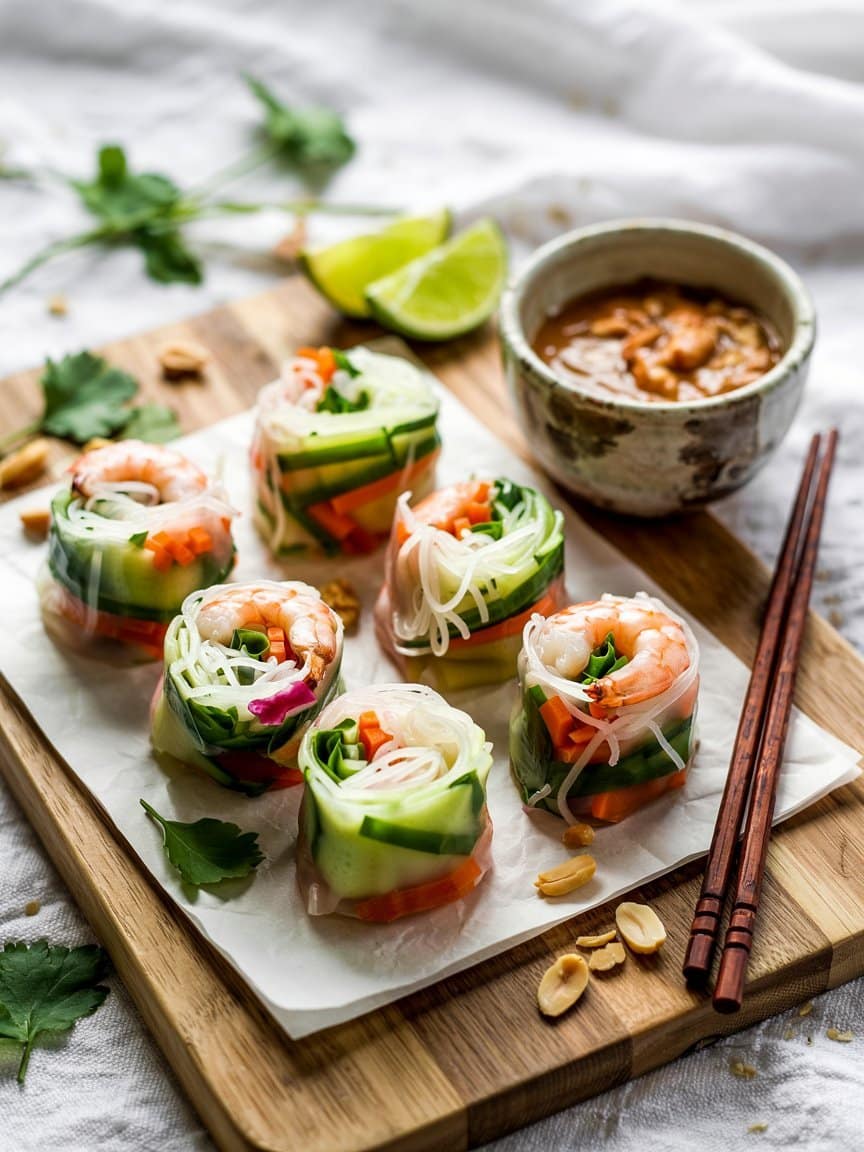
Light, crisp, endlessly versatile — rice paper snacks are the kind of small-plate magic that belong in every home cook’s repertoire. Whether you want a fresh, herb-packed bite for a summer party, a crunchy fried snack for game night, or a sweet dessert roll to finish dinner, the Easy Rice Paper Snacks Recipe in this post will teach you everything: ingredients, technique, variations, plating and pairing ideas, storage, troubleshooting, and pro tips that turn a simple sheet of rice paper into something memorable.
This is a practical, chef-tested guide written for home cooks who want reliable results (and for creators who want SEO-friendly, shareable content). I’ll walk you step-by-step through multiple approaches, so you can pick the style that fits your mood — fresh, baked, or fried — and adapt it for dietary needs.
Why rice paper snacks are so brilliant
Rice paper is an underrated canvas. It’s:
- Neutral in flavor — so it showcases fillings whether savory or sweet.
- Quick to prepare — requires only a brief soften in water.
- Low in calories — the sheets themselves are light; your choice of filling determines the calorie profile.
- Gluten-free — great for guests with gluten sensitivities (check labels to confirm).
- Versatile — use raw for fresh rolls, oven-bake or air-fry for crispy rolls, or shallow-fry for old-school crunch.
The Easy Rice Paper Snacks Recipe is built around this flexibility. Think of rice paper as a vehicle: change fillings, sauces, and cooking method and you have an entirely different snack.
Ingredients — a complete list and why each matters
Below are ingredient categories and solid, adaptable choices. Quantities will depend on how many snacks you make; this section focuses on reliable components so you can scale up or down.
Rice paper sheets
- 6–12 round rice paper sheets (8–9” diameter is common). Choose standard rice paper for fresh rolls; thicker bánh tráng (Vietnamese rice paper) works well for frying.
Protein ideas
- Cooked shrimp (peeled, tails off) — classic, quick, high-impact.
- Shredded rotisserie chicken — fast and flavorful.
- Tofu (firm, pressed, cubed) — baked or pan-fried for texture; great for vegetarian options.
- Ground pork or turkey — seasoned and cooked; use sparingly to keep snack bite-sized.
- Tempeh (crumbled or sliced) — nutty, protein-rich vegetarian option.
Vegetables & fresh fillings
- Lettuce leaves (butter or romaine) or baby spinach — adds moisture barrier and crunch.
- Julienned carrots, cucumber, bell pepper — classic freshness and color.
- Fresh herbs: Thai basil, cilantro, mint — these define Southeast Asian flavors.
- Bean sprouts — crunchy and light.
- Avocado slices — rich, creamy contrast.
Aromatics & flavor boosters
- Scallions / spring onions — thinly sliced.
- Garlic (lightly cooked or raw in small amounts for strong flavors).
- Ginger — grated or pickled for brightness.
- Lime or lemon wedges — acid to balance richness.
Carbs & fillers
- Vermicelli rice noodles — add body without heaviness for fresh rolls.
- Cooked sticky rice — use sparingly for bite-size rice paper parcels.
- Crushed peanuts or roasted sesame seeds — texture and savory lift.
Sauces and dips
- Classic peanut dipping sauce (peanut butter, soy, lime, water, chili).
- Hoisin + sriracha, thinned with lime and water.
- Fish sauce-based dipping sauce (nước chấm): fish sauce, lime, sugar, garlic, chili, water.
- Sweet chili sauce — convenient and crowd-friendly.
- Soy sauce + rice vinegar + toasted sesame oil — simple savory dip.
For frying / crispier shells
- Neutral oil for frying (peanut, vegetable, or canola).
- Cooking spray or oil brush for baking/air-frying.
Sweet dessert option ingredients
- Banana strips, mango, sweetened cream cheese or mascarpone, shredded coconut, chocolate drizzle.
Seasoning
- Salt and freshly ground black pepper.
- Sugar or honey (for balancing sauces).
- Chili flakes, Sriracha, or fresh chiles for heat.
Essential equipment
You don’t need a professional kitchen, but these tools make the Easy Rice Paper Snacks Recipe smooth and repeatable:
- Shallow wide bowl or pie dish (for water to soften sheets).
- Damp kitchen towel (keeps sheets workable).
- Cutting board and sharp knife.
- Small offset spatula or spoon (for spreading soft fillings).
- Frying pan, deep skillet, or wok (for shallow frying).
- Baking sheet and parchment (for oven versions).
- Air fryer (optional but excellent for crisping with less oil).
- Tongs or slotted spoon (for frying).
- Mixing bowls and whisk (for sauces).
Basic technique — the 3 core steps (soften, assemble, finish)
Mastering three things will get you consistent results:
- Softening rice paper properly — not too soft, not too stiff.
- Layering for structure — create a moisture barrier and use textures to prevent sogginess.
- Finishing — decide whether you’ll serve fresh, bake, air-fry, or shallow-fry and execute accordingly.
Softening rice paper (how-to)
- Pour room-temperature water into a wide shallow bowl or pie dish (about 1/2”–1” deep).
- Hold one rice paper sheet by its edge and gently submerge the center for 2–6 seconds, or briefly dip and lift so the entire surface touches the water once.
- Lay the sheet flat on a damp towel or plate. It will continue to soften from residual water; don’t soak for more than 10 seconds total or it becomes overly fragile and gummy.
- Tip: If your water is too cold or your kitchen is very dry, the sheet may stiffen quickly — proceed to assemble swiftly. If the sheet sticks to the bowl, a quick second dip and gentle pull will free it.
Layering for structure (order matters)
- Start with a lettuce leaf or herb cluster on the softened rice paper — this creates a moisture barrier between wetter fillings and the wrapper.
- Add thin, compact components (noodles, protein) centrally in a line perpendicular to where you’ll fold.
- Top with crunchy or dry ingredients (shredded carrot, cucumber, crushed peanuts).
- Don’t overfill — rice paper is strong but can tear when overstuffed.
Rolling (tight but gentle)
- Fold the bottom edge up over the filling, then fold both sides in like an envelope.
- Continue to roll away from you, pressing gently to compact contents and release excess moisture.
- A tight roll keeps ingredients together and prevents water seeping out.
Step-by-step Easy Rice Paper Snacks Recipe (fresh version)
This is a foundational fresh roll that scales and adapts.
Makes: 6–8 snack rolls (as appetizers)
Prep time: 20–30 minutes
Cook time: 0–5 minutes (depending on protein choice)
Ingredients (base)
- 8 rice paper sheets (8–9”)
- 1 cup cooked vermicelli rice noodles (soaked & drained)
- 12 cooked shrimp (halved lengthwise) or 1 cup cooked shredded chicken/tofu
- 1 medium carrot, julienned
- 1 small cucumber, julienned, seeded
- 1 cup mixed fresh herbs (mint, cilantro, Thai basil)
- 4–6 butter lettuce leaves or romaine
- 1/4 cup roasted peanuts, crushed
- Dipping sauce of choice (peanut or fish sauce-based)
Method
- Prep fillings: Cook and cool proteins; soak and drain vermicelli; julienne veg; pick and wash herbs. Place damp towel on work surface.
- Soften rice paper: Fill a pie dish with room-temp water. Dip sheet for 3–5 seconds and lay it flat on the towel.
- Layer: Place 1 lettuce leaf centered near the bottom third of the sheet. Add a small bundle of noodles, then protein, then carrots and cucumber. Sprinkle crushed peanuts and tuck a few herb leaves.
- Roll: Fold bottom edge over filling, fold sides inward, then roll tightly to the top. Repeat.
- Serve: Slice in half on a diagonal for presentation, arrange on a platter with dipping sauce.
Crispy rice paper snacks — oven, air-fryer, and frying methods
If you want crunch, rice paper transforms beautifully. All three methods work; choose based on how much oil you want to use and time available.
Oven-baked method (healthier crunch)
- Preheat oven to 375°F (190°C).
- Lightly brush rolls with oil or spray with cooking spray.
- Place on parchment-lined baking sheet and bake 8–12 minutes, turning once, until golden and crisp.
- Pros: even crisp, minimal oil. Cons: not quite as blistered as frying.
Air-fryer method (fast, less oil)
- Preheat air fryer to 360°F (182°C).
- Lightly spray or brush oil on rolls.
- Arrange in single layer and air-fry 6–10 minutes, turning halfway.
- Pros: very crisp with less oil, quick. Watch closely — timing varies by model.
Shallow-frying (classic crunch)
- Heat 1/2–1” oil in a skillet to 350–375°F (175–190°C).
- Fry 1–2 rolls at a time, seam side down, for 1–2 minutes per side until golden and blistered.
- Drain on paper towel and salt lightly.
- Pros: the crispiest, blistered finish and richer flavor. Cons: more oil, messier.
Chef tip: If you’re frying, use thicker rice paper or double-wrap thin sheets to avoid blowouts from steam.
Flavour variations — change the cuisine with minimal effort
You can alter the Easy Rice Paper Snacks Recipe to travel across cuisines.
Vietnamese-style (classic)
- Fillings: shrimp, vermicelli, lettuce, mint, cilantro.
- Sauce: nước chấm (lime, fish sauce, sugar, garlic, chili) or peanut hoisin dip.
Thai-inspired
- Fillings: grilled marinated chicken, mango, basil, cucumber.
- Sauce: sweet chili with lime; or peanut sauce with a touch of coconut milk.
Japanese-inspired
- Fillings: smoked salmon, avocado, cucumber, pickled ginger, shiso (or basil).
- Sauce: tamari + yuzu or ponzu.
Mediterranean twist
- Fillings: grilled halloumi, roasted pepper, baby spinach, mint.
- Sauce: lemon-tahini or tzatziki (thin it to dipping consistency).
Latin-flavored
- Fillings: shredded chipotle chicken, black beans, corn, cilantro, shredded cabbage.
- Sauce: avocado crema or lime crema.
Vegetarian / Vegan
- Use tofu, tempeh, or spiced roasted mushrooms. Replace fish sauce in dips with tamari or vegan fish sauce alternatives.
Dessert rice paper snacks
- Fill rice paper with banana or mango strips and a smear of sweetened cream cheese. Roll and air-fry for 6–8 minutes; dust with powdered sugar or cocoa and drizzle with chocolate or caramel.
Tips, tricks, and chef secrets for perfect rice paper snacks every time
- Work fast but with care — rice paper softens quickly but becomes fragile if over-soaked.
- Damp towel is your best friend — keeps softened sheets workable and prevents sticking.
- Use lettuce as a moisture barrier — prevents wet ingredients from turning the wrapper gummy.
- Tight rolling is key — it keeps fillings together and improves bite.
- For uniform size — portion fillings with an ice cream scoop or small measuring cup.
- Double-layer for frying — two sheets reduce the chance of splitting and add crunch.
- Chill before slicing — refrigerated rolls slice cleaner, especially fried ones.
- Season fillings boldly — rice paper is mild; fillings should be well-seasoned to shine.
- Balance textures — always aim for at least one crunchy and one soft element.
- Label sauces at parties — indicate spicy options so guests can choose.
Serving suggestions and pairings
Rice paper snacks are great as appetizers, party finger food, or light lunches. Here are pairing ideas:
- Beverages: crisp white wine (Sauvignon Blanc), light beers, jasmine tea, or sparkling water with lime.
- Side dishes: simple green salad, pickled vegetables, edamame, or a bowl of jasmine rice.
- Plating ideas: arrange rolls in a fan with small dipping bowls; garnish with herb sprigs, lime wedges, and toasted sesame seeds.
- Party presentation: create a “roll bar” with small bowls of fillings and sauces so guests can assemble their own — offer wet towels or napkins.
Make-ahead, storage, and reheating
Make-ahead (fresh rolls)
- Assemble and wrap tightly in plastic wrap. Place in an airtight container with a damp paper towel beneath and another on top to maintain humidity. Refrigerate up to 24 hours. Beyond that, rice paper will start to toughen or get soggy.
Make-ahead (fried/baked/cooked)
- Store cooked, cooled snacks in an airtight container at room temperature for up to 24 hours; they lose peak crispness over time.
- Recrisping: reheat in a preheated oven at 350°F (175°C) for 5–8 minutes or air-fry at 350°F for 3–5 minutes.
Freezing
- Not recommended for fresh rolls (texture suffers). For fried rolls, freeze in single layer on a tray until solid, then transfer to a freezer bag; reheat from frozen in oven/air-fryer.
Troubleshooting — common problems and solutions
Rice paper tears while rolling
- Problem: sheet over-soaked or sticky fillings.
- Fix: reduce dip time to just a few seconds; place a lettuce leaf underneath to distribute moisture; if torn, patch with a small piece of another softened sheet.
Wrapper becomes gummy
- Problem: fillings too wet or sheet over-soaked.
- Fix: pat fillings dry; sprinkle absorbent ingredients like julienned carrot or rice noodles; use toasted sesame seeds or crushed peanuts to add dryness.
Rolls fall apart when sliced
- Problem: not rolled tightly enough.
- Fix: roll firmer and chill 10–15 minutes before slicing. Use a serrated knife and a clean swift sawing motion.
Bubbles or burst during frying
- Problem: trapped steam or too-thin wrapper.
- Fix: use thicker rice paper or double-wrap; ensure seam is sealed; fry at steady temperature (350–375°F) — too hot can cause violent bubbling.
Nutrition overview (approximate)
Nutrition depends heavily on fillings and cooking method. Here’s a ballpark for a fresh shrimp roll (one roll):
- Calories: ~90–150 kcal
- Protein: 6–10 g
- Fat: 2–6 g (higher if peanut sauce is used)
- Carbohydrates: 10–18 g
- Fiber: 1–2 g
If you bake or fry, calories increase. Use lean proteins, lots of veg, and light dips to keep the snack healthy.
Frequently Asked Questions
Can I use rice paper if I’m gluten-free?
Yes — plain rice paper is naturally gluten-free. Always check the packaging for cross-contamination warnings if you are highly sensitive.
What’s the difference between rice paper for fresh rolls and for frying?
Some rice paper is thinner and intended for fresh rolls; others are thicker (bánh tráng) and better for frying. If you only have thin sheets, double-wrap for frying.
How long can I store rice paper?
Unopened rice paper lasts months in a cool, dry place. Once opened, keep in a resealable bag away from moisture.
Can I make vegetarian or vegan rice paper snacks?
Absolutely. Use tofu, tempeh, or grilled vegetables and swap fish-sauce-based dips for tamari or vegan fish sauce alternatives.
Is rice paper the same as spring roll wrappers?
No. Wheat-based spring roll wrappers (used for Chinese fried spring rolls) are different. Rice paper is translucent, made from rice, and has unique properties.
Variations and menus using the Easy Rice Paper Snacks Recipe
Here are a few themed menus you can create using rice paper snacks as starters or part of a spread:
Asian small-plate menu
- Fresh rice paper shrimp rolls with peanut sauce
- Crispy rice paper spring rolls with sweet chili dip
- Miso eggplant skewers
Healthy lunchbox
- Grilled tofu rice paper rolls with sesame-lime dip
- Side of edamame and mixed fruit
Party snack platter
- Mini rice paper parcels (cut sheets into smaller circles using a cookie cutter) filled with spiced chicken and slaw, fried until blistered
- Dipping trio: sweet chili, peanut, and citrus-soy
Final notes from the chef
The Easy Rice Paper Snacks Recipe is less a single recipe and more a template. The magic happens when you balance textures and flavours: soft rice noodles or avocado, crisp carrot or peanuts, umami-rich protein, and a bright acidic dip. Start with the fresh roll technique above — it’s fast, forgiving, and a great way to practice softening and rolling. Then branch out: try baking, air-frying, or a delicate shallow fry for crunchy variations. Keep a small palette of go-to sauces (peanut, fish-sauce-based, and a neutral soy-dressing) and you’ll be able to turn rice paper into a snack for any occasion.
Easy Rice Paper Snacks Recipe
Ingredients
For the Rice Paper Rolls
- 8 rice paper sheets 8–9 inch
- 1 cup cooked rice vermicelli noodles
- 12 cooked shrimp halved lengthwise or 1 cup shredded chicken/tofu
- 1 medium carrot julienned
- 1 small cucumber julienned
- 4 –6 lettuce leaves butter lettuce or romaine
- 1 cup fresh herbs mint, cilantro, Thai basil
- ¼ cup roasted peanuts crushed
- 1 tablespoon sesame seeds optional
Optional Crispy Version
- 1 –2 tablespoons cooking oil or cooking spray for air fryer or baking
- Simple Peanut Dipping Sauce
- 3 tablespoons peanut butter
- 1 tablespoon soy sauce
- 1 tablespoon lime juice
- 1 teaspoon honey or sugar
- 2 –3 tablespoons warm water to thin
- ½ teaspoon chili flakes or sriracha optional
Instructions
Step 1: Prepare the fillings
- Cook the rice vermicelli noodles according to the package instructions. Drain and let them cool. Slice the carrot and cucumber into thin matchsticks. Prepare the cooked shrimp, chicken, or tofu.
Step 2: Prepare your rolling station
- Fill a shallow bowl or plate with room-temperature water. Place a damp kitchen towel or cutting board nearby where you will assemble the rolls.
Step 3: Soften the rice paper
- Dip one rice paper sheet into the water for about 3–5 seconds until it becomes slightly soft. Place it flat on the damp towel or board. It will continue softening as you add the fillings.
Step 4: Add the fillings
- Place a lettuce leaf near the bottom third of the rice paper. Add a small handful of vermicelli noodles, a few pieces of shrimp or protein, and some carrot and cucumber strips. Sprinkle crushed peanuts and add a few fresh herb leaves.
Step 5: Roll the snack
- Fold the bottom edge of the rice paper over the filling. Fold both sides inward, then roll tightly upward until you form a compact roll. Repeat with the remaining rice paper sheets.
Step 6: Optional crispy version
- For a crispy snack variation, lightly brush the rolls with oil and cook using one of the methods below:
- Air Fryer Method
- Preheat air fryer to 360°F (182°C)
- Place rolls in a single layer
- Cook for 6–8 minutes, flipping halfway
- Oven Baking Method
- Preheat oven to 375°F (190°C)
- Place rolls on a parchment-lined baking sheet
- Bake for 10–12 minutes, turning once until lightly golden
Step 7: Make the dipping sauce
- Whisk together peanut butter, soy sauce, lime juice, honey, chili flakes, and warm water until smooth and creamy.
Step 8: Serve
- Slice the rolls in half if desired and serve with peanut dipping sauce.
Notes
- Rolling tip
Do not soak rice paper too long. If it becomes overly soft, it may tear while rolling. - Storage
Fresh rolls can be stored in an airtight container in the refrigerator for up to 24 hours. Cover them with a damp paper towel to prevent drying. - Make ahead tip
If making for parties, prepare the fillings ahead of time and assemble the rolls shortly before serving for the best texture. - Healthy variation
Skip the noodles and add extra vegetables for a lower-calorie snack. - Protein swaps
You can use grilled chicken, tofu, shrimp, or even thin slices of smoked salmon. - Dessert variation
Fill rice paper with banana slices, mango, and a drizzle of chocolate or honey. Air fry until slightly crispy.