
Cream Cheese Pound Cake Recipe
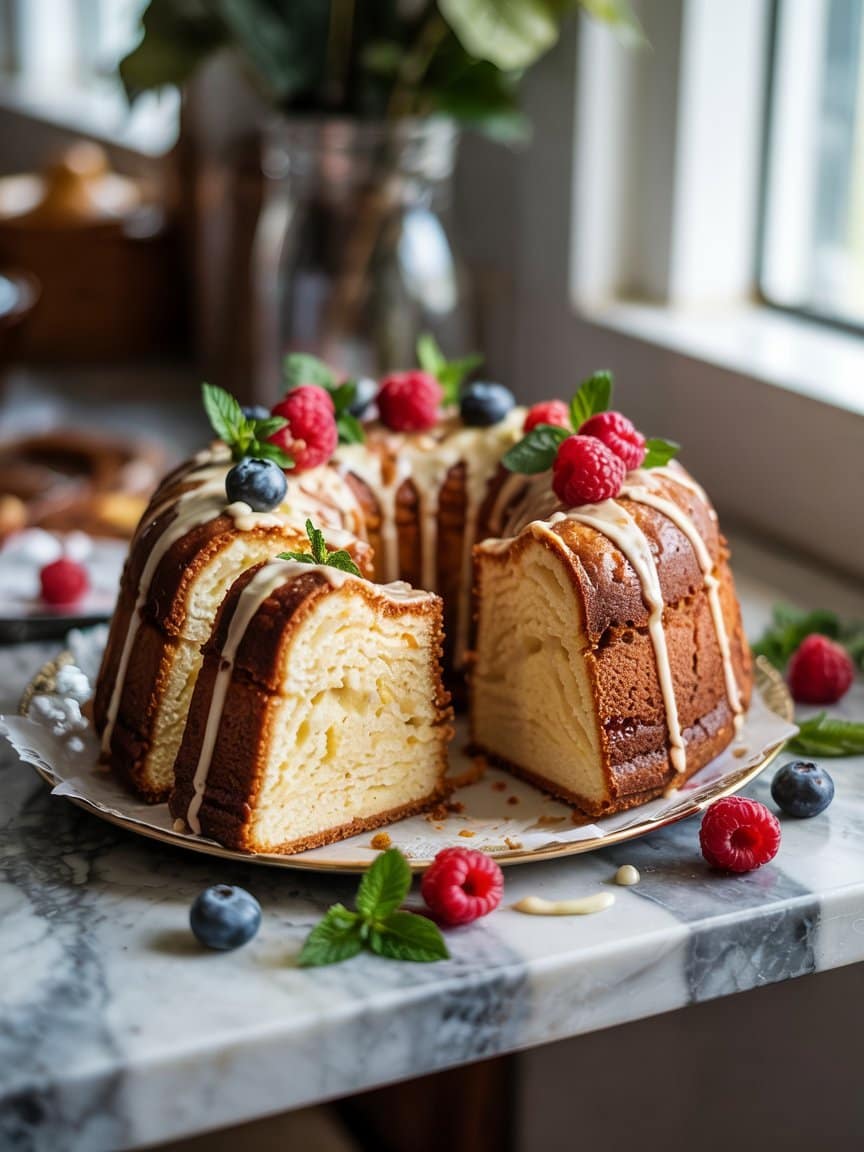
If you love dense, buttery cakes with a fine crumb and a tender, almost custardy center, you’re in the right place. This Cream Cheese Pound Cake Recipe takes the old-fashioned pound cake and elevates it with cream cheese for extra richness, moisture, and a delicate tang that keeps every slice from feeling heavy. Below you’ll find everything: a reliable recipe, step-by-step method, troubleshooting tips, tempting variations, serving ideas, storage instructions, and frequently asked questions. Designed for home bakers who want excellent results every time.
Why choose this Cream Cheese Pound Cake Recipe?
Cream cheese in a pound cake does three things:
- Adds moisture and richness so the cake stays soft for days.
- Lightens the texture slightly—without losing the classic pound cake density.
- Gives a subtle tang that brightens the flavor and balances the sweetness.
This recipe is forgiving, pantry-friendly, and works in a loaf pan or a bundt pan. Follow the technique and timing closely and you’ll get a golden crust with a tender interior every time.
What you’ll need (ingredients + tools)
Ingredients (yields one 9×5 loaf or one 10–12-cup bundt)
All ingredient weights are provided to help accuracy.
- Unsalted butter — 1 cup (226 g), softened to room temperature
- Cream cheese — 8 oz (227 g), softened to room temperature
- Granulated sugar — 2 cups (400 g)
- Large eggs — 4, room temperature
- Pure vanilla extract — 2 teaspoons (10 mL)
- All-purpose flour — 2 1/2 cups (312.5 g) — measure by weight for best results
- Salt — 1/2 teaspoon (3 g)
- Baking powder — 1/2 teaspoon (2 g) (optional, helps a little lift without changing flavor)
- Heavy cream or whole milk — 2 tablespoons (30 mL) (only if batter seems thick; optional)
Optional for a glaze:
- Powdered sugar — 1 to 1 1/2 cups (120–180 g)
- Milk or cream — 1–2 tablespoons (15–30 mL)
- Lemon juice or vanilla — a teaspoon for flavor
Tools
- Stand mixer with paddle attachment or a handheld mixer
- Two mixing bowls (one for dry, one for wet)
- 9×5 loaf pan (or 10–12-cup bundt pan)
- Parchment paper or nonstick spray + a little flour
- Offset spatula or rubber spatula
- Instant-read thermometer (highly recommended)
- Cooling rack
The method — step-by-step
Below is a clear, tested approach using the creaming method. Take your time with each step—temperature and technique matter more than speed.
1. Prep and temperature
- Take the butter, cream cheese, and eggs out of the refrigerator about 45–60 minutes before baking. They should be soft but not melty. Soft ingredients incorporate more evenly.
- Preheat the oven: 325°F (163°C) for a loaf or bundt. A slightly lower temperature gives even baking and a fine crumb.
- Grease the pan thoroughly. For a loaf, line the bottom with parchment and spray the sides. For a bundt, grease every nook and dust lightly with flour.
2. Mix dry ingredients
- In a bowl, whisk together the flour, salt, and baking powder (if using). Set aside.
3. Cream butter, cream cheese, and sugar
- In the mixer bowl, add softened butter and cream cheese. Beat on medium speed until smooth and well combined—no visible lumps (about 2–3 minutes).
- Gradually add the granulated sugar. Beat on medium-high until the mixture is pale, fluffy, and noticeably lighter in color—this takes 3–5 minutes. Don’t rush the creaming stage; it traps air and creates structure.
4. Add eggs and vanilla
- With the mixer on low, add eggs one at a time, waiting until each is mostly incorporated before adding the next. Scrape the bowl between additions.
- Stir in the vanilla extract.
5. Fold in flour
- Reduce mixer speed to low. Add the dry ingredients in three additions, alternating if you like with a very small splash of milk or cream on the second addition (this prevents the batter from becoming too stiff). Stop mixing as soon as the flour disappears—overmixing develops gluten and makes the crumb tough.
- The batter should be thick but smooth. If it feels too stiff to pour, add 1–2 tablespoons (15–30 mL) of cream or milk and fold briefly.
6. Transfer to pan and smooth
- Spoon the batter into the prepared pan, leveling the top with a spatula. For loaf pans, fill to roughly 3/4 full. For bundt pans, distribute evenly and tap the pan gently on the counter to release large air pockets.
7. Bake
- Place in the center of the preheated oven. Bake times vary:
- 9×5 loaf: 60–75 minutes
- 10–12-cup bundt: 65–85 minutes
- Start checking at the shorter end of the range. Use an instant-read thermometer—aim for an internal temperature of 200–205°F (93–96°C) in the center for a perfect pound cake (this is more reliable than a toothpick because pound cake is dense).
- The top should be evenly golden, and the cake will pull slightly from the pan edges.
8. Cool and unmold
- Let the cake rest in the pan on a cooling rack for 15–20 minutes. Then carefully invert onto the rack to finish cooling. If using a bundt pan, invert onto the rack right away if it seems to release; otherwise allow an extra 5 minutes to set.
- Cool completely before glazing—a warm cake will melt the glaze and make it runny.
Classic glaze (optional)
A thin glaze adds shine and a delicate sweetness.
Ingredients:
- 1 to 1 1/2 cups powdered sugar (120–180 g)
- 1–2 tablespoons milk or cream (15–30 mL)
- 1 teaspoon lemon juice or 1/2 teaspoon vanilla
Method:
- Whisk sugar with milk until smooth. Start with 1 tablespoon milk and add to reach drizzling consistency. Stir in lemon or vanilla.
- Drizzle over completely cooled cake and let set.
Variations: swap lemon for orange zest/juice, add a tablespoon of bourbon or rum for an adult twist, or stir a tablespoon of cocoa into the glaze for a chocolate sheen.
Tips for consistent success
- Room temperature ingredients matter. They combine smoothly and emulsify better—no broken batter.
- Measure flour by weight. Scooping with a cup can pack flour and add too much, leading to a dry, heavy cake. Use 125 g per cup as a guideline.
- Don’t overbeat once flour is added. Mix just until incorporated.
- Lower-and-slower oven is your friend. 325°F minimizes doming and large cracks and produces an even crumb.
- Use an instant-read thermometer. For dense cakes like pound cake, the internal temperature is the best doneness indicator.
- Make a wet towel tent if the top browns too quickly. After about 35–45 minutes, loosely tent a sheet of foil to prevent further browning if necessary.
- Let it rest. Pound cakes often slice better after they cool and rest a few hours; flavors also mellow.
Troubleshooting: common problems and fixes
- Cake sinks in the middle: Undercooked center or opening the oven door too early. Fix: bake longer, avoid drafts, and don’t open the door until the cake is near the end of the bake time.
- Top cracks badly: Oven too hot or pan overfilled. Lower oven temperature slightly or use a larger pan.
- Dense, heavy crumb: Overmixing after flour was added or too much flour. Use weight measurements and mix only until combined.
- Dry cake: Overbaking or too much flour. Check earlier and remove when internal temp nears 200°F (93°C).
- Sticky or gummy middle: Batter undercooked or eggs too cold preventing proper emulsion. Ensure eggs are room temp and test with thermometer.
Variations to try
Here are simple swaps and additions that keep the same reliable structure but change the flavor profile.
Lemon-Cream Cheese Pound Cake
- Add 2 tablespoons lemon zest and 2 tablespoons lemon juice to batter. Use a lemon glaze.
Chocolate Marble Cream Cheese Pound Cake
- Reserve 1/3 of batter and add 2–3 tablespoons unsweetened cocoa powder plus 1 tablespoon milk. Swirl into the pan.
Brown Sugar & Bourbon
- Replace 1/2 cup granulated sugar with 1/2 cup packed light brown sugar for a deeper caramel note. Add 1 tablespoon bourbon to batter (optional) and a bourbon glaze.
Citrus-Poppy Seed
- Add 1 tablespoon poppy seeds and the zest of an orange to the batter.
Nutty Crunch
- Fold in 1/2 cup toasted pecans or almonds in the final fold for texture.
Maple-Glazed
- Replace vanilla with 1 tablespoon pure maple syrup and finish with a maple glaze.
All variations keep the same proportions—just fold additions in gently at the end.
Serving suggestions and pairings
Cream cheese pound cake is versatile. Here are crowd-pleasing pairings:
- Fresh berries and lightly sweetened whipped cream.
- A scoop of vanilla or salted caramel ice cream—perfect warm.
- Coffee or black tea for a classic afternoon treat.
- Mascarpone and spiced fruit compote for an elegant dessert.
- Thin slices served with a drizzle of salted caramel or chocolate sauce.
For brunch, serve wedges with lemon curd and a dusting of powdered sugar.
Storage, freezing, and make-ahead
- Room temperature: Wrapped tightly in plastic wrap and stored in an airtight container, the cake will keep 2–3 days.
- Refrigerator: Up to 7 days (wrap well so it does not dry).
- Freezer: Freeze whole or sliced pieces, wrapped in plastic and foil, for up to 3 months. Thaw in the refrigerator overnight and bring to room temperature before serving, or warm briefly in a 300°F oven for 10–12 minutes for a fresh-baked feel.
- Glazed cakes freeze best without the glaze. Add glaze after thawing.
Nutrition note (approximate)
Pound cakes are rich and calorie-dense. Exact nutrition depends on ingredients and serving size—estimate around 350–500 calories per generous slice when served with glaze or toppings. If you want a lighter version, reduce sugar slightly or serve smaller slices with fresh fruit.
Frequently asked questions (FAQ)
Q: Can I use low-fat cream cheese?
A: You can, but full-fat cream cheese gives the best texture and flavor. Low-fat versions may yield a slightly less rich crumb.
Q: Can I make this recipe gluten-free?
A: Yes—substitute a 1:1 gluten-free flour blend that contains xanthan gum. Expect a slightly different texture.
Q: What pan yields the best result—loaf or bundt?
A: Both work. A bundt gives a prettier slice for guests; a loaf pan is great for gift loaves or smaller households. Adjust baking time accordingly.
Q: Why did my pound cake come out rubbery?
A: Overmixing after adding flour, or too many eggs relative to the other ingredients can cause chewiness. Mix gently and measure by weight.
Q: Do I need baking powder?
A: Traditional pound cakes rely on eggs for lift. A small amount of baking powder can give gentle help without changing the cake’s character; it’s optional but useful for consistent home oven results.
Compact recipe (Printable)
Cream Cheese Pound Cake Recipe — 9×5 loaf
Ingredients:
- 1 cup (226 g) unsalted butter, softened
- 8 oz (227 g) cream cheese, softened
- 2 cups (400 g) granulated sugar
- 4 large eggs, room temperature
- 2 tsp (10 mL) vanilla extract
- 2 1/2 cups (312.5 g) all-purpose flour
- 1/2 tsp (3 g) salt
- 1/2 tsp (2 g) baking powder (optional)
- 1–2 tbsp heavy cream (optional, only if needed)
Method (short):
- Preheat oven to 325°F (163°C). Grease a 9×5 loaf pan and line bottom with parchment.
- Whisk flour, salt, and baking powder. Set aside.
- Beat butter + cream cheese until smooth. Add sugar; beat until pale and fluffy (~3–5 min).
- Add eggs one at a time on low speed; add vanilla.
- Add dry ingredients in 3 additions on low speed, mixing just until combined. Add 1–2 tbsp cream if batter too stiff.
- Pour into pan; bake 60–75 min (or until internal temp 200–205°F / 93–96°C).
- Cool 15–20 min in pan, then invert to cool completely. Glaze if desired.
Final thoughts
This Cream Cheese Pound Cake Recipe is a dependable, crowd-pleasing classic that rewards careful technique more than exotic ingredients. The keys are room-temperature ingredients, measured flour by weight, gentle mixing after flour is added, and patient, lower-temperature baking. Whether you keep it simple with a powdered sugar glaze or build a showstopper with berries and cream, this cake makes a memorable dessert, gift, or afternoon treat.
Cream Cheese Pound Cake Recipe
Ingredients
- 1 cup 226 g unsalted butter, softened
- 8 oz 227 g cream cheese, softened
- 2 cups 400 g granulated sugar
- 4 large eggs room temperature
- 2 teaspoons pure vanilla extract
- 2 ½ cups 312 g all-purpose flour
- ½ teaspoon salt
- ½ teaspoon baking powder optional, for slight lift
- 1 –2 tablespoons heavy cream or whole milk optional, if batter is too thick
- Optional Glaze:
- 1 cup powdered sugar
- 1 –2 tablespoons milk or cream
- 1 teaspoon lemon juice or vanilla extract
Instructions
- Preheat oven to 325°F (163°C). Grease a 9×5-inch loaf pan or a 10–12 cup bundt pan; line the bottom with parchment if using a loaf pan.
- In a bowl, whisk together flour, salt, and baking powder. Set aside.
- In a large mixing bowl, beat butter and cream cheese until smooth and creamy (2–3 minutes).
- Gradually add sugar and beat until light, fluffy, and pale in color (3–5 minutes).
- Add eggs one at a time, mixing on low speed after each addition. Stir in vanilla extract.
- Add dry ingredients in three additions, mixing just until combined. Do not over mix.
- If batter is very thick, gently fold in 1–2 tablespoons of cream or milk.
- Pour batter into prepared pan and smooth the top.
- Bake for 60–75 minutes (loaf) or 65–85 minutes (bundt), until golden and a toothpick or thermometer (200–205°F / 93–96°C) inserted in the center comes out clean.
- Cool in the pan for 15–20 minutes, then remove and cool completely on a wire rack.
- Drizzle with glaze if desired before serving.
Notes
- Storage: Store tightly wrapped at room temperature for up to 3 days or refrigerate for up to 7 days.
- Freezing: Freeze whole or sliced for up to 3 months; thaw overnight in the refrigerator.
- Variations: Add lemon zest for citrus flavour, swirl in cocoa batter for a marble effect, or fold in toasted nuts for texture.
- Tip: Always use room-temperature ingredients for the smoothest batter and best texture.