
Cookies and Cream Cookies Recipe
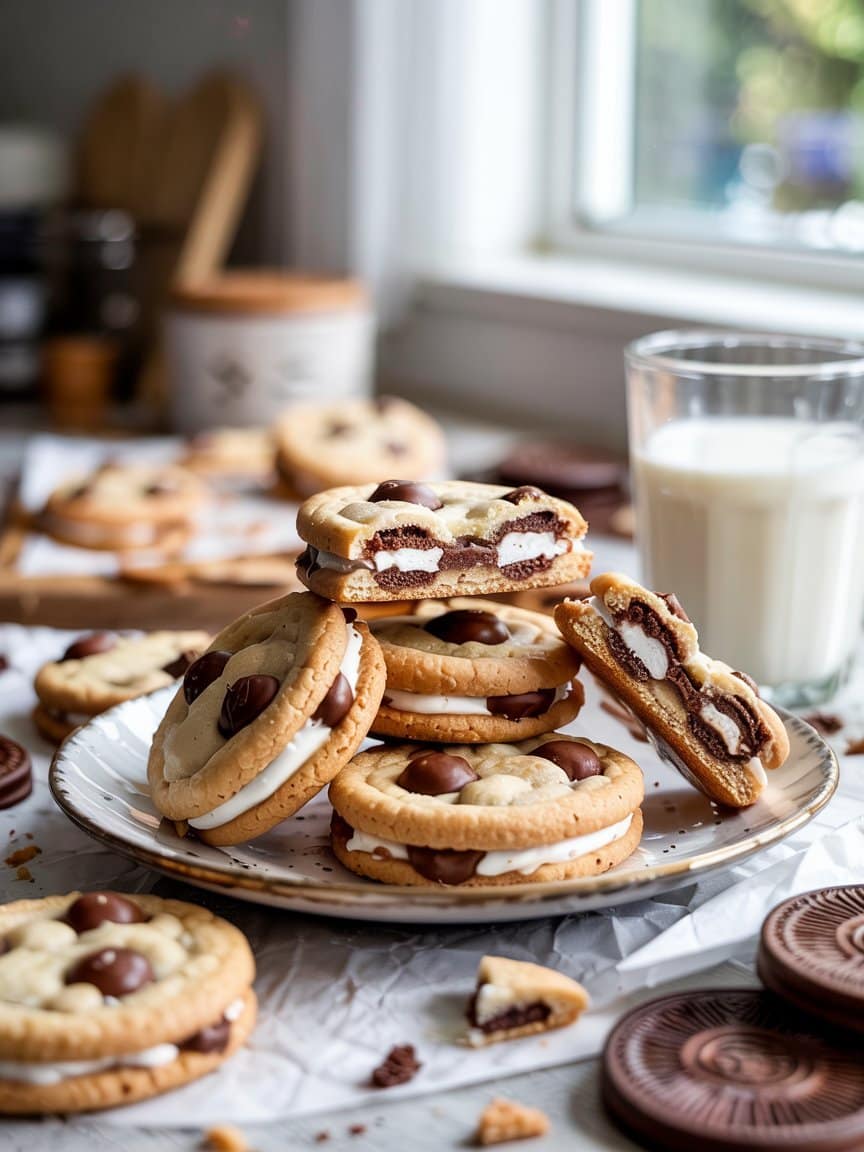
If you love the nostalgic crunch of chocolate sandwich cookies and the warm comfort of a freshly baked cookie, you’re in for a treat. This Cookies and Cream Cookies Recipe combines the best of both worlds: a tender, buttery cookie studded with chunks of chocolate sandwich cookies and a subtle creaminess that keeps every bite exciting. In this post I’ll walk you through everything you need to know to bake perfect cookies every time — from ingredient selection and step-by-step instructions to clever variations, troubleshooting, storage, and serving ideas. Whether you’re a home baker or a content creator seeking a show-stopping recipe, this guide has you covered.
Why this Cookies and Cream Cookies Recipe works
This recipe is built around two complementary textures: a soft, slightly chewy cookie base and the crunchy, chocolatey pieces of sandwich cookies (think Oreo-style). The dough uses brown sugar for chewiness, a touch of cornstarch for tenderness, and a balance of butter and egg to set the crumb. Adding chopped sandwich cookies rather than just crumbs preserves texture and visual appeal — those large pockets of biscuit give each cookie character. The result is a cookie that’s not overly sweet, with pronounced chocolate notes and a creamy contrast from the sandwich filling.
Ingredients — what to buy and why
Here’s a well-balanced ingredient list for about 24 medium cookies (adjustable). I’ll include substitution notes and quality guidance.
- 2 ¼ cups (280 g) all-purpose flour — the structural backbone. Measure by weight for accuracy.
- 1 teaspoon baking soda — for lift.
- ½ teaspoon fine sea salt — balances sweetness.
- 2 teaspoons cornstarch — yields a softer, more tender cookie.
- ¾ cup (170 g) unsalted butter, softened (not melted) — use high-quality butter for flavor.
- ¾ cup (150 g) granulated sugar
- ¾ cup (165 g) light brown sugar, packed — adds moisture and caramel notes.
- 1 large egg + 1 large egg yolk, room temperature — yolk enriches the dough and increases chew.
- 2 teaspoons pure vanilla extract — flavor enhancer; use real vanilla for depth.
- 1 ½–2 cups (150–200 g) chocolate sandwich cookies, coarsely chopped — pick your favorite brand; aim for a mix of cookie and cream pieces.
- Optional: ½ cup (85 g) white chocolate chips or chunks — for contrast and extra creaminess.
- Optional garnish: flaky sea salt or crushed sandwich cookie crumbs.
Notes:
- If you want intense chocolate flavor in the cookie base, replace ¼ cup (30 g) flour with Dutch-process cocoa powder (unsweetened) — more on that in the variations section.
- For gluten-free: use a 1:1 gluten-free flour blend that contains xanthan gum.
- For vegan: substitute plant-based butter and use a flax egg (1 tablespoon ground flax + 2.5 tbsp water per egg) — texture will differ slightly.
Tools and equipment
You don’t need a pro kitchen, but a few tools will make success much more consistent:
- Mixing bowls (one large, one medium)
- Electric mixer (stand or hand) — optional but helpful for creaming.
- Rubber spatula
- Digital scale (highly recommended)
- Measuring cups/spoons
- Baking sheets (rimmed)
- Parchment paper or silicone baking mats
- Scoop (1.5 tbsp or 2-tablespoon cookie scoop) for even cookies
- Wire rack for cooling
- Cooling tray and airtight containers for storage
Preparation — before you start
- Bring key ingredients to room temperature. Butter, eggs, and any dairy should be around 65–72°F (18–22°C). This helps them incorporate more smoothly.
- Preheat your oven to 350°F (175°C) when you’re about 20 minutes away from baking. (If using convection, reduce to 325°F/165°C and check earlier.)
- Chop the sandwich cookies: Use a chef’s knife or pulse in a food processor for large chunks. You want variety — some big pieces and some crumbs.
- Line your baking sheets with parchment paper or silicone mats to prevent sticking and encourage even browning.
- Sift dry ingredients (flour, baking soda, cornstarch, salt) into a bowl to remove lumps and ensure even distribution.
Step-by-step method
Follow these steps for consistent results.
1. Cream the butter and sugars
In a large bowl, beat the softened butter with the granulated and brown sugars for 2–3 minutes on medium speed until the mixture is light, fluffy, and slightly pale. Proper creaming traps air which helps cookies rise and gives a nice texture.
2. Add eggs and vanilla
Add the egg and egg yolk, one at a time, beating well after each addition. Scrape down the bowl. Mix in the vanilla extract. The dough should look smooth and shiny.
3. Incorporate the dry ingredients
With the mixer on low, gradually add the flour mixture in two additions. Mix just until combined — overmixing creates gluten and can lead to tough cookies. Finish combining with a spatula if needed.
4. Fold in cookies and optional chips
Gently fold in the chopped chocolate sandwich cookies and any white chocolate chips. Aim for an even distribution while keeping some larger chunks intact.
5. Chill the dough (recommended)
For best flavor and shape, chill the dough for at least 30 minutes to 2 hours. You can also chill overnight. Chilling firms the fat, preventing excessive spread and concentrating flavors. If short on time, you may bake immediately — expect slightly flatter cookies.
6. Portion and bake
Use a 1.5-tablespoon or 2-tablespoon scoop to portion dough (approx. 30–40 g per cookie depending on size). Space about 2 inches (5 cm) apart on the baking sheet.
Bake at 350°F (175°C) for 10–12 minutes, rotating the sheet halfway through. Look for edges that are set and lightly golden while centers remain soft. For larger cookies increase time by 1–3 minutes. If you want chewier centers, remove cookies at 9–10 minutes.
7. Finish and cool
If desired, sprinkle a tiny pinch of flaky sea salt or some crushed cookie crumbs on each hot cookie to boost contrast. Let cookies rest on the baking sheet for 5 minutes — this allows them to finish setting — then transfer to a wire rack to cool completely.
Baking times and temperatures — quick reference
- Temperature: 350°F (175°C) conventional, 325°F (165°C) convection.
- Cookie size (2 tbsp scoop): 10–12 minutes.
- Cookie size (3 tbsp): 12–15 minutes.
- For extra-chewy: use more brown sugar, shorter bake time, and chill dough for 1 hour.
- For crispier cookies: flatten slightly before baking and bake for an extra 1–2 minutes.
Tips for perfect Cookies and Cream Cookies every time
- Weigh ingredients. Baking is chemistry. Using a digital scale yields consistent results.
- Don’t overmix after adding flour. Mix until just combined to preserve tenderness.
- Chill the dough. This improves texture, flavor, and appearance — and reduces spreading.
- Test-bake. Bake a single cookie first to check spread and adjust oven time accordingly.
- Check oven temperature. Ovens vary; an oven thermometer prevents under/over-baking.
- Chunk size matters. Keep some larger pieces of sandwich cookie for dramatic texture and ribboned appearance.
- Room-temperature eggs. They emulsify better, creating a smoother dough.
- Use quality butter. It makes a surprisingly big difference to flavor.
- Add a little cornstarch. It’s the secret ingredient many bakers use to create soft, pillowy cookies.
- Avoid too many inclusions. If you add chips plus big chunks, cookies can spread oddly — balance your mix-ins (max 1 ½ cups of total add-ins for this dough).
Troubleshooting common problems
- Cookies spread too much: Your butter might be too soft or you didn’t chill the dough. Try chilling the dough, and check oven temperature.
- Cookies are flat and greasy: Overcreaming butter and sugar can incorporate too much air. Also avoid using melted butter in this recipe.
- Cookies are cakey: You may have used too much flour or overmixed. Reduce flour slightly and mix less.
- Cookies are dry: Reduce bake time slightly or bake at a lower temperature. Ensure correct measurement of flour.
- Add-ins sink: If add-ins are too heavy or the dough is too soft, chill the dough and fold in the add-ins gently.
Variations — make it your own
This Cookies and Cream Cookies Recipe is versatile. Here are several tasty riffs:
Double-stuffed deluxe
Use double-stuffed chocolate sandwich cookies for bigger cream pockets. Add ½ cup white chocolate chips to emphasize the creaminess.
Cocoa cookie base
Replace ¼ cup flour with ¼ cup Dutch-process cocoa powder. This produces a richer, chocolate base so the sandwich cookie chunks create intense chocolate-on-chocolate contrast.
Mint-chocolate twist
Add ½ teaspoon peppermint extract in place of one of the teaspoons of vanilla. Use mint sandwich cookies or add chopped Andes mints. Top with a drizzle of melted dark chocolate.
Brown-butter version
Brown the butter until nutty and amber, cool to room temp, then use in place of softened butter. The cookies will have a deep, toasty flavor that pairs beautifully with the sandwich cookie pieces.
Nutty crunch
Fold in ⅓ cup chopped toasted pecans or almonds for a nutty counterpoint. Toasting nuts intensifies flavor.
Vegan option
Use vegan butter and replace the egg + yolk with 2 “flax eggs” (2 tbsp ground flax + 6 tbsp water, chilled). The texture will be slightly different but still delicious.
Gluten-free
Use a 1:1 gluten-free flour blend and be mindful of the sandwich cookies (use gluten-free sandwich cookies).
Serving suggestions and presentation
Cookies and Cream cookies are incredibly flexible when it comes to serving:
- Classic: Warm cookies with a tall glass of cold milk — the original dream team.
- Dessert plate: Serve two cookies with a scoop of vanilla ice cream and a drizzle of chocolate sauce for an instant à la mode.
- Cookie sandwich: Spread a thin layer of vanilla frosting or buttercream between two cookies for an elevated treat.
- Crumb use: Crush leftover cookies and sprinkle over ice cream, pudding, or incorporate into milkshakes.
- Party platter: Arrange cookies on a platter with varying sizes and flavors (mint, double-chocolate, white chocolate) for visual interest.
- Gifting: Stack 6–8 cooled cookies and tie with ribbon or place in a decorative tin for thoughtful edible gifts.
Storage, freezing, and make-ahead tips
- Room temperature: Store cooled cookies in an airtight container for up to 3 days.
- Refrigerator: Keep in an airtight container for up to 10 days. Bring to room temp before serving for best texture.
- Freezing baked cookies: Freeze single-layer on a tray until firm, then transfer to a freezer bag for up to 3 months. Thaw at room temp for 30–60 minutes.
- Freezing dough: Scoop dough onto a tray, freeze until firm, then store scoops in an airtight container for up to 3 months. Bake from frozen; add 1–2 minutes to baking time.
- Make ahead: Dough flavors deepen overnight in the fridge — allow slightly longer to come to baking consistency when chilled overnight.
Nutrition notes and dietary adaptations
Cookies are an indulgence, and portion control is practical. For those tracking nutrition:
- Typical medium cookie (2 tbsp scoop) may range from ~110–160 calories depending on add-ins and butter content.
- To reduce calories: use less chocolate chips, swap a portion of butter for unsweetened applesauce (note: texture changes), or make smaller cookies.
- For allergens: adjust for nut-free, gluten-free, or dairy-free needs as outlined in the variation section. Label clearly if serving to guests.
Photography and content tips (if you want to share online)
If you’re making this Cookies and Cream Cookies Recipe for a blog or social post, a few tips to make your photos sing:
- Shoot while cookies are slightly warm for that glossy, just-baked look. Capture steam rising from an ice-cream topped cookie for drama.
- Use natural light and a shallow depth of field to focus attention on cookie texture and chunks of sandwich cookie.
- Add props: a glass of milk, a scattering of cookie crumbs, and perhaps one half of a sandwich cookie to signal the flavor.
- Include step shots: the dough studded with cookies, scooped dough on a tray, and close-ups of the finished edge and cross-section.
- Write descriptive alt text and captions — mention “Cookies and Cream Cookies Recipe” naturally in your copy for SEO benefit.
Frequently asked questions
Can I use store-bought sandwich cookies or should I make my own?
Store-bought chocolate sandwich cookies work perfectly and save time. If you want to experiment, homemade sandwich cookies offer full control over sweetness and texture.
Why add an extra yolk?
The additional yolk enriches the dough, creating a chewier interior and richer flavor.
Do I really need cornstarch?
Cornstarch is optional but recommended for a softer, more tender cookie. It’s a common trick in many bakery-style cookies.
How do I make cookies with crisp edges and a soft center?
Bake at 350°F and remove cookies when edges are set but centers look slightly underdone. Let them rest on the sheet — they’ll continue to set without overbaking.
Final notes and bake-with-me encouragement
This Cookies and Cream Cookies Recipe is designed to be a reliable, flexible foundation — easy to adapt and endlessly enjoyable. Whether you’re baking for a crowd, creating content, or simply craving something cozy, these cookies strike a lovely balance between soft, tender dough and crunchy chocolate sandwich cookie pockets. Small choices — chilling the dough, measuring by weight, and testing a first cookie — make a big difference in the final product.
Baking should be fun, so don’t be afraid to experiment with different sandwich-cookie brands, add-ins, and sizes. Try the brown-butter version for a nutty depth, or go double-stuffed for dramatic cream pockets. And if you share your photos online, tag the recipe name in your caption: Cookies and Cream Cookies Recipe — it’s descriptive, searchable, and guaranteed to spark cravings.

Cookies and Cream Cookies Recipe
Ingredients
- 2 ¼ cups 280 g all-purpose flour
- 1 teaspoon baking soda
- ½ teaspoon fine sea salt
- 2 teaspoons cornstarch
- ¾ cup 170 g unsalted butter, softened
- ¾ cup 150 g granulated sugar
- ¾ cup 165 g light brown sugar, packed
- 1 large egg room temperature
- 1 large egg yolk room temperature
- 2 teaspoons pure vanilla extract
- 1 ½ –2 cups 150–200 g chocolate sandwich cookies, coarsely chopped
- Optional: ½ cup white chocolate chips or chunks
- Optional topping: flaky sea salt or extra crushed sandwich cookies
Instructions
- Prepare the oven: Preheat oven to 350°F (175°C). Line two baking sheets with parchment paper.
- Mix dry ingredients: In a bowl, whisk together flour, baking soda, salt, and cornstarch. Set aside.
- Cream butter and sugars: In a large bowl, beat butter, granulated sugar, and brown sugar until light and fluffy (2–3 minutes).
- Add eggs and vanilla: Beat in the egg and egg yolk until fully combined. Mix in vanilla extract.
- Combine dry ingredients: Gradually add dry ingredients to the wet mixture, mixing just until incorporated.
- Fold in cookies: Gently fold in chopped chocolate sandwich cookies and optional white chocolate chips.
- Chill dough (recommended): Cover and chill dough for 30 minutes for thicker cookies.
- Scoop and bake: Scoop 1.5–2 tablespoons of dough per cookie and place 2 inches apart. Bake for 10–12 minutes, until edges are set and centers are soft.
- Cool: Let cookies cool on the baking sheet for 5 minutes, then transfer to a wire rack to cool completely.
Notes
- Storage: Store cookies in an airtight container at room temperature for up to 3 days or refrigerate up to 10 days.
- Freezing: Freeze baked cookies or cookie dough scoops for up to 3 months.
- Variations: Add cocoa powder for a chocolate cookie base.
- Use double-stuffed sandwich cookies for extra creaminess.
- Sprinkle flaky sea salt on warm cookies for flavour contrast.
- Tip: Slightly under bake for softer, chewier centers.