
Chicken Ghee Roast Recipe
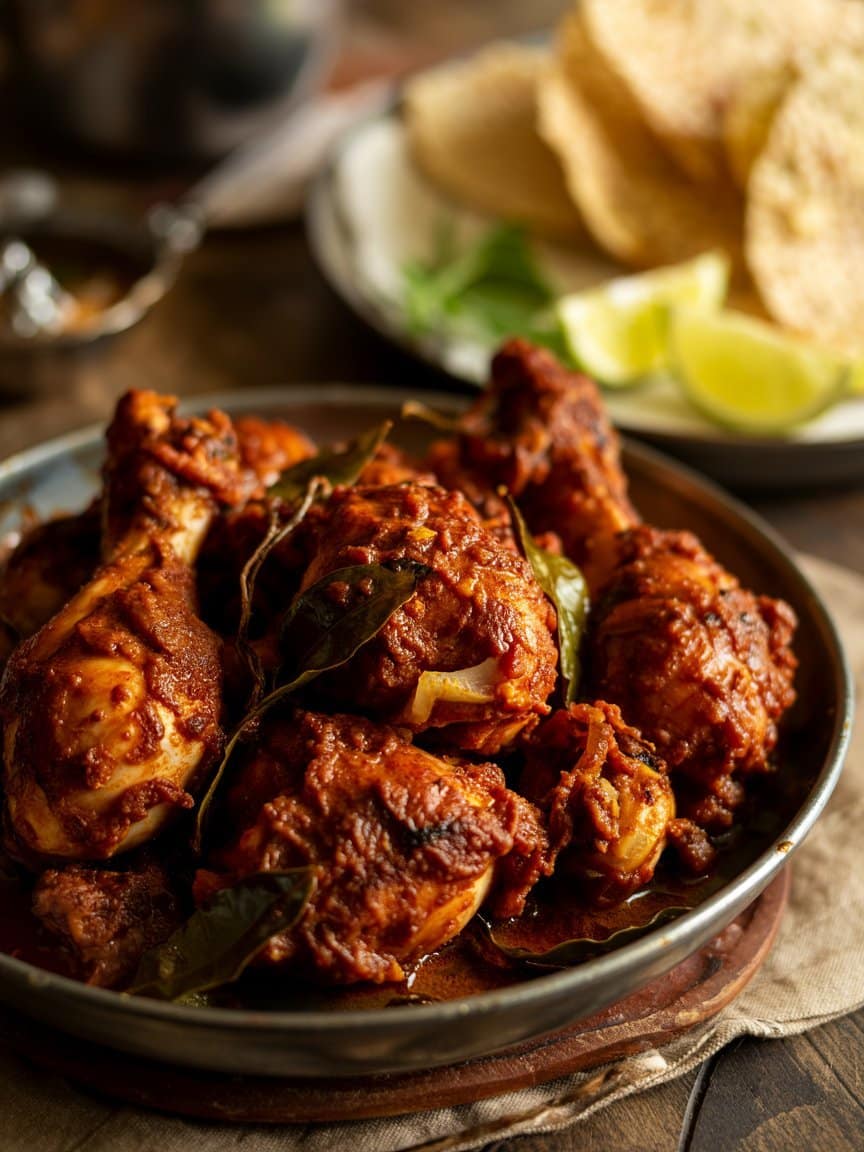
If there is one dish that can instantly make a dinner feel special, it is Chicken Ghee Roast Recipe. Deeply aromatic, beautifully spiced, and luxuriously coated in ghee, this iconic dish is a celebration of bold South Indian flavours. It is the kind of recipe that fills your kitchen with an irresistible roasted spice aroma long before the chicken reaches the plate. The first bite is unforgettable: tender chicken, a glossy red masala, warm heat, tangy depth, and the unmistakable richness of ghee tying everything together.
This is not a quick throw-together chicken dish. It is a dish with personality, history, and layers of flavour. That is exactly why so many home cooks and food lovers search for a reliable Chicken Ghee Roast Recipe that delivers restaurant-style results without feeling overly complicated. In this post, I will walk you through everything you need to know to make it beautifully at home: the ingredients, the spice balance, the cooking method, smart tips, variations, serving ideas, storage guidance, and common mistakes to avoid.
Whether you are making this for a family dinner, a weekend feast, or a special occasion, this Chicken Ghee Roast Recipe is designed to give you a dish that tastes rich, balanced, and deeply satisfying.
What Is Chicken Ghee Roast?
Chicken ghee roast is a much-loved South Indian dish known for its red, roasted masala and its signature use of ghee. While different regions and cooks prepare it with small variations, the essence remains the same: chicken is cooked with spices, roasted in ghee, and coated in a thick, intensely flavoured masala that clings to every piece.
Traditionally associated with coastal Karnataka cuisine, this dish is famous for the way it balances heat, tang, sweetness, and richness. It is bold, but not one-dimensional. The spices are roasted to bring out their fragrance. Tamarind adds brightness. Jaggery or a touch of sugar softens the heat. And ghee gives the whole dish a silky, luxurious finish.
What makes this Chicken Ghee Roast Recipe so beloved is that it feels both rustic and elegant at the same time. It is equally at home on a festive table as it is beside a simple bowl of rice or flaky parotta.
Why You Will Love This Chicken Ghee Roast Recipe
There are many reasons this dish has a loyal following, but a few stand out especially.
First, the flavour is extraordinary. The masala is layered and well-rounded, not just spicy. You get the warmth of dry red chilies, the earthy depth of coriander, the fragrance of cumin, the tartness of tamarind, and the richness of ghee in every mouthful.
Second, the texture is fantastic. The chicken is cooked until tender, then coated in a thick, sticky masala that is almost jam-like in its cling. That texture is what makes this dish feel restaurant-style.
Third, this recipe is versatile. You can serve it dry as a starter, slightly saucy with rice, or with parotta, naan, appam, or dosa. It fits many meals and moods.
Finally, while it tastes impressive, it is very doable at home. Once you understand the spice roasting and the masala-building process, this Chicken Ghee Roast Recipe becomes straightforward and repeatable.
Ingredients for Chicken Ghee Roast
A great chicken ghee roast begins with good ingredients. You do not need anything overly fancy, but choosing fresh spices and using the right proportions makes a big difference.
For the chicken
You will need:
- Chicken pieces, preferably bone-in for maximum flavor
- Salt
- Turmeric powder
- Yogurt or curd
- A little lemon juice or vinegar, optional for extra tenderness
Bone-in chicken gives the dish a deeper, more satisfying taste, though boneless chicken can also work if you prefer easier serving.
For the roasted spice base
This is the heart of the dish.
You will need:
- Dry red chilies
- Coriander seeds
- Cumin seeds
- Black peppercorns
- Fenugreek seeds, just a little
- Fennel seeds
- Mustard seeds, optional in small quantity
- Cloves
- Cinnamon
- Curry leaves
- Garlic
- Ginger
- Tamarind pulp
- Jaggery or sugar
- Ghee
The exact chili variety matters because it affects both color and heat. A mix of mild and medium-hot dried red chilies often works best. That gives you a deep red color without overwhelming fire.
Optional finishing ingredients
- Fresh coriander leaves
- Extra curry leaves
- A small spoon of ghee for finishing
- Lemon juice, if you want a brighter edge
The Flavor Profile of a Great Chicken Ghee Roast Recipe
A well-made chicken ghee roast should taste layered, not flat. The flavor should move in stages.
First comes the aroma of roasted spices. Then the heat of chilies appears. Tamarind brings tanginess. Jaggery softens and rounds the flavour. Garlic and ginger give body and depth. And ghee provides richness that keeps the masala from feeling too sharp.
A common mistake is to think this dish should be extremely spicy and nothing else. That is not the goal. The best Chicken Ghee Roast Recipe has balance. It should be bold, yes, but also aromatic, slightly tangy, and just a little sweet underneath the heat.
How to Prepare Chicken for Ghee Roast
Proper chicken preparation matters a lot here. Since the masala is intense, the chicken needs enough seasoning to stand up to it.
Start by washing and patting the chicken dry. Then marinate it with salt, turmeric, and yogurt. This helps tenderize the meat and gives the chicken a gentle base flavour. Let it rest for at least 30 minutes. If you have more time, an hour or even longer is even better.
If using bone-in chicken, make small cuts on the pieces so the marinade and masala can penetrate more easily. This is especially useful for drumsticks or larger pieces.
Do not over-marinate with too much yogurt. You want the chicken flavourful, not watery. The final dish should roast well in ghee rather than steam in excess liquid.
Step-by-Step Chicken Ghee Roast Recipe
Here is the cooking flow in a clear, practical sequence.
Step 1: Marinate the chicken
Combine chicken with salt, turmeric, and yogurt. Mix well so every piece is coated. Set it aside while you prepare the spice blend.
Step 2: Roast the spices
Heat a pan and add dry red chilies, coriander seeds, cumin seeds, peppercorns, fennel, fenugreek, cloves, cinnamon, and curry leaves. Roast them gently until aromatic. Be careful not to burn the chilies, or the masala will turn bitter.
This roasting step is crucial. It unlocks the flavor of the spices and gives the dish its signature depth.
Step 3: Blend the masala
Allow the roasted spices to cool slightly, then grind them with garlic, ginger, tamarind pulp, and a little water into a thick paste. The paste should be smooth enough to coat chicken well but still thick and concentrated.
Step 4: Cook the chicken
In a heavy pan, heat ghee. Add the marinated chicken and saute it until the surface changes color and the pieces begin to cook through. You do not need to fully brown it at this stage, but you do want to start building flavour in the ghee.
Step 5: Add the masala
Add the ground spice paste to the chicken and mix thoroughly. Cook on medium-low heat so the masala clings and roasts rather than burning. Stir occasionally so it does not stick to the pan.
Step 6: Balance the flavor
Add jaggery or a small amount of sugar. Taste and adjust salt if needed. The dish should be spicy, tangy, and slightly sweet, with a rich ghee finish.
Step 7: Finish roasting
Continue cooking until the masala thickens and becomes glossy, coating the chicken beautifully. Add a little extra ghee at the end for shine and flavour. Garnish with curry leaves or coriander leaves if desired.
Important Tips for the Best Chicken Ghee Roast Recipe
A few smart techniques will take your dish from good to excellent.
Use good ghee. Since ghee is a core ingredient, its quality matters. A fragrant, clean-tasting ghee gives the dish a richer finish.
Do not rush the roasting process. The spice paste needs time to cook down and develop depth. High heat can burn the masala before the flavours mature.
Adjust the chilies carefully. If you prefer more color than heat, choose milder dried red chilies. If you love spice, add a hotter variety or a few extra chilies.
Cook until the masala oils release. When the ghee begins separating slightly from the masala, you know the dish is cooking properly and the flavours are melding.
Let the chicken absorb the masala. Resting for a few minutes after cooking allows the spices to settle into the meat, making the dish taste even better.
Use a heavy-bottomed pan. This helps prevent burning and gives more even roasting.
Common Mistakes to Avoid
Even a great Chicken Ghee Roast Recipe can go wrong if a few details are missed.
One mistake is burning the spices. Dry red chilies and whole spices can turn bitter quickly, so roast them gently.
Another mistake is adding too much water. This dish is meant to be richly coated, not soupy. A wet masala will take too long to reduce and can dull the flavour.
Some cooks also overdo the tamarind. Too much can make the dish overly sour and mask the balance.
Another issue is undercooking the masala. Raw spice paste tastes harsh, so it needs enough time to cook properly in ghee.
Finally, do not skimp on salt and seasoning. Because the flavours are so bold, proper seasoning is essential for the dish to taste complete.
Variations of Chicken Ghee Roast
One of the nicest things about this recipe is how adaptable it is. Once you understand the base method, you can make thoughtful variations.
Mangalorean-style chicken ghee roast
This version leans into the classic coastal flavour profile with red chilies, tamarind, and roasted spices. It is often the benchmark for the dish.
Dry chicken ghee roast
If you want a starter-style version, continue roasting until the masala is thick and almost dry. This version is excellent as an appetizer with onions and lemon wedges.
Gravy-style chicken ghee roast
For a slightly saucier meal, stop cooking a little earlier and add a small splash of water or chicken stock. Serve it with rice or bread.
Boneless chicken ghee roast
Boneless chicken cooks faster and is easier to serve at parties. It works well, though the flavour is usually deeper with bone-in pieces.
Spicier version
Add more hot chilies or a pinch of chili powder, but keep the balance in mind. The best heat is one that supports the flavor rather than overpowering it.
Mild family version
Use fewer chilies and slightly more jaggery. This makes the dish more approachable for those who prefer moderate spice.
What to Serve With Chicken Ghee Roast
Serving matters because this dish is so flavourful and concentrated. The right side can make the meal feel complete.
Traditionally, Chicken Ghee Roast Recipe pairs beautifully with neer dosa, appam, parotta, chapati, or plain steamed rice. The soft, mild accompaniments help balance the bold masala.
You can also serve it with:
- Lemon rice
- Jeera rice
- Ghee rice
- Malabar parotta
- Soft naan
- Appam
- Roti
- Bread rolls for a fusion-style meal
For a fuller spread, add a fresh onion salad, cucumber raita, or a simple vegetable side to cool the palate.
Garnishing Ideas
A garnish is not just decoration. It adds freshness and contrast.
Top the finished dish with:
- Fresh curry leaves lightly fried in ghee
- Chopped coriander leaves
- Thinly sliced onions
- Lemon wedges on the side
If you are serving it as a starter, a bed of onion rings and a few sprigs of coriander can make it look especially inviting.
How to Store and Reheat Chicken Ghee Roast
This dish keeps well, and in many homes, the flavour improves the next day.
Store leftovers in an airtight container in the refrigerator. It will usually keep well for up to 3 days.
To reheat, warm it gently in a pan over low heat. Add a small spoon of ghee or a splash of water if needed to loosen the masala. Avoid high heat, which can dry out the chicken and darken the spices.
If you are making it ahead for a party, prepare it slightly earlier and finish it with a final spoonful of ghee just before serving. That refreshes the aroma beautifully.
Can You Make Chicken Ghee Roast Ahead of Time?
Yes, and in many cases it tastes even better after resting.
You can marinate the chicken earlier in the day or even the night before. The masala can also be prepared a few hours ahead. If you want to make the full dish in advance, cook it completely, cool it, and reheat gently before serving.
This makes the recipe very practical for entertaining. It also allows the flavours to deepen and meld, which is especially welcome in a rich dish like this.
Is This Chicken Ghee Roast Recipe Very Spicy?
It can be, but it does not have to be overwhelming. The spice level depends mostly on the type and quantity of dried red chilies you use.
If you want moderate heat, choose milder chilies and remove some seeds if needed. The goal is a flavourful, vibrant dish rather than a challenge. The spice should feel warm and lively, not harsh.
The beauty of a good Chicken Ghee Roast Recipe is that the spice is integrated into the richness, tang, and aroma of the dish. That balance keeps it enjoyable even for people who do not usually eat very spicy food.
Why Ghee Matters So Much
Ghee is not just a fat in this recipe. It is part of the identity of the dish.
Ghee gives the masala its signature sheen and helps carry the aroma of the spices. It softens sharp edges and makes the final flavour feel rounded and luxurious. Butter is not the same here. Oil can work in a pinch, but it will not give the same depth.
For the best result, use ghee generously but thoughtfully. The dish should feel rich, not greasy. When the amount is right, the final coating on the chicken feels velvety and deeply satisfying.
A Professional Chef’s Final Advice
The secret to a memorable Chicken Ghee Roast Recipe is not one dramatic trick. It is attention to small details: roasting spices patiently, balancing heat with tang and sweetness, cooking the masala until it loses its raw edge, and finishing with enough ghee to make the dish shine.
Taste as you go. Trust your senses. If the masala seems too sharp, a little jaggery can soften it. If it seems flat, a touch more salt or tamarind may help. If it feels dry, a spoon of ghee can bring it back to life. This is the kind of recipe that rewards careful cooking.
When done well, it is the kind of dish people remember. It has that rare combination of comfort and drama, familiarity and intensity. That is why this Chicken Ghee Roast Recipe remains such a favourite among home cooks and restaurant lovers alike.
Frequently Asked Questions
Can I make this recipe without tamarind?
Tamarind is one of the key flavours, but if you do not have it, you can use a small amount of lemon juice at the end. The taste will be different, but still pleasant.
Can I use chicken breast?
Yes, but it cooks quickly and can dry out more easily. Thighs or bone-in pieces usually give better results.
Can I reduce the ghee?
You can reduce it slightly, but because this dish depends on ghee for flavour and texture, cutting too much will change the character of the recipe.
Is this dish suitable for parties?
Absolutely. It is excellent for gatherings because it tastes rich, looks impressive, and can be made ahead of time.
What makes this different from other chicken curry recipes?
The roasting of the spices in ghee, the thick masala coating, and the balance of chili, tamarind, and sweetness make this Chicken Ghee Roast Recipe distinct from a typical curry.
Conclusion
A well-made Chicken Ghee Roast is a dish with depth, warmth, and unforgettable flavour. It brings together roasted spices, tangy tamarind, rich ghee, and tender chicken in a way that feels both comforting and special. Once you make this Chicken Ghee Roast Recipe at home, it is likely to become one of those dishes you return to whenever you want something bold, festive, and deeply satisfying.
The key is simple: roast patiently, balance carefully, and finish generously with ghee. Do that, and you will have a dish that tastes every bit as good as it smells.
Chicken Ghee Roast Recipe
Ingredients
For Chicken Marinade:
- 500 g chicken bone-in preferred
- ½ cup yogurt curd
- 1 tsp turmeric powder
- 1 tbsp lemon juice
- Salt to taste
For Ghee Roast Masala:
- 6 –8 dried red chilies mix of mild & spicy
- 1 tbsp coriander seeds
- 1 tsp cumin seeds
- 1 tsp black peppercorns
- ½ tsp fennel seeds
- A pinch of fenugreek seeds
- 3 –4 cloves
- 1 small cinnamon stick
- 6 –8 garlic cloves
- 1- inch ginger
- 1 tbsp tamarind pulp
- 2 –3 tbsp water for grinding
For Cooking:
- 3 –4 tbsp ghee
- 1 medium onion finely chopped
- 10 –12 curry leaves
- 1 –2 tsp jaggery or sugar
- Salt to taste
For Garnish:
- Fresh coriander leaves
- Extra curry leaves
Instructions
Step 1: Marinate the Chicken
- In a bowl, combine chicken, yogurt, turmeric, lemon juice, and salt. Mix well and let it marinate for at least 30–60 minutes.
Step 2: Roast the Spices
- Heat a pan on low flame and dry roast red chilies, coriander seeds, cumin seeds, peppercorns, fennel seeds, fenugreek seeds, cloves, and cinnamon until aromatic. Do not burn.
Step 3: Prepare Masala Paste
- Cool the roasted spices and grind them with garlic, ginger, tamarind pulp, and a little water into a smooth, thick paste.
Step 4: Cook the Chicken
- Heat 2 tbsp ghee in a pan. Add marinated chicken and cook on medium heat until partially cooked and moisture reduces.
Step 5: Build the Masala
- In the same pan, add remaining ghee. Add curry leaves and chopped onions. Saute until soft and translucent.
Step 6: Combine and Roast
- Add the prepared masala paste and cook for 2–3 minutes. Then add the chicken and mix well so it’s coated evenly.
Step 7: Slow Roast
- Cook on low heat, stirring occasionally, until the masala thickens and starts releasing ghee from the sides.
Step 8: Balance Flavours
- Add jaggery and adjust salt. Mix well and cook until the chicken is fully coated in a thick, glossy masala.
Step 9: Finish & Serve
- Garnish with curry leaves and coriander. Serve hot.
Notes
- Spice Level: Adjust dried red chilies based on your heat preference.
- Consistency: This dish should be thick and coated, not watery.
- Best Pan: Use a heavy-bottom pan for even roasting.
- Flavour Tip: Adding jaggery balances spice and tamarind tang.
- Storage: Refrigerate up to 3 days in an airtight container.
- Reheating: Reheat with a little ghee to revive flavours.
- Variation: Use boneless chicken for quicker cooking, though bone-in gives deeper flavour.
- Make Ahead: The dish tastes even better after resting for a few hours.