
Carrot Bunt Cake Recipe

Warm, spiced, and finished with a tangy glaze or classic cream cheese frosting, a well-made carrot cake is comfort food at its most elegant. In this long-form, chef-style guide I’ll walk you through everything you need to know to make a stunning Carrot Bunt Cake Recipe (yes — often spelled “Bundt” for the pan shape) that’s moist, balanced, and impressive enough for company yet easy enough for an everyday treat.
This guide covers ingredients, equipment, step-by-step technique, troubleshooting, flavour variations, make-ahead tips, serving suggestions, and storage — everything you’d expect from a professional kitchen, presented clearly and kindly for home bakers.
Why this Carrot Bunt Cake Recipe works
Balance of moisture and structure. The cake uses a blend of oil and eggs for tenderness and lift, plus grated carrots and optional crushed pineapple or applesauce for added moisture and flavour.
Smart spice mix. Cinnamon, a touch of nutmeg, and optional cardamom or ginger give warmth without overpowering the cake’s sweetness and carrot character.
Texture contrast. Toasted walnuts or pecans and optional raisins add little bursts of chew or crunch so each bite is interesting.
Bundt pan shape. The fluted pan creates eye-catching slices and increases crust surface area, which gives the cake a delightful caramelised edge.
Ingredients
This ingredient list makes one 10–12 cup Bundt / bunt pan cake (about 10–12 servings). Measure carefully — baking responds to ratios.
Dry ingredients
- 3 cups (360 g) all-purpose flour, spooned and leveled
- 1½ teaspoons baking soda
- 1½ teaspoons baking powder
- 1½ teaspoons fine sea salt
- 2 teaspoons ground cinnamon
- ½ teaspoon ground nutmeg
- ¼ teaspoon ground ginger (optional)
Wet ingredients
- 1½ cups (300 g) granulated sugar
- ½ cup (100 g) light brown sugar, packed
- 1 cup (240 ml) vegetable oil (or mild olive oil/avocado oil)
- 4 large eggs, room temperature
- 2 teaspoons pure vanilla extract
- 2 cups (about 220–240 g) finely grated carrots (about 4–5 medium carrots)
- ½ cup (120 g) crushed pineapple, well drained (optional — adds extra moisture and acidity)
- ½ cup (120 g) unsweetened applesauce (or ¼ cup more oil; optional)
Mix-ins (optional but recommended)
- 1 cup (100 g) chopped toasted walnuts or pecans
- ½ cup (75 g) golden raisins or currants (soaked in warm water 10 minutes and drained)
- Zest of 1 orange (for brightness)
For finishing (choose one)
- Classic cream cheese frosting (see recipe below), or
- Simple vanilla glaze (powdered sugar + milk + vanilla), or
- Brown butter glaze with a pinch of flaky sea salt
Equipment
- 10–12 cup Bundt / bunt pan (nonstick or well-buttered)
- Electric mixer (hand or stand) or a strong whisk and elbow grease
- Microplane or fine grater for carrots and zest
- Large mixing bowls (one for dry, one for wet)
- Rubber spatula and wooden spoon
- Kitchen scale (highly recommended for accurate results)
- Cooling rack
Prep: How to get ready (important steps)
- Bring eggs and dairy to room temperature. Room-temperature eggs incorporate more easily and give better volume. If you forgot, rest eggs in warm (not hot) water for 5–7 minutes.
- Preheat oven to 350°F (175°C). This is the standard starting point for a Bundt cake; if using convection, reduce to 325°F (163°C).
- Prepare the pan thoroughly. Even nonstick Bundt pans benefit from extra care: grease with butter or shortening, then dust with flour or use a baking spray with flour. For intricate pans, use a pastry brush to work fat into every flute. This prevents sticking and preserves detail.
- Toast the nuts (if using). Spread nuts on a sheet pan and toast at 350°F for 6–8 minutes, stirring once. Cool, then chop. Toasting deepens flavour and reduces raw bitterness.
- Grate the carrots finely. Use a microplane or the fine side of a box grater. Finely grated carrots disperse moisture evenly through the batter and avoid large carrot strands. Measure after grating for accuracy.
Step-by-step method
Below is a reliable method that emphasizes gentle mixing and correct order. This helps produce a tender crumb without overworking the gluten.
1. Combine dry ingredients.
In a large bowl whisk together flour, baking soda, baking powder, salt, cinnamon, nutmeg, and ginger. Whisk for 20–30 seconds so the leaveners are evenly distributed.
2. Mix sugars, oil, and eggs.
In the bowl of a stand mixer fitted with the paddle (or using a large bowl and hand mixer), combine granulated sugar, brown sugar, and oil. Mix on medium speed until blended, about 30 seconds. Add eggs one at a time, mixing 15–20 seconds after each until combined. Scrape the bowl. Add vanilla.
Chef tip: Unlike creamed butter cakes, oil-based cakes don’t need long whipping — we want emulsification, not an over-aerated batter.
3. Add wet extras.
Fold in grated carrots, crushed pineapple (if using), applesauce (if using), and orange zest with a spatula.
4. Bring dry and wet together.
Add about one-third of the dry mixture to the wet, folding gently until almost incorporated. Add half of the remaining wet-dry additions, then repeat. Finish with the last portion of dry. Use a spatula to fold until no streaks of flour remain. Stop as soon as combined — over mixing yields a tougher cake.
5. Fold in mix-ins.
Gently fold toasted nuts and raisins into the batter.
6. Transfer to pan.
Spoon batter into the prepared Bundt pan, smoothing the top with an offset spatula or back of a spoon. Lightly tap the pan on the counter once or twice to remove large air pockets. Don’t over-vibrate — small bubbles are fine.
7. Bake.
Place on the center rack and bake at 350°F (175°C) for 45–60 minutes. Time varies with pan depth and oven. Start checking at 40–45 minutes. The cake is done when a toothpick inserted into the deepest part comes out with moist crumbs (not wet batter) and the cake has a springy top. The internal temperature should be about 200–205°F (93–96°C) for a dense carrot cake.
8. Cool and unmold.
Cool in the pan on a rack for 15–20 minutes. Run a thin knife around the edges gently to loosen. Invert onto a rack and tap the bottom of the pan to release. Let cool completely before frosting, or keep slightly warm for a glaze that soaks in a bit.
Frosting & Glaze options
Classic Cream Cheese Frosting (for spreading)
- 8 oz (225 g) cream cheese, softened
- ½ cup (115 g) unsalted butter, softened
- 2–3 cups (250–375 g) powdered sugar, sifted (adjust to sweetness and consistency)
- 1 teaspoon vanilla extract
- Zest of ½ lemon or orange (optional)
Beat cream cheese and butter until smooth, then add powdered sugar gradually until thick and spreadable. Finish with vanilla and zest. Chill 10–15 minutes before spreading if the frosting is too soft.
Simple Vanilla Glaze (for drizzling)
- 1½ cups (180 g) powdered sugar
- 2–3 tablespoons milk or cream
- ½ teaspoon vanilla extract
Whisk to a pourable consistency. Drizzle over warm cake so it runs into the ridges of the bunt pan.
Brown Butter Glaze with Sea Salt
- ½ cup (115 g) butter, browned until nutty and aromatic, cooled slightly
- 1 cup (120 g) powdered sugar
- 2–3 tablespoons milk
- Pinch of flaky sea salt
Whisk and pour over warm cake; finish with a tiny pinch of sea salt for contrast.
Tips for success (from a chef’s perspective)
- Don’t over-grate the carrots. Very fine grating is ideal — it melts into the batter instead of leaving strings.
- Measure flour by weight. 1 cup AP flour = ~120 g. Too much flour dries the cake.
- Room temperature eggs matter. They emulsify more easily and help the batter rise evenly.
- Grease the pan well. Use butter then flour, or use a specialized bake spray. For decorative pans, make sure fat reaches every groove.
- Check doneness the right way. Toothpick with moist crumbs is okay; avoid waiting until it’s bone dry. Internal temp is the most reliable method.
- Cool before frosting. Cream cheese frosting will melt if the cake is warm. For a glaze, a slightly warm cake is perfect.
- Store correctly. Because cream cheese frosting is perishable, refrigerate finished cake. If un-frosted, wrap tightly and store at room temp for 2 days or refrigerate for up to a week.
Variations to try
Pineapple-Carrot Bunt Cake
Add the optional drained crushed pineapple and a tablespoon of its juice to the batter. Omit applesauce. This creates a lighter, tropical note.
Spiced Orange Carrot
Add the zest of 1 orange and 1 tablespoon orange juice to the batter. Increase cinnamon slightly and add ½ teaspoon cardamom.
Gluten-Free Carrot Bunt Cake
Substitute a 1:1 gluten-free flour blend that includes xanthan gum. Reduce mixing and add 1 teaspoon extra baking powder for lift. Texture will be different but tender.
Vegan Carrot Bunt Cake
Use flax eggs (4 tbsp ground flax + 12 tbsp water, chilled) and swap oil for a neutral oil, applesauce for some fat if desired, and a plant-based yogurt for richness. Use a commercial egg replacer for more lift.
Carrot-Coconut Bunt Cake
Fold in ½–¾ cup unsweetened shredded coconut and use toasted coconut for garnish. Swap part of the oil for coconut oil if you enjoy the flavour.
Maple-Brown Butter Carrot
Brown the butter and substitute half the sugar with maple syrup (reduce other liquid slightly). Finish with a maple glaze.
Troubleshooting: Common problems and fixes
- Cake stuck in pan. Make sure pan was greased thoroughly. Next time, dust with flour or use parchment circles (for loaf). For difficult pans, line the center tube with a small strip of parchment.
- Dense or gummy cake. Often caused by over-measuring flour, under-baking, or overmixing. Weigh flour and mix just until combined.
- Too dry. Could be over-baked or too much flour. Check oven temp with a thermometer. Add moist mix-ins (pineapple, applesauce) next time.
- Top cracks or domes. Excessive oven temperature or over-beating causes this. Use the correct temp and avoid excessive air incorporation.
- Soggy bottom or raw center. Likely underbaked; test for doneness in the deepest part. If the top browns too quickly, tent with foil and continue baking.
Make-ahead, freezing, and storage
Make-ahead: Bake the cake a day ahead and keep it at room temperature wrapped tightly in plastic wrap (if un-frosted). Frost on the day of serving for the freshest presentation.
Refrigerate: A frosted cake with cream cheese filling should be refrigerated and will keep 3–5 days. Let rest at room temp 20–30 minutes before serving for best texture.
Freeze: Wrap cooled, unfrosted cake tightly in plastic, then foil. Freeze up to 3 months. Thaw in the fridge overnight and bring to room temp before glazing/frosting. You can also freeze slices for quick treats.
Serving suggestions and presentation
- Simple slice with coffee or tea. Carrot cake pairs beautifully with black coffee, chai, or a milky tea.
- Dessert plate: Add a dollop of whipped cream or a quenelle of mascarpone and a small sprinkle of toasted nuts and orange zest.
- Brunch idea: Serve slices with Greek yogurt and a drizzle of honey and toasted walnut crumb.
- Party center: Dust the unfrosted cake very lightly with powdered sugar and arrange edible flowers or candied orange peels in the center. If frosted, pipe a ring of frosting and sprinkle chopped nuts.
Presentation tip: Because the bunt pan has beautiful ridges, glazing while the cake is still slightly warm produces an appealing “soaked in” effect that highlights the cake’s texture.
Nutrition & portioning (approximate)
A Bundt cake typically yields 10–12 slices. Nutrition varies with added nuts, frosting, and optional pineapple. As an estimate (per slice, unfrosted): ~350–450 calories depending on oil and sugar, with around 12–18 g fat, 40–60 g carbs, and moderate protein. Frosting adds calories and fat; use lighter glazes if you prefer.
Frequently Asked Questions (FAQs)
Q: Can I use a loaf pan instead of a bunt pan?
A: Yes. You’ll likely need two loaves or adjust timing (bake at 350°F for ~45–55 minutes; check doneness). Loaf pans produce more crust and a different slice but the flavor is the same.
Q: Why is my carrot cake dry even though there’s oil?
A: Over baking or too much flour are the main culprits. Check oven calibration and measure flour by weight.
Q: Is it better to grate or shred carrots?
A: Finely grated carrots are best for even texture. Coarsely shredded carrots create more visible strands and may change mouthfeel.
Q: Can I reduce sugar?
A: You can reduce granulated sugar by up to 25% safely without major changes, but sweetness balances the spices and carrot. If reducing more, consider adding a splash of maple syrup or honey for moisture and flavor.
Q: How do I keep nuts from sinking?
A: Toss chopped nuts in a tablespoon of flour before folding into the batter; this helps suspend them.
Final thoughts
This Carrot Bunt Cake Recipe combines reliable technique with flexible options so you can make a cake that’s exactly what you want — rustic and homey, bright and citrusy, or richly spiced and nutty. The Bundt-style shape elevates the appearance without adding complexity.
Whether you serve it for a cozy family breakfast, a festive afternoon tea, or a show-stopping dessert, this cake rewards careful attention to small details: proper pan prep, gentle mixing, and good quality ingredients. Try the classic cream cheese frosting for tradition, or a brown butter glaze for something a little more refined.
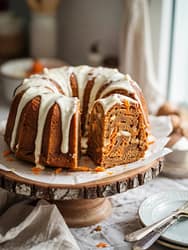
Carrot Bunt Cake Recipe
Ingredients
For the Carrot Bunt Cake
- 3 cups all-purpose flour
- 1½ teaspoons baking powder
- 1½ teaspoons baking soda
- 1½ teaspoons salt
- 2 teaspoons ground cinnamon
- ½ teaspoon ground nutmeg
- ¼ teaspoon ground ginger optional
- 1 cup vegetable oil
- 1 cup granulated sugar
- ½ cup brown sugar packed
- 4 large eggs room temperature
- 2 teaspoons vanilla extract
- 2 cups finely grated carrots
- ½ cup crushed pineapple drained (optional for extra moisture)
- ½ cup unsweetened applesauce optional
- 1 cup chopped walnuts or pecans optional
- ½ cup raisins optional
Cream Cheese Frosting (Optional)
- 8 oz cream cheese softened
- ½ cup unsalted butter softened
- 2 cups powdered sugar
- 1 teaspoon vanilla extract
- Pinch of salt
Instructions
Step 1: Prepare the Oven and Pan
- Preheat your oven to 350°F (175°C) and grease a 10–12 cup Bundt pan thoroughly with butter or baking spray to prevent sticking.
Step 2: Mix the Dry Ingredients
- In a large mixing bowl, whisk together:
- Flour
- Baking powder
- Baking soda
- Salt
- Cinnamon
- Nutmeg
- Ginger
- Set this mixture aside.
Step 3: Combine the Wet Ingredients
- In another large bowl, whisk together the oil, granulated sugar, and brown sugar until smooth. Add the eggs one at a time, mixing well after each addition. Stir in the vanilla extract.
Step 4: Add the Carrots and Extras
- Fold in the grated carrots, crushed pineapple, and applesauce. These ingredients add natural sweetness and moisture that help create a tender crumb.
Step 5: Combine Wet and Dry Ingredients
- Gradually add the dry ingredients to the wet mixture. Mix gently until just combined. Avoid over mixing to keep the cake light and tender.
Step 6: Add Mix-Ins
- Fold in chopped walnuts, pecans, and raisins if using. These ingredients add texture and depth of flavour.
Step 7: Fill the Bundt Pan
- Pour the batter evenly into the prepared Bundt pan and smooth the top with a spatula.
Step 8: Bake the Cake
- Bake for 45–60 minutes, or until a toothpick inserted into the center comes out clean. Baking times may vary depending on your oven and pan size.
Step 9: Cool the Cake
- Allow the cake to cool in the pan for about 15–20 minutes, then carefully invert it onto a wire rack to cool completely.
Step 10: Prepare the Frosting (Optional)
- Beat cream cheese and butter together until smooth. Add powdered sugar gradually, then mix in vanilla and salt. Beat until creamy and spreadable.
Step 11: Frost and Serve
- Once the cake is fully cooled, spread or drizzle the frosting over the top. Garnish with chopped nuts or a light dusting of cinnamon if desired.
Notes
- Helpful Tips
- Finely grated carrots blend better into the batter and create a smoother cake texture.
- Toast nuts before adding them for deeper flavour.
- Avoid over mixing the batter to maintain a soft crumb.
- Storage
- Store unfrosted cake at room temperature in an airtight container for 2 days.
- Refrigerate frosted cake for up to 5 days.
- The cake can also be frozen for up to 3 months if wrapped tightly.
- Variations
- Add shredded coconut for a tropical twist.
- Replace walnuts with pecans for a richer nut flavour.
- Add orange zest for a fresh citrus aroma.
- Nutrition Note:
A slice of carrot Bundt cake typically contains around 300–400 calories depending on ingredients and frosting, though some versions can reach over 500 calories per slice.