
Beef Vindaloo Recipe
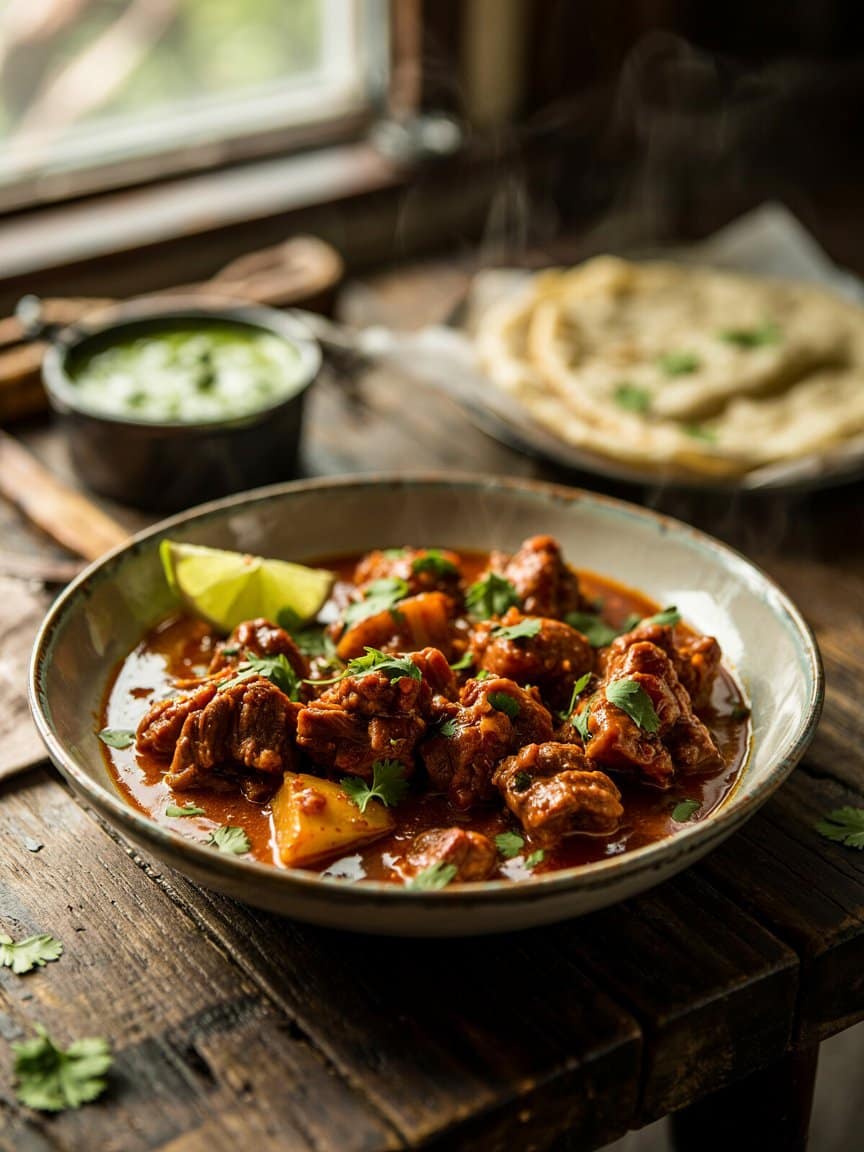
If you love bold flavours, tangy heat, and a curry that demands attention, this Beef Vindaloo Recipe is for you. I’ve cooked, tweaked, and tasted this dish over many years, and in this post I’ll walk you through every single detail — from choosing the right cut of beef and building a fragrant vindaloo spice paste, to tips for making the meat meltingly tender and variations for different heat levels and diets. Expect precise instructions, chef tricks, and serving ideas so your vindaloo finishes at the table like a star.
Why this Beef Vindaloo Recipe works
Vindaloo is famous for its punchy tang, fiery heat, and complex spice layers. This recipe balances all of that with slow-cooked beef so the meat soaks up the sauce and becomes tender. I’ve included methods for stovetop, slow cooker, and Instant Pot so you can make it whether you’ve got all day or just an hour.
A short history (so you know what you’re eating)
Vindaloo has its roots in Goa, India — a region that experienced Portuguese influence for centuries. The original Portuguese dish “carne de vinha d’alhos” (meat in wine and garlic) evolved locally into vindaloo; Indian spices, palm or cane vinegar, and local chili peppers were incorporated. The result is a dish where acidity from vinegar, heat from chilies, and warm spices work together. This modern Beef Vindaloo Recipe honors that heritage while using techniques that make it reliable for home cooks.
Ingredients (serves 4–6)
These are the amounts I use to feed 4–6 people with generous portions. Adjust the chili level to taste.
For the vindaloo paste (makes enough for this recipe)
- 8–10 dried red chilies (such as Kashmiri, Byadagi, or any medium-heat dried red chili) — remove seeds for less heat.
- 2 tablespoons coriander seeds
- 1 tablespoon cumin seeds
- 1 teaspoon black peppercorns
- 5–6 whole cloves
- 2 small cinnamon sticks (about 1½–2 inches total)
- 6–8 green cardamom pods, seeds only (or 1 teaspoon ground cardamom)
- 1 teaspoon mustard seeds (optional but traditional in some versions)
- 6–8 large garlic cloves, roughly chopped
- 1½–2 inches fresh ginger, peeled and chopped
- 3 tablespoons white or apple cider vinegar (or malt/palm vinegar if available)
- 2 tablespoons plain yogurt or 1 tablespoon tamarind paste (optional; see notes)
- 1 teaspoon turmeric powder
- 1 teaspoon sugar or jaggery (balances acid)
- 2–3 tablespoons neutral oil (vegetable, canola, or sunflower) — for grinding and frying paste
For the beef and curry
- 1.2–1.5 kg (about 2.5–3.3 lb) beef — chuck or stewing beef, cut into 1½-inch cubes
- 2–3 tablespoons oil (for browning)
- 2 medium onions, finely sliced
- 1–2 medium potatoes, peeled and cut into large chunks (optional — a Goan tradition)
- 1 tablespoon tomato paste (optional, for color and body)
- 2 cups beef stock or water (adjust as needed)
- Salt to taste (start with 1–1½ teaspoons and adjust)
- Fresh cilantro for garnish
- Juice of ½ lime (optional — for brightening at the end)
Equipment and prep notes
- Heavy-bottomed pot or Dutch oven for stovetop method
- Blender or spice mill for making the paste (a small coffee grinder for spices works well)
- Frying pan to toast spices (or you can dry-toast in the pot)
- Instant Pot/pressure cooker and slow cooker instructions are included below if you prefer those methods
Tip: Toasting spices before grinding releases essential oils and deepens flavor. Do it quickly and carefully — just until fragrant.
Step-by-step: make the vindaloo paste
A great vindaloo starts with a great paste. Making it from scratch is worth the effort.
- Prep the dried chilies: Remove stems and, if you want milder heat, shake out the seeds. Soak the chilies in hot water for 15–20 minutes to rehydrate. Reserve some soaking liquid if the blender needs thinning.
- Toast the whole spices: In a dry skillet over medium heat, add coriander seeds, cumin, black peppercorns, cloves, cinnamon, cardamom, and mustard seeds. Toast for about 1–2 minutes, stirring constantly, until they’re aromatic. Don’t burn them — remove from heat immediately.
- Grind the toasted spices: Use a spice grinder, mortar and pestle, or blender to grind the toasted spices to a fine powder.
- Blend the paste: In a blender, combine rehydrated chilies (drained), ground toasted spices, garlic, ginger, turmeric, sugar (or jaggery), vinegar, yogurt or tamarind (if using), and 2–3 tablespoons oil. Blend to a smooth paste, adding a tablespoon or two of reserved chili soaking water if needed. The paste should be thick but smooth.
Chef’s note: Vinegar is a defining trait of vindaloo. Use a good white wine vinegar, apple cider vinegar, or traditional palm/malt vinegar if you can. The yogurt/tamarind option is optional — yogurt mellows, tamarind adds a fruity sourness.
Marinating the beef
- Place the beef cubes in a bowl or a zip-top bag. Add the vindaloo paste and mix thoroughly so every piece is coated.
- Cover and refrigerate for minimum 4 hours, ideally overnight (8–24 hours) for best flavor penetration.
Why marinate? The acid and spices in the paste help tenderize and infuse flavor deep into the beef. Overnight is best if your schedule allows it.
Cooking method 1 — Stovetop (traditional, best flavor)
- Remove the beef from the fridge 30 minutes before cooking to let it lose chill.
- Heat 2–3 tablespoons oil in a large heavy-bottomed pot over medium-high heat. Brown the beef in batches to develop fond (caramelized bits) — don’t overcrowd the pan. Set browned pieces aside.
- In the same pot, add a little more oil if needed and sauté the sliced onions until soft and golden, 8–12 minutes. Scrape up browned bits once or twice.
- Return the beef to the pot, add tomato paste (if using), and pour in beef stock or water to just cover the meat. Add the optional potatoes now if using.
- Bring to a simmer, then reduce heat to low, cover partially, and simmer gently for 1½–2½ hours, stirring occasionally, until the beef is fork-tender and the sauce has reduced to a thick, glossy curry. If the sauce reduces too fast, add small amounts of water.
- Adjust salt and acidity — taste and add a squeeze of lime or more vinegar if it needs brightness. Finish with chopped cilantro.
Timing depends on beef cut and size. Chuck usually takes ~1½–2 hours; tougher cuts may take longer. Low and slow is the key.
Cooking method 2 — Instant Pot / Pressure Cooker (faster, still great)
- Brown beef using the Sauté function with oil in the Instant Pot; do it in batches and set aside. Sauté onions until translucent.
- Add beef back, add 1½–2 cups beef stock (enough to come about halfway up the meat), seal the lid, and set to high pressure for 35–45 minutes depending on cube size and cut. Let natural release for 10–15 minutes.
- Open, remove the lid, and use Saute on medium to reduce the sauce to desired thickness. Add potatoes after pressure cooking and simmer 8–10 minutes until they’re tender if you want them cooked separately to avoid overcooking.
Note: Instant Pot times vary — 35 minutes is a good starting point for chuck; increase if needed.
Cooking method 3 — Slow cooker (hands-off, great for set-and-forget)
- After marinating and browning (browning step optional but recommended), transfer beef and paste to a slow cooker. Add onions, potatoes, and 1–2 cups stock.
- Cook on LOW for 6–8 hours or HIGH for 3–4 hours until beef is tender. Finish by reducing sauce on the stovetop if it’s too watery.
Final finishing touches
- Check seasoning: add more salt, a pinch of sugar to balance, or a squeeze of lime for brightness.
- If you prefer a thicker sauce, simmer uncovered until it reduces. For a silkier sauce, swirl in a tablespoon of ghee or butter at the end.
- Garnish with fresh cilantro and thinly sliced red onion if you like crunch.
Tips and chef tricks
- Choose the right cut: Chuck is ideal — it has connective tissue that breaks down into gelatin, delivering rich mouthfeel. Avoid lean cuts like sirloin if you want that melting texture.
- Don’t skip browning: Browning creates fond and deep flavor. It’s worth the extra pans and time.
- Balance vinegar and heat: Vindaloo is tangy and hot; but if you find the vinegar dominates, add a little sugar or caramelized onion to soften it. If not spicy enough, add chili flakes or a pinch of cayenne.
- Potatoes? Traditional Goan vindaloo often includes potatoes (a Portuguese holdover). They soak up the sauce and make the dish more substantial. Add them during the braise so they finish tender but not disintegrated.
- Make-ahead advantage: Vindaloo often tastes better the next day when flavors have melded. Reheat gently on low with a splash of water or stock.
- To reduce bitterness from chilies: Use Kashmiri chilies for color without blistering heat, or remove seeds. Toasting chilies briefly brings out a smoky dimension.
- Swap the vinegar: If you don’t like strong vinegar notes, use apple cider vinegar diluted slightly with water, or add the vinegar later in the cooking so it’s less baked-in and more aromatic.
Variations
Milder Beef Vindaloo Recipe (for sensitive palates)
- Reduce the dried chilies to 3–4 and remove all seeds. Use milder ones like Byadagi or add more coriander/cumin to bulk spice flavour without heat. Increase yogurt in the paste to mellow.
Authentic-Goan style
- Use palm or malt vinegar if available. Include mustard seeds and cook using a mixture of red chilies for heat and Kashmiri for color. Include potatoes.
Pressure-cooker express
- Use the Instant Pot method above to cut time dramatically without sacrificing tenderness.
Smoky Beef Vindaloo (chef-level twist)
- After browning, add a small piece of charred bell pepper or smoked paprika (½ teaspoon) to the paste. A quick smoking step (hot smoking the finished curry briefly) can create a pleasing barbecue edge.
Vegetarian “Beef” Vindaloo (plant-based)
- Replace beef with firm tofu, seitan, or thick-cut jackfruit. Reduce cooking time drastically and gently simmer to avoid breaking the substitute. Use vegetable stock.
Serving suggestions and pairings
Vindaloo is bold, so keep the accompaniments simple to let the curry shine.
- Rice: Steamed basmati rice or jeera (cumin) rice. The rice absorbs the sauce and hones the heat.
- Bread: Naan, roti, or a crusty baguette (a traditional Portuguese touch) to mop up sauce.
- Cooling side: A cucumber raita (yogurt with cucumber and a pinch of cumin) or simple yogurt with chopped cilantro can temper heat between bites.
- Vegetables: Roasted cauliflower, sautéed greens, or a simple salad provide texture contrast.
- Drinks: A crisp lager, a slightly sweet Riesling, or an off-dry Gewürztraminer pairs well with vindaloo’s heat and acidity. Non-alcoholic: mango lassi or salted lime soda.
Storage, reheating, and freezing
- Refrigerator: Store in an airtight container for up to 4 days. The flavours deepen but the vinegar may intensify — add a splash of stock when reheating.
- Freezer: Freezes well for up to 3 months. Cool completely and freeze in portioned containers. Thaw overnight in the fridge and gently reheat.
- Reheating: Reheat slowly on low in a covered pot with a splash of stock or water to loosen the sauce. Avoid microwaving at high power for long — it can dry out the meat.
Common mistakes and how to avoid them
- Too acidic: If you added too much vinegar, simmer with a peeled, halved potato or a small slice of apple to absorb excess acidity, or add a touch of sugar.
- Under cooked beef: If meat is still tough, continue to simmer gently — patience pays. A pressure cooker speeds up this step.
- Watery sauce: Uncover and simmer to reduce, or skim off excess liquid and simmer until a coating sauce is achieved.
- Flat spice profile: Make sure to toast and grind fresh spices and don’t skip the marinating step. Fresh garlic and ginger matter.
Frequently asked questions (FAQ)
Q: Can I use ground spices instead of toasting whole ones?
A: Yes, but whole spices toasted and freshly ground will give you a brighter, more complex flavour. Pre-ground spices are convenient but can be less aromatic.
Q: How spicy is vindaloo?
A: It’s traditionally quite spicy, but you control the heat by choosing chili type and amount, and by removing seeds. This Beef Vindaloo Recipe can be adjusted from mild to very hot.
Q: Can I substitute lamb or pork?
A: Absolutely. Pork is actually a common choice in many Goan vindaloos and works beautifully. Adjust cooking times: pork shoulder behaves similarly to beef chuck, lamb shoulder will be great too.
Q: What vinegar should I use?
A: Apple cider, white wine, or malt/palm vinegar are all good. The key is acidity; choose a vinegar you enjoy sipping a teaspoon of — it will influence the final dish.
Quick printable recipe (concise)
(If you’d like to print from this post, here’s the short, cook-from version.)
Ingredients — paste + beef as listed earlier. Marinate beef in paste overnight. Brown beef, saute onions, add beef and stock, simmer low for 1½–2½ hours or pressure cook 35–45 minutes. Add potatoes if desired. Reduce, finish with salt, lime, cilantro. Serve with rice.
Final thoughts
This Beef Vindaloo Recipe is one of those dishes that rewards patience and thoughtful seasoning. Make the paste from scratch, let the beef marinate, and give it time to cook low and slow — the payoff is layers of flavour, a lush sauce, and meat that practically falls apart. Whether you’re cooking it for a cozy family dinner, a weekend dinner party, or batch-cooking for the week, this vindaloo adapts well and only gets better with time.
If you try this recipe, tweak the heat and acidity to suit your palate, and don’t be afraid to experiment with potatoes, different vinegars, or a smoky twist. Come back and tell me how it turned out — I’d love to hear what changes you made!

Beef Vindaloo Recipe
Ingredients
For the vindaloo paste:
- 8 –10 dried red chilies Kashmiri/Byadagi recommended — stems removed, seeds optional
- 2 tbsp coriander seeds
- 1 tbsp cumin seeds
- 1 tsp black peppercorns
- 5 –6 whole cloves
- 2 small cinnamon sticks broken
- Seeds from 6–8 green cardamom pods or 1 tsp ground cardamom
- 1 tsp mustard seeds optional
- 6 –8 garlic cloves roughly chopped
- 1½ –2 inches fresh ginger peeled & chopped
- 3 tbsp white or apple cider vinegar or palm/malt vinegar
- 2 –3 tbsp neutral oil vegetable/canola
- 1 tsp turmeric powder
- 1 tsp sugar or grated jaggery
- 2 tbsp plain yogurt or 1 tbsp tamarind paste optional — yogurt mellows, tamarind adds fruity sourness
For the curry:
- 1.2 –1.5 kg 2.5–3.3 lb beef chuck or stewing beef, cut into 1–1½ inch cubes
- 2 –3 tbsp oil for browning
- 2 medium onions thinly sliced
- 1 –2 medium potatoes peeled & cut into large chunks (optional)
- 1 tbsp tomato paste optional
- 2 cups beef stock or water adjust as needed
- Salt to taste
- Fresh cilantro chopped, for garnish
- Juice of ½ lime optional, to finish
Instructions
- Rehydrate chilies & toast spices: Remove chili stems and soak chilies in hot water 15–20 min. In a dry skillet over medium heat toast coriander, cumin, peppercorns, cloves, cinnamon, cardamom and mustard seeds for 1–2 min until fragrant. Cool slightly.
- Grind spices & make paste: Grind the toasted whole spices to a fine powder. In a blender combine rehydrated chilies (drained), ground spices, garlic, ginger, turmeric, sugar, vinegar, yogurt/tamarind (if using) and 2–3 tbsp oil. Blend to a smooth, thick paste — add a tablespoon of reserved chili soaking water if needed.
- Marinate beef: Place beef cubes in a bowl or zip bag. Add the vindaloo paste and mix thoroughly so all pieces are coated. Refrigerate at least 4 hours — ideally overnight (8–24 hours) for best flavour penetration.
- Brown the beef: Remove beef from fridge 30 min before cooking. Heat 2–3 tbsp oil in a heavy pot/Dutch oven over medium-high heat. Brown beef in batches (do not overcrowd). Set browned beef aside.
- Saute the onions: In the same pot, add a touch more oil if needed and saute sliced onions until deep golden, 8–12 minutes, scraping up browned bits.
- Assemble & simmer (stovetop): Return beef to pot, stir in tomato paste (if using). Add stock or water to just cover meat and add potatoes if using. Bring to a simmer, then lower heat to gentle simmer, partially cover and cook 1½–2½ hours until beef is fork-tender and sauce is reduced and glossy. Stir occasionally.
- Instant Pot alternative: Brown beef using Saute, saute onions, add beef and 1½–2 cups stock, seal and pressure cook on high 35–45 minutes (natural release 10–15 minutes). Reduce sauce using Saute mode if needed. Add potatoes after pressure cooking and simmer until tender.
- Slow cooker alternative: After browning, transfer beef and paste to slow cooker with onions, potatoes and 1–2 cups stock. Cook on LOW 6–8 hours or HIGH 3–4 hours. Reduce sauce on stovetop if too thin.
- Finish & season: Taste and adjust salt, add a pinch of sugar if the vinegar is too sharp, or a squeeze of lime to brighten. Swirl in 1 tbsp ghee or butter for extra silkiness (optional). Garnish with chopped cilantro and serve hot.
Notes
- Marinating: Overnight marination yields the best depth of flavour; minimum 4 hours if short on time.
- Heat control: Remove chili seeds or reduce the number of dried chilies to lower heat. Kashmiri chilies add color with moderate heat.
- Vinegar choice: Apple cider or white wine vinegar works well; palm or malt vinegar is traditional in Goa and gives authentic tang.
- Browning: Don’t skip browning the beef — it creates fond that deepens the sauce. Brown in batches and deglaze the pot while sautéing onions.
- Potatoes: Optional but traditional in many Goan recipes. Add early while braising so they soak up flavours.
- Make-ahead & storage: Tastes better the next day. Refrigerate in airtight containers up to 4 days. Freeze up to 3 months (cool fully before freezing). Reheat gently with a splash of stock.
- Balancing acidity: If the curry is too vinegary, simmer briefly with a peeled halved potato or add a small pinch of sugar to balance.
- Vegetarian swap: Use jack fruit, seitan, or firm tofu; shorten cooking to avoid overcooking the substitute.