
Beef Tenderloin Roast Recipe
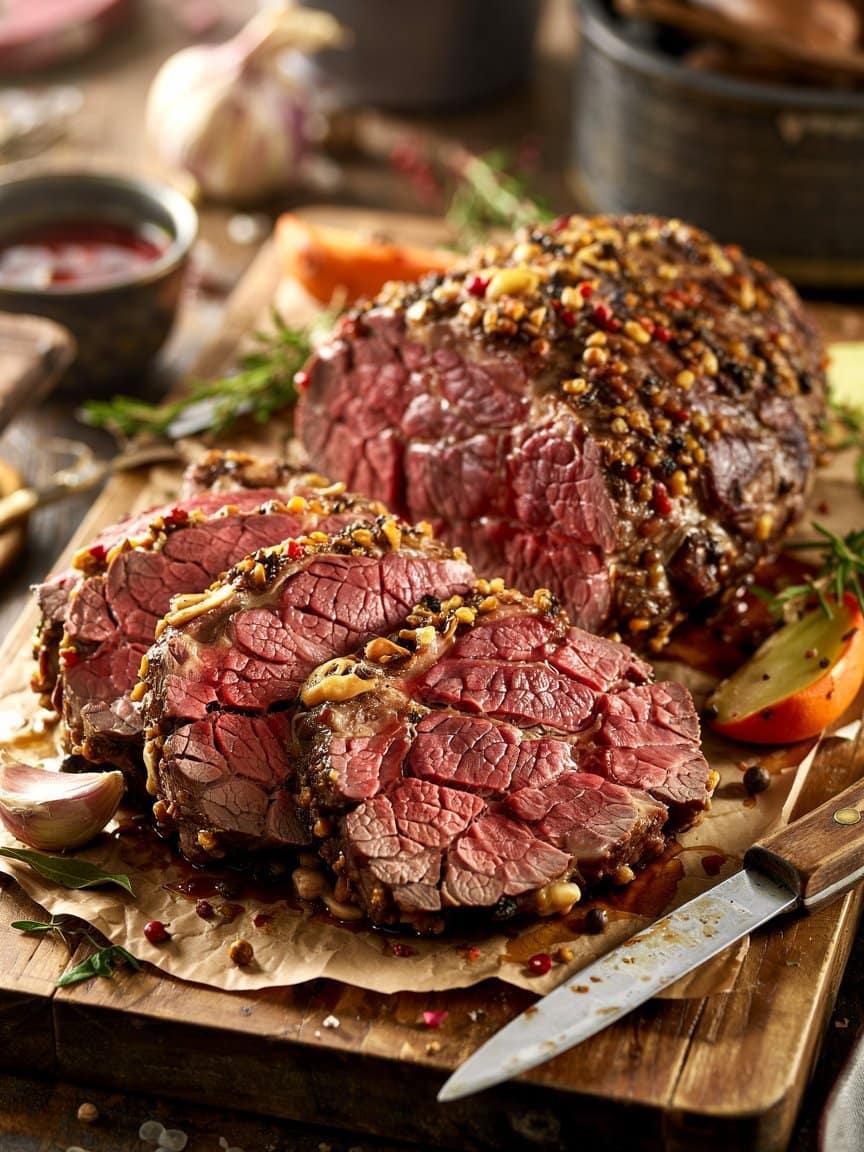
If there is one dish that reliably turns a dinner into an occasion, it is a Beef Tenderloin Roast Recipe done well. Tenderloin is prized for a reason: it is elegant, naturally tender, and incredibly satisfying when cooked with care. Yet despite its reputation, it does not need to be intimidating. With the right seasoning, a hot oven, and a little confidence, you can make a roast that slices beautifully, tastes rich and savory, and feels restaurant-worthy at the table.
This guide is built to help you make a truly memorable beef tenderloin roast at home. I will walk you through everything: how to choose the meat, how to season it, how to roast it correctly, how to rest and carve it, and how to serve it in a way that feels polished without being fussy. Whether you are planning a holiday meal, a special family dinner, or simply want to master a classic centerpiece roast, this Beef Tenderloin Roast Recipe will give you all the detail you need.
Why Beef Tenderloin Is Such a Special Cut
Beef tenderloin comes from the loin area of the cow, a muscle that does very little work. That is why it is so tender. Unlike tougher cuts that benefit from braising or long cooking, tenderloin shines when cooked quickly and carefully to a medium-rare or medium finish.
What makes it especially appealing is its texture. A well-cooked tenderloin is buttery-soft with a mild, clean beef flavour. Because the flavour is subtle compared with cuts like ribeye or strip steak, it pairs beautifully with bold seasonings, herb crusts, pan sauces, compound butter, and classic sides.
That is part of the magic of a great Beef Tenderloin Roast Recipe: it gives you a luxurious main course that can be customised in many different directions while still keeping the same elegant foundation.
What You Need to Make This Roast
A successful roast starts with quality ingredients. You do not need a long ingredient list, but each component matters.
You will need beef tenderloin, preferably a center-cut roast if possible. This is the most even part of the tenderloin, which helps it cook uniformly. Trimmed tenderloin is ideal, though some butchery skill may be needed if you buy an untrimmed piece.
For seasoning, keep it simple and focused. A combination of kosher salt, freshly ground black pepper, olive oil or softened butter, garlic, and fresh herbs such as rosemary and thyme works beautifully. Dijon mustard is also a wonderful addition if you want a sharper, more savory crust.
A basic version of this Beef Tenderloin Roast Recipe might include:
- Beef tenderloin roast
- Kosher salt
- Freshly ground black pepper
- Olive oil or softened butter
- Garlic
- Fresh rosemary
- Fresh thyme
- Dijon mustard, optional
- A little neutral oil for searing, optional
You can also add a touch of onion powder or smoked paprika if you want a slightly deeper seasoning profile, but this is one recipe where restraint often works best.
How to Choose the Best Beef Tenderloin
Buying the right cut makes a big difference. When shopping, look for a tenderloin that is evenly thick, bright in color, and well-trimmed. If you see a roast labeled “center-cut,” that is often the best choice for even cooking and attractive presentation.
If your tenderloin is not fully trimmed, that is not a problem. You may see silvery connective tissue called the silver skin or thicker exterior fat. These can be removed or trimmed down. A butcher can often do this for you, which is helpful if you want to save time.
Another thing to consider is whether to buy a whole tenderloin or a smaller roast. A whole tenderloin can feed a crowd, but a center-cut roast around 2 to 4 pounds is easier to handle for a home kitchen and still creates a stunning centerpiece.
Freshness matters too. Choose meat that looks firm and moist, not wet or gray. If possible, buy it from a trusted butcher or grocery store meat counter where you can ask for trimming advice.
Preparing the Roast
Preparation is where good results become great results. Start by bringing the beef closer to room temperature before roasting. This helps it cook more evenly, though it does not need to sit out for a long time. About 30 to 45 minutes is usually enough.
Pat the roast dry with paper towels. This step is small but important because a dry surface helps the seasoning stick and encourages browning.
Then season generously. Beef tenderloin is mild, so it benefits from bold seasoning. Salt should be applied evenly all over the roast. Add black pepper, minced garlic, and chopped herbs. You can rub the beef with olive oil, softened butter, or a mixture of both to help the seasoning adhere and support browning.
If using Dijon mustard, spread a thin layer over the roast before adding herbs and pepper. It will not make the roast taste strongly like mustard; instead, it adds depth and a subtle tang that pairs beautifully with beef.
For a more refined presentation, you can tie the roast with butcher’s twine if it is uneven in shape. This helps it cook more uniformly and hold a nice round form.
The Best Cooking Method
There are several ways to cook tenderloin, but the most reliable approach for a home cook is to roast it at a moderate-high oven temperature after optionally searing the outside. This gives you a flavourful crust and a tender interior.
A common method is to roast the beef in a hot oven, around 400°F to 425°F, until it reaches the desired internal temperature. If you want additional browning, you can sear it first in a hot skillet or use the oven’s high heat at the beginning, then lower it after a short time.
This Beef Tenderloin Roast Recipe works especially well with a probe thermometer or instant-read thermometer. Tenderloin is too expensive and too delicate to guess at. Temperature is everything.
For medium-rare, aim for around 125°F to 130°F before resting. The temperature will rise a bit as the roast rests. For medium, aim closer to 135°F before resting. Because overcooking can make tenderloin less luxurious, it is wise to pull it from the oven a little early rather than too late.
Step-by-Step Roast Method
Here is the method I recommend for the most dependable result.
First, preheat your oven. If you are searing in a skillet first, make sure your pan is very hot before the beef goes in. If you are not searing separately, a hot oven will do most of the work for you.
Next, season the beef thoroughly. Massage the garlic, herbs, salt, pepper, and oil or butter all over the surface. Let the seasoned roast sit briefly while the oven finishes heating.
If searing, place the roast in a hot skillet and brown it on all sides until it develops a rich crust. This step adds flavour and color, making the finished roast more attractive and aromatic.
Transfer the roast to a rack set in a roasting pan, or place it on a sheet pan lined with a rack if that is what you have. The rack helps hot air circulate around the meat so it cooks evenly.
Roast the beef until it reaches your target internal temperature. Check the thickest part of the meat with a thermometer. Avoid checking too often, because repeated poking lets heat escape.
Once it is done, remove the roast from the oven and let it rest on a cutting board loosely covered with foil. Resting is not optional. It allows the juices to redistribute so the meat stays moist and slices cleanly.
After resting, remove the twine if used, carve the roast into thick or thin slices depending on your preference, and serve immediately.
Why Resting Matters So Much
Resting is one of the most overlooked parts of cooking roast beef, but it is essential. When meat comes out of a hot oven, the juices are still moving. If you cut too soon, they spill out onto the board instead of staying inside the slices.
A resting period of about 15 to 20 minutes is usually perfect for a tenderloin roast. This gives the internal temperature time to settle and helps the meat relax. The result is a juicier, more elegant slice.
This is one of the quiet secrets behind a great Beef Tenderloin Roast Recipe. The ingredients matter, but patience matters just as much.
How to Carve Beef Tenderloin
Carving tenderloin is simple, but a sharp knife is important. Use a long slicing knife or chef’s knife and cut the roast against the grain into even slices.
Because tenderloin is naturally lean and delicate, thick slices often look beautiful on a serving platter. Thin slices are also lovely if you are serving a larger group and want more servings per roast.
If you removed any twine, do that before carving. Then arrange the slices on a warm platter and spoon over any resting juices or pan sauce.
For presentation, garnish with fresh rosemary sprigs, thyme, or a few roasted garlic cloves. Keep the look clean and classic. Beef tenderloin is naturally impressive, so it does not need much decoration.
Flavour Variations to Try
One of the best things about this Beef Tenderloin Roast Recipe is how adaptable it is. The base recipe is elegant and simple, but you can change the flavour profile without changing the cooking method.
For a more classic French-inspired version, rub the roast with Dijon mustard, garlic, thyme, and butter, then finish it with a simple red wine pan sauce.
For a more herb-forward roast, use a mixture of parsley, rosemary, thyme, and sage. This creates a fragrant crust that feels especially festive.
For a peppery version, increase the black pepper and add crushed coriander seed. The result has a bold, aromatic edge that works beautifully with creamy side dishes.
For a richer finish, top the sliced roast with compound butter made from softened butter, minced garlic, herbs, lemon zest, and a pinch of salt. As it melts over the hot beef, it creates an indulgent sauce without any extra work.
You could also serve the roast with horseradish cream or a mushroom sauce if you want a more traditional steakhouse feel.
Best Side Dishes for Beef Tenderloin Roast
Because tenderloin has such a refined texture, it pairs well with sides that are comforting, creamy, and savory. The goal is to complement the roast without overpowering it.
Classic mashed potatoes are always a good choice. Their creaminess balances the lean richness of the beef. Roasted potatoes or crispy smashed potatoes are also excellent if you want more texture.
Vegetables are just as important. Roasted carrots, green beans, asparagus, Brussels sprouts, and glazed baby onions all work beautifully. Their sweetness and brightness bring balance to the plate.
For something a little more elegant, consider creamy polenta, wild rice pilaf, or a gratin made with potatoes or cauliflower. These sides make the meal feel special and complete.
A crisp green salad can also be lovely, especially if the roast is part of a larger holiday spread. Choose something lightly dressed so the plate stays balanced.
Sauce Ideas That Elevate the Roast
A good sauce can make the entire meal feel more polished. While beef tenderloin is delicious on its own, sauce adds moisture and extra depth.
A red wine reduction is one of the most classic choices. It is made by simmering wine with shallots, beef stock, and herbs until rich and glossy.
A mushroom cream sauce adds earthiness and warmth. This is especially nice if you love steakhouse flavours.
A simple pan jus can be made from the drippings left after roasting, along with a little stock and butter. This is one of the easiest ways to add richness without masking the flavor of the beef.
For a cooler contrast, horseradish cream is a timeless pairing. The sharpness of horseradish balances the richness of the meat and brings a clean, lively finish.
Tips for Success
A great roast is easier than many people think, but a few simple habits will make a big difference.
Do not skip the thermometer. Tenderloin goes from perfect to overdone quickly, and temperature is the best guide.
Do not over-season with heavy spice blends. Beef tenderloin is delicate, and the goal is to support the meat, not bury it.
Do not cut into the roast too early. Resting is essential for good texture.
Do not overcrowd the roast in the pan. Heat needs space to circulate for even cooking.
If the roast has uneven thickness, consider tying it so it cooks more evenly. This is especially useful with larger whole tenderloins.
And finally, always taste your seasoning plan before cooking if possible. A simple sample of your herb mixture can tell you whether you need more salt, more pepper, or a touch more garlic.
Common Mistakes to Avoid
Even experienced home cooks can make a few simple mistakes with tenderloin.
One common mistake is roasting it too long. Because it is so lean, tenderloin can dry out if taken too far past medium.
Another mistake is under-seasoning. Since the cut is mild, it needs a confident hand with salt and aromatics.
Skipping the rest period is another issue. This can leave the meat less juicy and harder to carve neatly.
Some cooks also forget to bring the beef closer to room temperature before roasting, which can lead to uneven cooking.
Avoid those issues, and this Beef Tenderloin Roast Recipe becomes very manageable and rewarding.
How to Store and Reheat Leftovers
If you are lucky enough to have leftovers, they can be wonderful the next day.
Store sliced beef tenderloin in an airtight container in the refrigerator. It will keep for a few days, though it is best enjoyed sooner rather than later.
To reheat, do so gently. The best method is low heat in the oven with a little broth or pan juices to help keep the slices moist. You can also warm slices briefly in a skillet over low heat.
Leftover tenderloin is excellent in sandwiches, wraps, salads, or grain bowls. It can also be added to eggs, served over toast, or tucked into a simple pasta with mushrooms and herbs.
Make-Ahead Ideas for Easier Entertaining
This roast is a fantastic choice for entertaining because much of the prep can be done ahead.
You can season the beef a few hours in advance and keep it chilled until roasting time. In fact, a short dry brine with salt can improve flavour and texture.
You can also make your sauce or side dishes ahead of time, which reduces stress on the day of serving.
If you are serving guests, having the roast ready to rest while the sides finish heating is a smart way to keep everything warm and organized.
That is one reason the Beef Tenderloin Roast Recipe remains such a holiday favourite: it looks impressive, but it can be managed calmly with a little planning.
When to Serve Beef Tenderloin Roast
This roast is ideal for celebrations, but it is not limited to holidays. It works beautifully for Christmas, New Year’s Eve, Easter, anniversaries, birthdays, dinner parties, and special Sunday dinners.
It is also a great choice when you want to make a meal feel thoughtful and elevated without preparing something overly complicated. Beef tenderloin signals care, and that makes it a lovely dish for gathering people around the table.
Final Thoughts
A great beef tenderloin roast is all about balance: quality ingredients, simple seasoning, careful roasting, and proper resting. When those parts come together, the result is a roast that feels luxurious, elegant, and deeply satisfying.
This Beef Tenderloin Roast Recipe is designed to help you cook with confidence. It gives you the framework for a classic roast, but it also leaves room for your own style, whether that means a peppery herb crust, a mustard glaze, or a rich pan sauce. The beauty of tenderloin is that it does not need much to shine.
Beef Tenderloin Roast Recipe
Ingredients
- 2 –3 lbs beef tenderloin center-cut, trimmed and tied
- 2 tablespoons olive oil or softened butter
- 4 cloves garlic minced or sliced
- 1 ½ teaspoons kosher salt
- 1 teaspoon freshly ground black pepper
- 1 tablespoon Dijon mustard optional
- 1 tablespoon fresh rosemary finely chopped
- 1 tablespoon fresh thyme leaves
- 1 teaspoon onion powder optional
Instructions
Step 1: Prepare the Beef
- Remove the beef tenderloin from the refrigerator and let it sit at room temperature for 30–45 minutes. Pat it dry with paper towels to ensure proper browning.
Step 2: Season the Roast
- Rub the tenderloin with olive oil or butter. Spread Dijon mustard (if using) evenly over the surface. Coat with garlic, salt, pepper, rosemary, thyme, and optional onion powder.
Step 3: Preheat the Oven
- Preheat your oven to 425°F (220°C). This high heat helps create a flavourful crust while keeping the inside juicy.
Step 4: Sear the Meat (Optional but Recommended)
- Heat a skillet over high heat with a little oil. Sear the tenderloin on all sides until browned (about 2–3 minutes per side). This step enhances flavour and texture.
Step 5: Roast the Tenderloin
- Place the beef on a rack in a roasting pan. Roast in the oven for 25–40 minutes, depending on size and desired doneness.
- Medium-rare: remove at 125°F (will rise to ~130°F)
- Medium: remove at 135°F
Step 6: Rest the Meat
- Remove from oven and loosely tent with foil. Let it rest for 15–20 minutes to allow juices to redistribute.
Step 7: Slice and Serve
- Cut into thick slices against the grain. Serve immediately with your favourite sides or sauce.
Notes
- Use a thermometer: Essential for perfect doneness since tenderloin cooks quickly.
- Don’t skip resting: This keeps the meat juicy and tender.
- Make ahead: Season the beef a few hours earlier for deeper flavour.
- Storage: Refrigerate leftovers in an airtight container for up to 3 days.
- Reheating: Warm gently in a low oven (around 250°F) with a bit of broth to prevent drying.
- Variations:
Add a red wine sauce or mushroom cream sauce for extra richness
Use a peppercorn crust for a bold flavour
Top with herb butter before serving